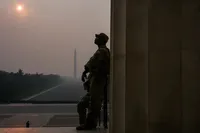
After the regional war with Iran, the shortage of ammunition has created a huge gap in US deterrence.
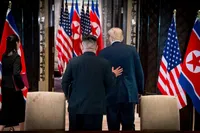
Donald Trump’s sudden decision to scale back joint military exercises with Seoul has revived Washington’s pattern of unilateral withdrawals since the 2019 Hanoi summit.
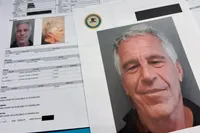
Seven years after Jeffrey Epstein committed suicide in his Manhattan cell, the revelation of his trove of private documents has shown that the corrupt identity of America's powerful elite has not only not gone out of the spotlight but has come under more scrutiny than ever.
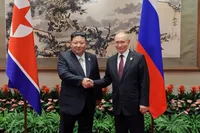
In a message to the Russian President, the North Korean leader emphasized the deepening and comprehensive expansion of strategic cooperation between Pyongyang and Moscow.
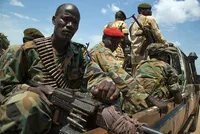
The Sudanese Shield Forces have strengthened their military presence in neighboring Ethiopia by deploying equipment and reinforcements to the Fashqa region.
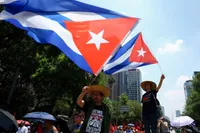
Washington's sanctions have caused the targeted countries, instead of isolation, to move towards creating parallel financial mechanisms, de-dollarization, payments in national currencies, and the development of payment systems independent of SWIFT.
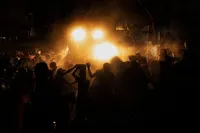
At least 134 people have died, and hundreds more have been injured after a powerful 7.4-magnitude earthquake struck off the west coast of Colombia.
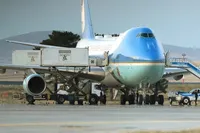
The revelation of details of Donald Trump's secret escape from the Ankara summit in an airport catering truck and a diverted plane, fearing Iranian retaliation, has revealed unprecedented levels of panic and security chaos in the White House.
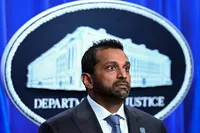
Kash Patel's trip to Moscow goes beyond the usual meetings between heads of security agencies, and the FBI director is trying to obtain information that will help Trump.
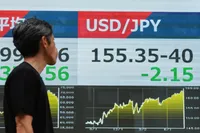
The United States intervened in an unprecedented move, spending $10 billion to stabilize the Japanese currency market and prevent the yen from falling further.