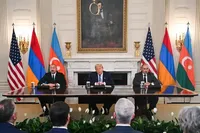
After the US failed to achieve its goals in the regional war with Iran, Tehran will not allow the Trump Corridor to be implemented on its northern borders.
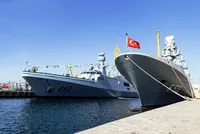
Developments in field sources show that Turkey and Israel are one step closer to a direct military conflict.

While China has become the largest buyer of Iranian crude oil over the past two decades and a significant part of the country's foreign exchange earnings comes from Chinese refineries, the UAE has also played an important role in protecting the columns of the Iranian economy against US sanctions.

The Kepler company announced that ship movement in the Strait of Hormuz had completely stopped yesterday.
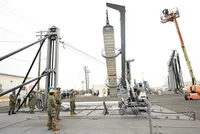
The TRAM naval missile redeployment system, named after the criminal US president, failed to help the US terrorist army in the regional war against Iran.

Fox News' coverage of Iran's regional war has been particularly aggressive and, in many ways, out of touch with reality, presenting its viewers with a grossly distorted picture.
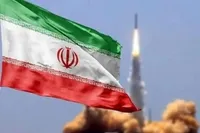
The Defense Institute wrote in a report that Iran has effectively pushed the US army away from the Persian Gulf.

Despite being angry at Zelensky's cowardly behavior and having the option of attacking Ukrainian ports on the table, Iran did not take this action because it did not want to play into the Kyiv regime's hands and present itself as a direct and actual threat to European security.
A significant portion of the US interceptor missile stockpile has been consumed in the regional war with Iran and will take years to rebuild.
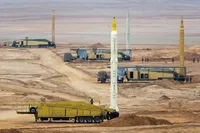
CNN reported that Donald Trump, following a serious warning from the first vice president and commander of the US terrorist army that the Pentagon's strategic ammunition was running out, abandoned the illusion of a major attack on the holy land of Iran and resumed the path of a ceasefire.