
Trump and Xi’s Chess Pieces in the Forbidden City
TEHRAN (Defapress) - The US president is scheduled to travel to Beijing on Wednesday and meet with Chinese leader Xi Jinping. Although the trip was highly anticipated, the delay caused by the US attack on Iran and its shortening to just 48 hours has made it one of the most sensitive diplomatic meetings in recent years. This is the first visit by a US president to China in nearly a decade and comes at a time when relations between the world’s two superpowers are more complicated and tense than ever.
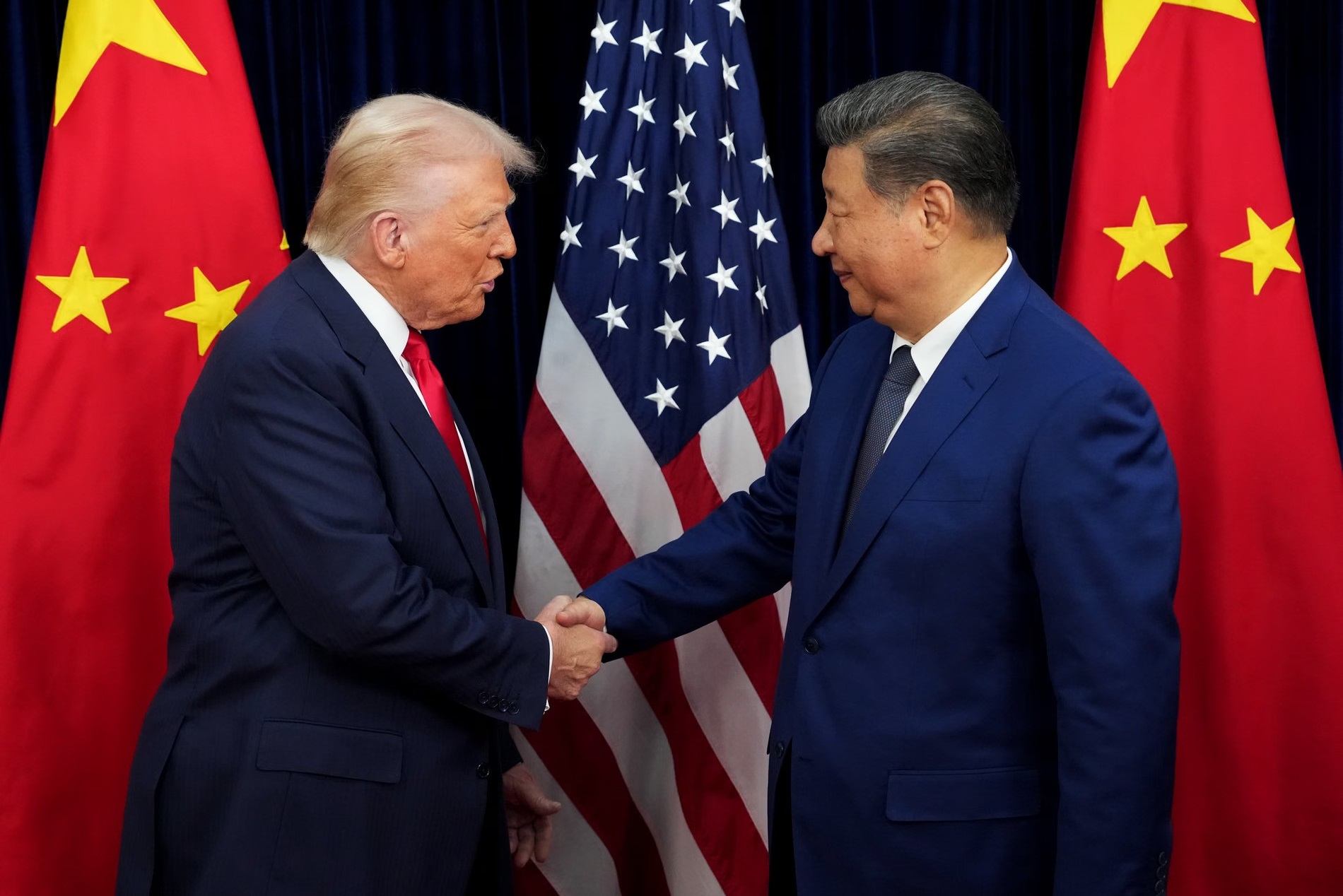
Trump’s trip comes as Washington has recently experienced one of its most serious strategic challenges in facing the Iranian armed forces. Susan Maloney, a senior fellow at the Brookings Institution, described the meeting as a critical moment in which the president of a world superpower faces his main rival after a “catastrophic strategic failure.” The meeting is not only a symbol of the changing balance of global power, but also a practical test of the “America First” policy in the face of today’s multipolar world.
Subject one: Extending the Temporary Trade Truce
The main axis of the negotiations is an attempt to consolidate the “temporary trade truce” established in Busan, South Korea. Trump, who sought to bring the Chinese economy to its knees with 145% tariffs, faced a harsh reality: global supply chains are not easily broken.
The Trump administration will bring executives from companies such as Nvidia, Apple, Exxon, Boeing, and Citigroup with him to Beijing to achieve tangible results before the midterm elections. China is also seeking to extend the trade ceasefire, maintain access to American technology, and ease export restrictions.
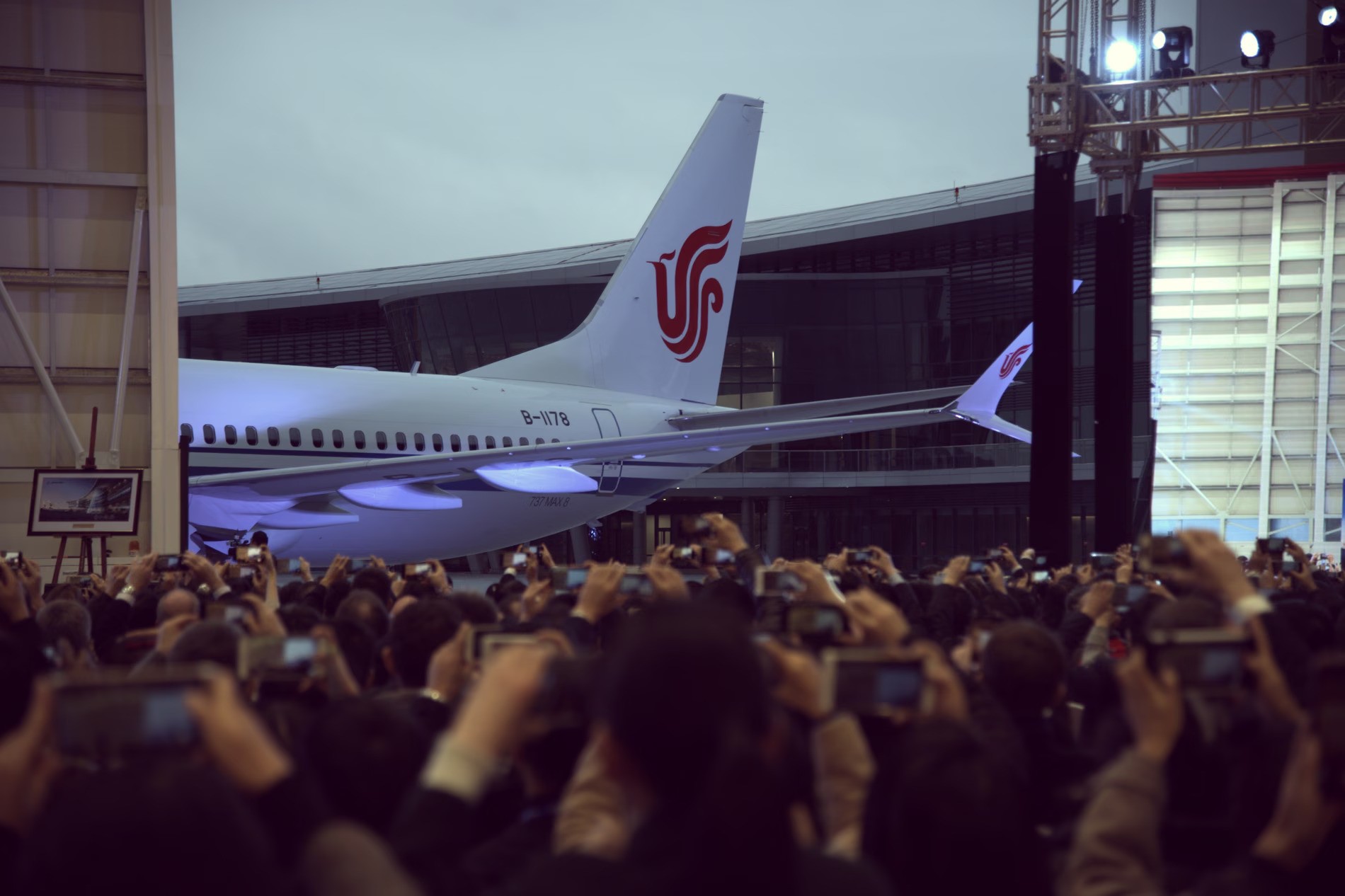
In return, the East Asian giant may offer major investments in the American economy. A possible order for 500 Boeing 737 Max jets plus wide-body aircraft, an annual purchase of 25 million tons of soybeans for three years, and increased imports of meat, poultry, coal, and natural gas from the United States are among the expected achievements.
China also has the “rare mineral elements” card on the table. China’s recent export restrictions have brought American military and technology factories to their knees. Beijing is ready to guarantee America’s access to these vital materials (with the condition of no military use, of course) in exchange for lifting export restrictions on chips and advanced technologies.
Subject Two: America Seeks an Eastern Savior
The paradoxical aspect of this trip is Trump’s request for Xi’s help in resolving the Iran crisis. The war that Washington itself ignited has now become a threat to China’s economic stability (as the region’s largest oil buyer) and its relations with the Persian Gulf countries.
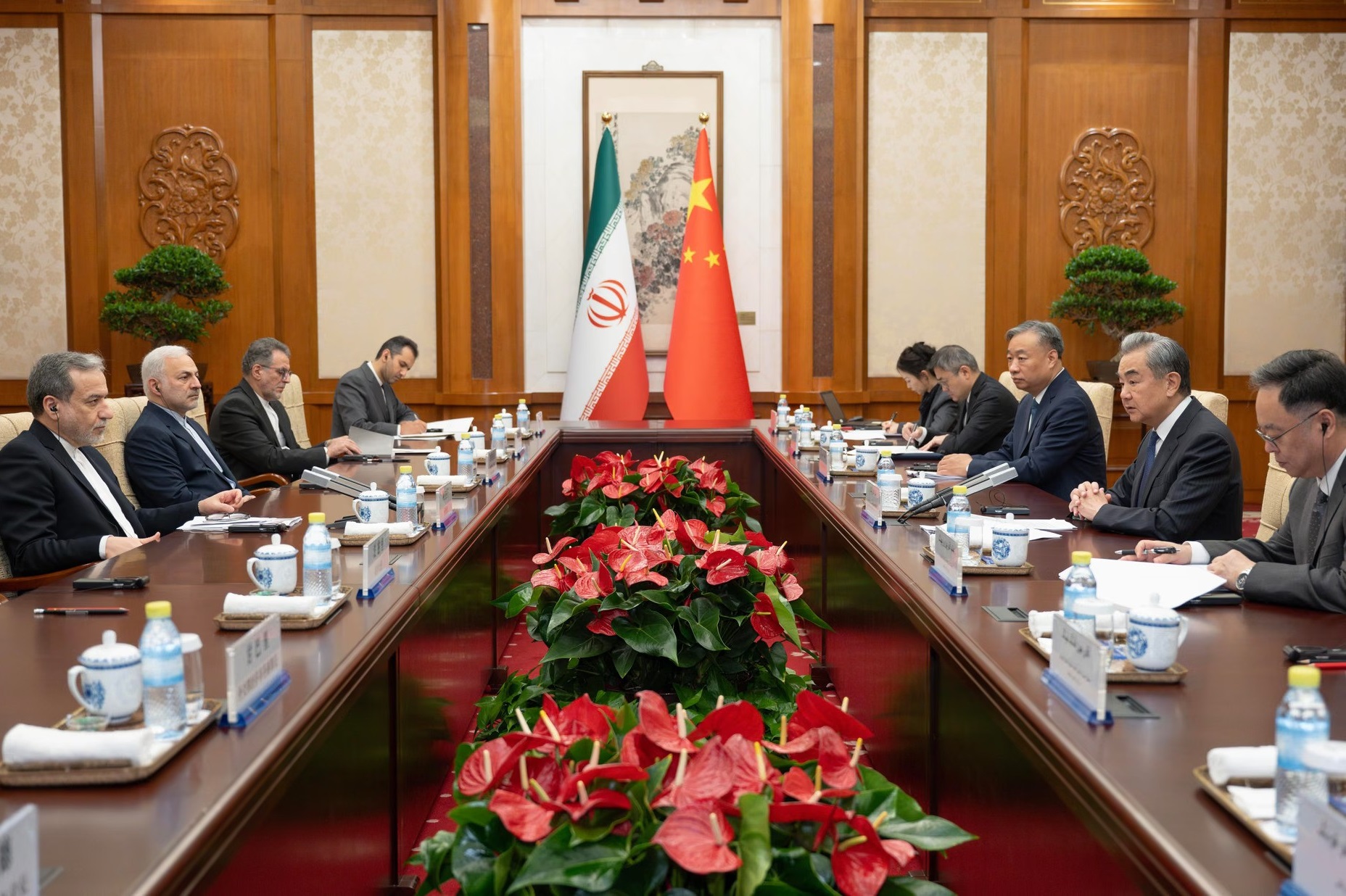
The US Treasury Department has explicitly called on China to take a more active role in this diplomatic path. However, experts emphasize that China cannot “control” Iran. Dali Yang, a professor at the University of Chicago, describes Sino-Iranian relations as “sensitive and delicate.” Wang Wen of Renmin University also believes that Beijing does not have the absolute power to dictate to Iran regarding the Strait of Hormuz crisis.
Subject Three: Taiwan, Beijing’s Red Line
For Xi Jinping, no issue is more important than Taiwan. Chinese Foreign Minister Wang Yi has called it the biggest red line in bilateral relations. Beijing considers the self-governing island of 23 million people part of its territory and is willing to resort to force to establish this theory.
Trump, in a noticeable turn of events as he warmed up to Xi, has described Taiwan not as a democratic partner but as an “economic competitor” in the semiconductor industry. Washington’s suspension of an $11 billion arms deal just before his trip to Beijing also smacks of a big deal.
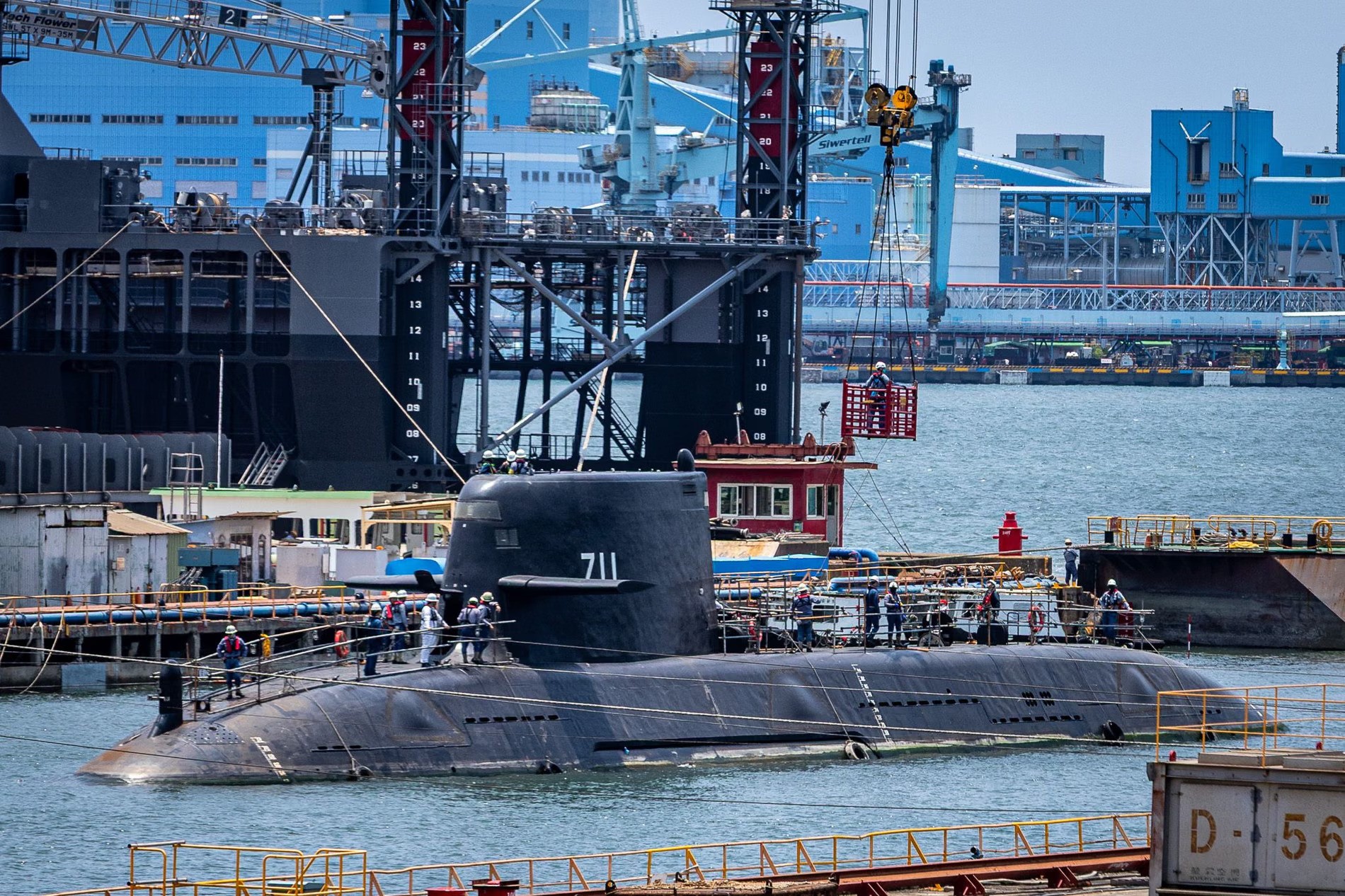
In this regard, Beijing is likely to demand that the official US rhetoric change from “non-support” for Taiwan’s independence to “opposition” to it. Former White House adviser Mira Rapp-Hooper warns that even Trump’s informal reference to Xi’s “rights and interests” in Taiwan will deeply worry US allies in the region.
Subject Four: Achieving a Global AI Standard
Beyond traditional issues, technological competition, and in particular the AI race, has gradually become one of the most important dimensions of the US-China confrontation. While both countries are in a frenzied race to be first in this field and question security standards, Xi Jinping could present the meeting as an opportunity to showcase the cooperation of the two AI superpowers in setting global standards and call it a mutual victory.
In conclusion, despite the complexity of all these axes to present a positive atmosphere, many observers believe that the excessive success of this meeting could also be worrisome, as it could be interpreted as America's retreat on some sensitive issues. For this reason, the Trump-Xi meeting will be not only diplomatic but also a complex scene of bargaining, competition, and the redefinition of the balance of power in the new world order.
