
Washington’s Desire to Maintain Freedom of Action in Negotiations with Tehran and Restrict Tel Aviv
TEHRAN (Defapress) - The Donald Trump administration has effectively removed Israel from direct participation in the negotiation process with Iran. According to sources familiar with diplomatic circles, Israeli leaders are now forced to obtain information about US-Iranian negotiations through contacts with regional diplomats and their own intelligence channels, rather than consulting directly with Washington.
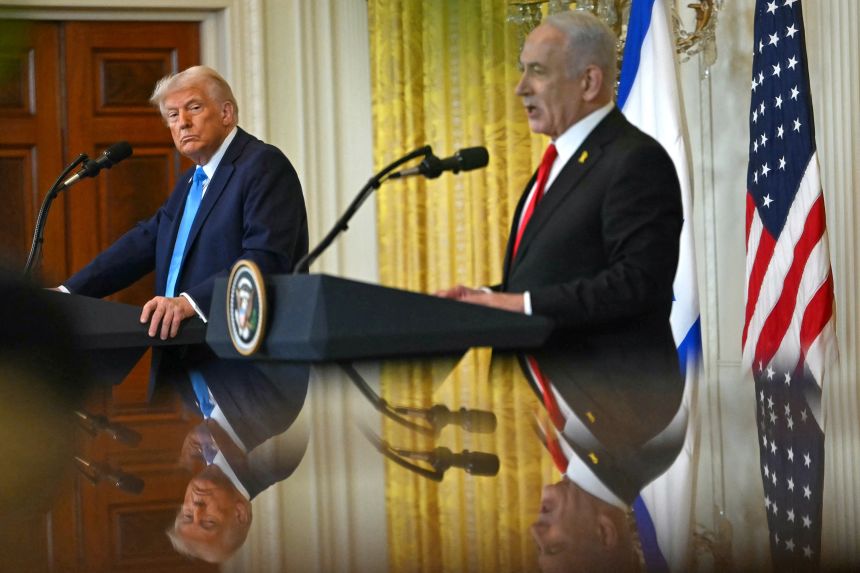
According to the report, Trump has reduced the role of Benjamin Netanyahu from a full-fledged partner in resolving issues to an “ally in war.” Analysts believe that this approach reflects the US government’s desire to maintain maximum freedom of action in negotiations with Tehran.
The New York Times reports that none of the key strategic goals that Israel pursued in its confrontation with Iran, including regime change in the Islamic Republic of Iran, the complete destruction of its nuclear program, and the destruction of its missile arsenal, including intermediate-range and long-range ballistic missiles, have been achieved.
According to the report, the draft agreement currently being negotiated between the United States and Iran only provides for a temporary halt to Iran's nuclear program for 20 years, which is fundamentally different from Tel Aviv's maximum demands. The Zionist regime is also seriously concerned that the issue of Iranian ballistic missiles may not be included in the final text of the agreement at all.
Israeli officials have repeatedly warned that lifting sanctions as part of a potential deal would provide Tehran with new financial resources that could be used for things like rebuilding and modernizing Iran’s armed forces, supporting regional allies such as Lebanon’s Hezbollah, Ansar Allah movement, and Resistance groups in Iraq and Syria, and developing a missile program that remains outside the limits of the deal.
One Israeli security expert told this publication that if ballistic missiles are not included in the deal, it would pose a long-term threat not only to Israel but to the stability of the entire region.
