ستاد حقوق بشر: حملات دشمن به مراکز آموزشی مصداق جنایت جنگی است
به گزارش گروه جامعه دفاعپرس، ستاد حقوق بشر طی بیانیهای ضمن محکومیت حملات مستقیم و عمدی نیروهای مسلح رژیم صهیونیستی و آمریکا به مراکز علمی و دانشگاهی کشور در جریان تجاوز اخیر به ایران، این حملات را ناقض اصول بنیادین حقوق بینالملل بشردوستانه و حقوق بشر اعلام کرد.
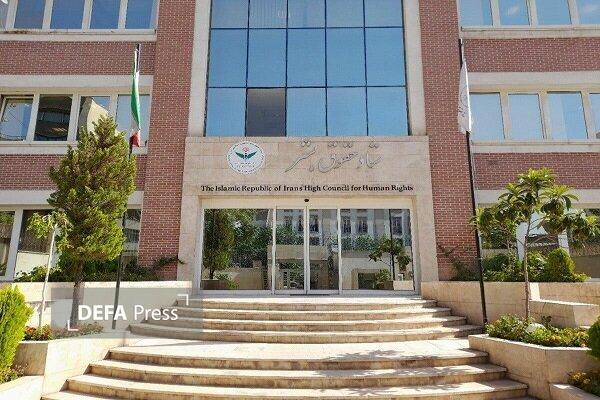
در این بیانیه آمده است:
باسمه تعالی
ستاد حقوق بشر جمهوری اسلامی ایران با شدیدترین لحن، حملات مستقیم و عمدی نیروهای مسلح رژیم صهیونیستی و آمریکا به مراکز علمی و دانشگاهی کشور در جریان تجاوز اخیر به ایران را محکوم میکند؛ این حملات که به روشنی ناقض اصول بنیادین حقوق بینالملل بشردوستانه و حقوق بشر است، منجر به وارد آمدن خسارات فاجعهبار به زیرساختهای علمی و آموزشی کشور گردیده است.
براساس گزارشهای دقیق ستاد حقوق بشر، در جریان این تجاوز، سی (۳۰) دانشگاه و مرکز آموزش عالی در نقاط مختلف کشور مورد حمله مستقیم هواپیماها و سامانههای موشکی دشمن قرار گرفتهاند.
در نتیجه این جنایات، پنج (۵) تن از اساتید برجسته دانشگاه و بیش از شصت دانشجوی بیگناه که در حال تحصیل و تحقیق بودند، به شهادت رسیدهاند؛ همچنین یکصدوپنجاهوچهار (۱۵۴) نقطه علمی شامل ساختمانهای آموزشی، آزمایشگاهها، کتابخانهها، سالنهای سخنرانی و خوابگاههای دانشجویی در بیستویک دانشگاه، مؤسسه و مرکز آموزش عالی زیر نظر وزارت علوم، تحقیقات و فناوری دچار خسارت کلی یا جزئی و تخریب شدهاند.
براساس آخرین برآوردهای کارشناسی، ارزش ریالی خسارات وارده به تأسیسات و تجهیزات علمی و آموزشی این مراکز، به بیش از چهار هزار میلیارد تومان میرسد.
ستاد حقوق بشر جمهوری اسلامی ایران تاکید میکند که حملات عمدی و بدون تفکیک به مراکز غیرنظامی بهویژه دانشگاهها و مؤسسات آموزشی، مصداق بارز «جنایت جنگی» بوده و نقض بنیادین هنجارهای آمره محسوب میشود؛ ماده ۵۲ پروتکل اول الحاقی به کنوانسیونهای چهارگانه ژنو (۱۹۷۷) به صراحت اشیاء و تأسیسات غیرنظامی ازجمله مراکز علمی، فرهنگی و آموزشی را از حمایت مطلق برخوردار دانسته و هرگونه حمله عمدی به آنها را ممنوع اعلام کرده است.
همچنین بند ۲ ماده ۸ اساسنامه رم دیوان بینالمللی کیفری، «حمله عمدی به ساختمانهای مذهبی، آموزشی، هنری، علمی یا خیریّه» را در صورت نبود کاربرد نظامی و با لحاظ سایر شرایط، بهعنوان «جنایت جنگی» معرفی میکند.
ستاد حقوق بشر با استناد کنوانسیون ۱۹۵۴ لاهه برای حمایت از اموال فرهنگی در صورت مخاصمه مسلحانه و همچنین پروتکل الحاقی اول مصوب ۱۹۷۷ اعلام میدارد که حملات عمدی به دانشگاهها و مراکز علمی ایران، نهتنها نقض تعهدات بینالمللی آمریکا و رژیم صهیونیستی است، بلکه مصداق بارز «وحشت افکنی در جمعیت غیرنظامی» ذیل مفهوم جنایات جنگی است؛ چرا که به قصد ایجاد رعب و وحشت در میان جمعیت غیرنظامی و فلج کردن نظام علمی و پژوهشی یک کشور مستقل انجام گرفته، محسوب میشود.
جمهوری اسلامی ایران ضمن محفوظ دانستن حق خود برای پیگیری حقوقی این جنایات در مراجع بینالمللی ازجمله دیوان بینالمللی کیفری، از تمامی نهادهای ناظر حقوق بشری سازمان ملل متحد، بهویژه شورای حقوق بشر، دفتر کمیساریای عالی حقوق بشر، یونسکو (بهعنوان نهاد متولی حفاظت از میراث علمی و فرهنگی) و گزارشگر ویژه حقوق بشر در امور ایران، میخواهد که این حملات را بهعنوان نقض فاحش حقوق بشردوستانه بهطور رسمی محکوم کرده و نام مقامات نظامی و سیاسی رژیم صهیونیستی و آمریکایی مسئول این حملات را بهعنوان جنایتکاران جنگی برجسته نمایند.
در پایان، ستاد حقوق بشر همچنین هشدار میدهد که ادامه این سیاست جنایتکارانه، مسئولیت بینالمللی مستقیمی برای دولتهای متجاوز به همراه داشته و ایران حق ذاتی خود برای دفاع مشروع و مطالبه غرامت کامل را محفوظ میدارد.
متن انگلیسی این بیاتیه به شرح زیر لست:
Statement by the High Council for Human Rights of the Islamic Republic of Iran Condemning the Attack by the Zionist Regime and the United States on Iranian Scientific and Academic Centers and the Martyrdom of Professors and Students
The High Council for Human Rights of the Islamic Republic of Iran condemns in the strongest possible terms the direct and deliberate attacks by the armed forces of the Zionist regime and the United States on the scientific and academic centers of Iran during the recent aggression against Iran. These attacks, which constitute a manifest violation of the fundamental principles of International Humanitarian Law and Human Rights Law, have resulted in catastrophic damage to the nation’s scientific and educational infrastructure.
According to precise reports compiled by the High Council for Human Rights, during this act of aggression, thirty (۳۰) universities and higher education institutions across various parts of the country were subjected to direct strikes by enemy aircraft and missile systems. As a result of these atrocities, five (۵) distinguished university professors and more than sixty innocent students, who were engaged in study and research, have been martyred. Furthermore, one hundred and fifty-four (۱۵۴) scientific sites, including educational buildings, laboratories, libraries, lecture halls, and student dormitories across twenty-one universities, institutes, and higher education centers of Iran’s Ministry of Science, Research and Technology, have sustained total or partial damage and destruction. According to the latest expert assessments, the value of the damage incurred to the scientific and educational facilities and equipment of these centers exceeds forty thousand billion Rials.
The High Council for Human Rights of the Islamic Republic of Iran underscores that intentional and indiscriminate attacks against civilian objects, particularly universities and educational institutions, manifestly qualify as war crimes under international humanitarian law and represent a fundamental breach of peremptory norms (jus cogens).Article ۵۲ of Additional Protocol I to the Geneva Conventions (۱۹۷۷) explicitly affords absolute protection to civilian objects and installations, including scientific, cultural, and educational centers, and prohibits any deliberate attack upon them. Furthermore, Article ۸ (۲) (b) (ix) of the Rome Statute of the International Criminal Court defines "intentionally directing attacks against buildings dedicated to religion, education, art, science or charitable purposes, provided they are not military objectives," as a war crime.
The High Council for Human Rights of the Islamic Republic of Iran, invoking the ۱۹۵۴ Hague Convention for the Protection of Cultural Property in the Event of Armed Conflict, as well as Additional Protocol I of ۱۹۷۷, declares that the deliberate attacks on Iranian universities and scientific centers not only constitute a breach of the international obligations of the United States and the Zionist regime but also represent a clear instance of "spreading terror among the civilian population" within the context of war crimes. This assessment is grounded in the fact that such attacks were perpetrated with the intent to instill fear among the civilian population and to paralyze the scientific and research system of an independent sovereign State.
The Islamic Republic of Iran, while reserving its inherent right to pursue legal recourse for these crimes before international forums, including the International Criminal Court, calls upon all human rights monitoring bodies of the United Nations, in particular the Human Rights Council, the Office of the High Commissioner for Human Rights, UNESCO (as the custodian body for the protection of scientific and cultural heritage) , and the Special Rapporteur on the situation of human rights in the Islamic Republic of Iran, to officially condemn these attacks as gross violations of international humanitarian law and to identify the military and political officials of the Zionist regime and the United States responsible for these attacks as designated war criminals.
In conclusion, The High Council for Human Rights of the Islamic Republic of Iran further warns that the continuation of this criminal policy entails direct international responsibility for the aggressor States, and that Iran reserves its inherent right to legitimate self-defense and to demand full reparation and compensation.
انتهای پیام/ 261