
Hamas Proposes Decommissioning Weapons in Five-Year Truce
TEHRAN (Defapress) - As Hamas and Israel prepare to enter a more complex second phase of the Gaza ceasefire agreement, Basem Naim, a member of the Hamas political bureau in Doha, told The Associated Press: “We are ready to take a comprehensive approach and avoid escalating tensions or any further conflict.”

Since the ceasefire went into effect in October, Hamas and Israel have been exchanging prisoners. With only the remains of one prisoner remaining in Gaza, the two sides are preparing to enter the second phase of the Gaza ceasefire agreement.
The new phase, aimed at charting a future for war-torn Gaza, is expected to be even more difficult, as it will address issues such as the deployment of an international security force, the formation of a Palestinian technocratic government in Gaza, the withdrawal of Israeli forces from the territory, and the disarmament of Hamas. An international delegation led by US President Donald Trump is also set to oversee the implementation of the deal and the reconstruction of Gaza.
On the other hand, Israel’s demand that Hamas lay down its weapons will be extremely difficult to deal with. Israeli officials say it is a key demand that could hinder progress on other fronts. They believe Hamas’s ideology is deeply rooted in a culture of resistance to Israel, and its leaders have rejected calls to surrender despite more than two years of war that have devastated large parts of Gaza and killed tens of thousands of Palestinians.
“Hamas maintains the right to resistance, but the group is ready to lay down its weapons as part of the process that leads to the establishment of a Palestinian state,” said Basem Naim, a member of the Hamas political bureau.
“Hamas is very open-minded about how it deals with its weapons. We can talk about decommissioning or abandoning weapons in exchange for clear guarantees that we will not use them at this time of ceasefire or ceasefire at all,” the Hamas political bureau member said, proposing a five- or 10-year ceasefire.
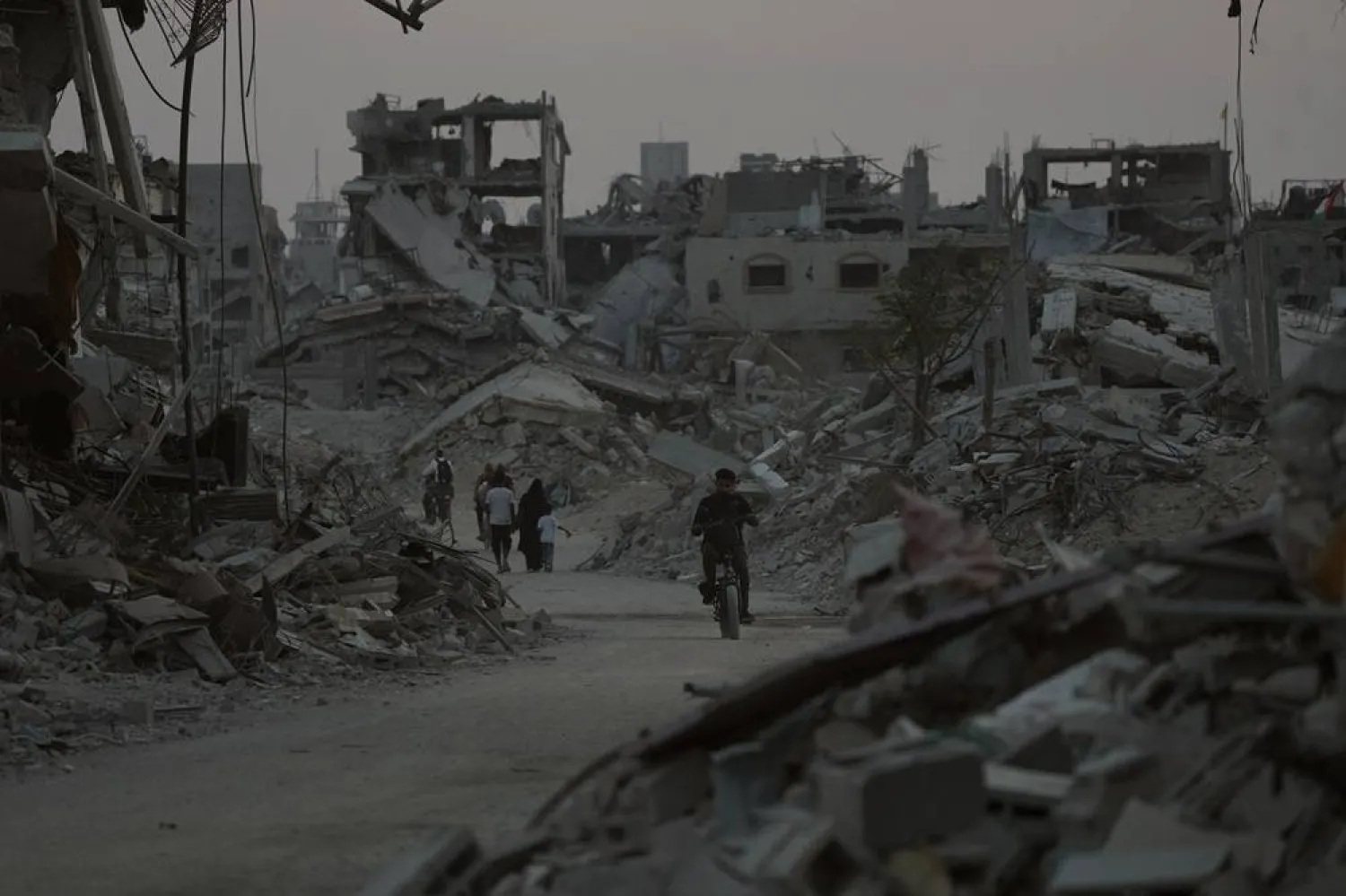
Five-year ceasefire proposal
Regarding the US president’s 20-point ceasefire plan, Basem Naim said: “This plan has many ambiguities. We welcome the presence of a peacekeeping force near the borders, monitoring the ceasefire agreement, reporting violations, and preventing any escalation. But we do not accept that these forces have the authority to do anything inside the Palestinian territories or to implement any plan or program.”
Naim also stated regarding the formation of a technocratic government to govern Gaza: “Hamas and the Palestinian Authority have made progress in forming a new technocratic committee that is supposed to manage the daily affairs of Gaza. We have agreed on the chairmanship of a Palestinian cabinet minister who lives in the West Bank but is originally from Gaza.”
The Hamas political bureau member did not reveal the name of the future head of the Palestinian cabinet, but it is said that he is none other than Maged Abu Ramadan, the current Palestinian Minister of Health and former mayor of Gaza from 2005 to 2008.
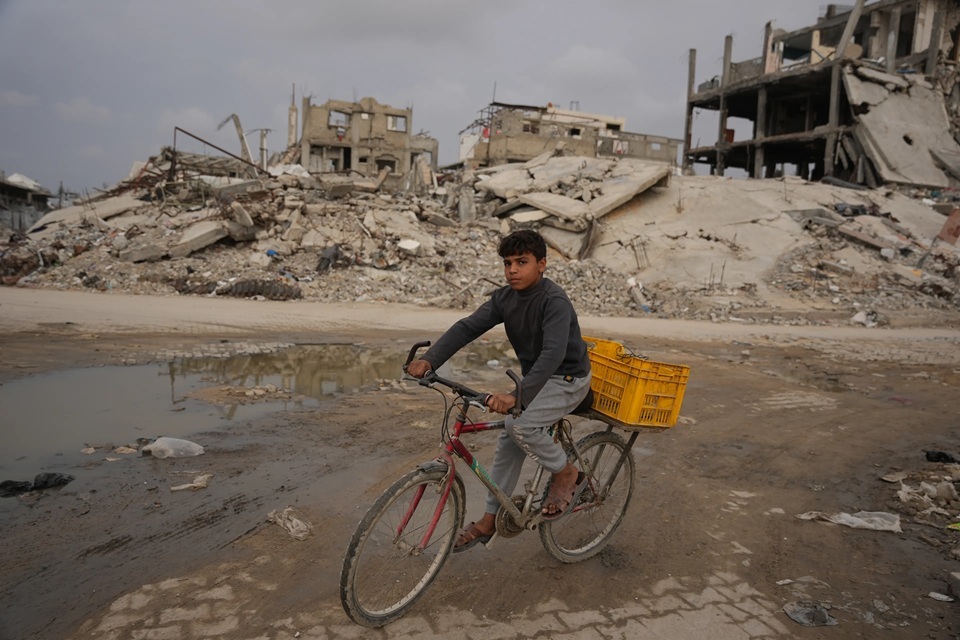
Israel’s mischief in the first phase
In the first phase of the ceasefire, both Israel and Hamas accused each other of repeatedly violating the agreement. Israel has accused Hamas of delaying the return of the bodies of the prisoners, while more than 370 Palestinians have been martyred in continuous Israeli attacks since the ceasefire was implemented.
A member of the Hamas political bureau said: “Israel has rejected Hamas’s proposals for resolving the impasse and has added several conditions. Israel has reneged on its key commitments, including saturating Gaza with humanitarian aid and opening the Rafah border crossing with Egypt, and most of the supplies entering Gaza are goods brought by private traders to sell in Gaza. The masses of the poor people in Gaza have been left without food and shelter.”
Last week, Israel announced that it was ready to reopen the Rafah crossing, Gaza’s main gateway to the outside world, but this opening will only allow people to leave the Gaza Strip. Egypt is concerned that this move is a plot to expel Palestinians from Gaza and says Israel is obligated to open the crossing in both directions.
