

Displays Instead of Military Equipment on Victory Day
TEHRAN (Defapress) - Unlike previous years, which represented the Kremlin’s authority, the Victory Day parade this time highlighted the effects of four years of attrition war with Ukraine. The ceremony, once considered a showcase of Russian military power, was held this time under the shadow of the threat of attacks from Ukraine, a widespread internet blackout, and tight security measures. Russian officials also acknowledged that a large part of these measures was designed to protect the Russian president himself.
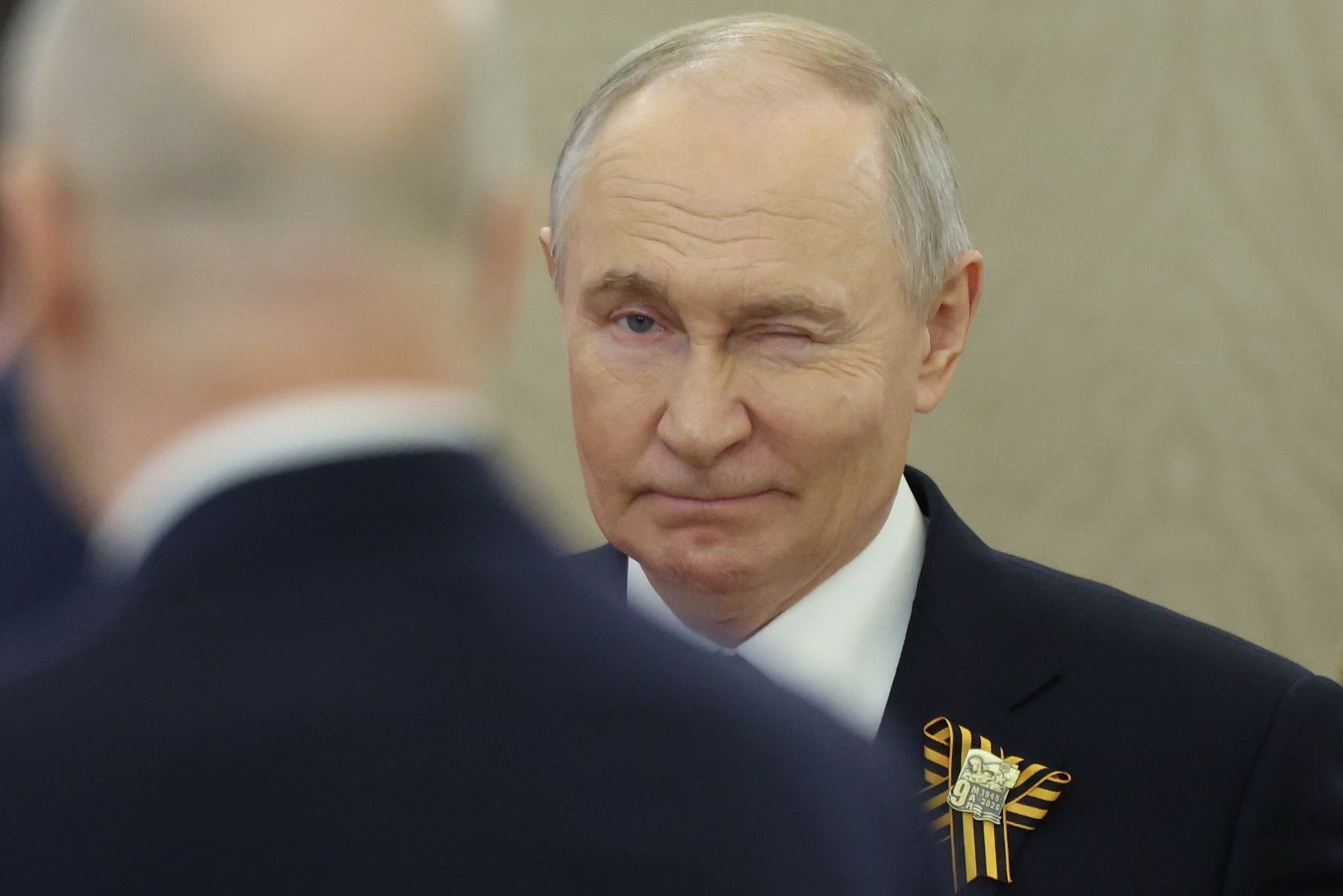
In his speech, Vladimir Putin tried to link the war in Ukraine to the historical memory of World War II. This narrative, which the Kremlin has repeatedly emphasized since the beginning of the invasion of Ukraine, was again accompanied by a description of Russian forces as the successors of the “victorious Soviet generation.” Putin said Russia would stand up to NATO and ultimately win.
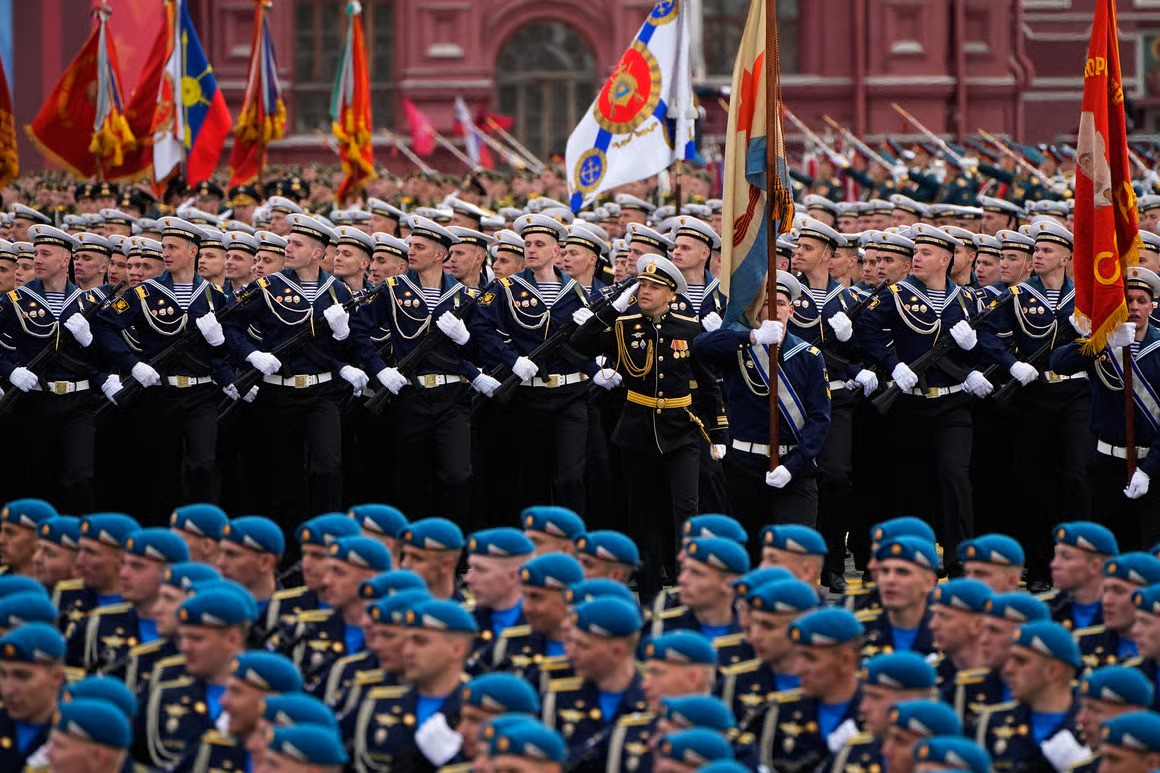
Unlike in previous years, this year’s parade featured no huge columns of tanks, missiles, and armored vehicles. The weapons displays that had become a staple of Putin’s parades since 2017 were virtually eliminated, replaced by images of Russian drones and nuclear warheads, a change that many interpreted as a sign of wartime restrictions and security pressures. Even the duration of the ceremony was cut to almost half of the previous year's.
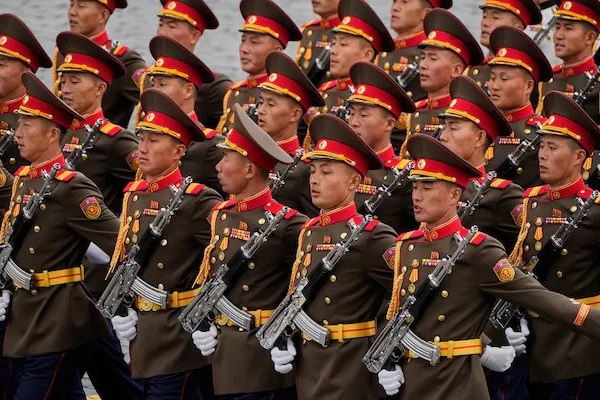
One of the most striking images of the parade was the presence of North Korean troops on Red Square, a clear sign of the growing rapprochement between Moscow and Pyongyang. While many traditional powers refused to attend, the Kremlin increasingly relied on its traditional allies, such as North Korea, Belarus, and some Central Asian countries, to show external support.
On the other hand, Ukraine also tried to influence the atmosphere of the ceremony by using psychological warfare and by constantly threatening drone and missile attacks, putting Moscow in a tense and semi-secure situation. Volodymyr Zelensky’s sarcastic response to Putin’s call for a ceasefire also showed that Kyiv does not want to cede the political initiative to the Kremlin. In a sarcastic statement aimed at showing appreciation to Moscow, Zelensky announced that his country would “allow” Russia to hold the Victory Parade in safety.
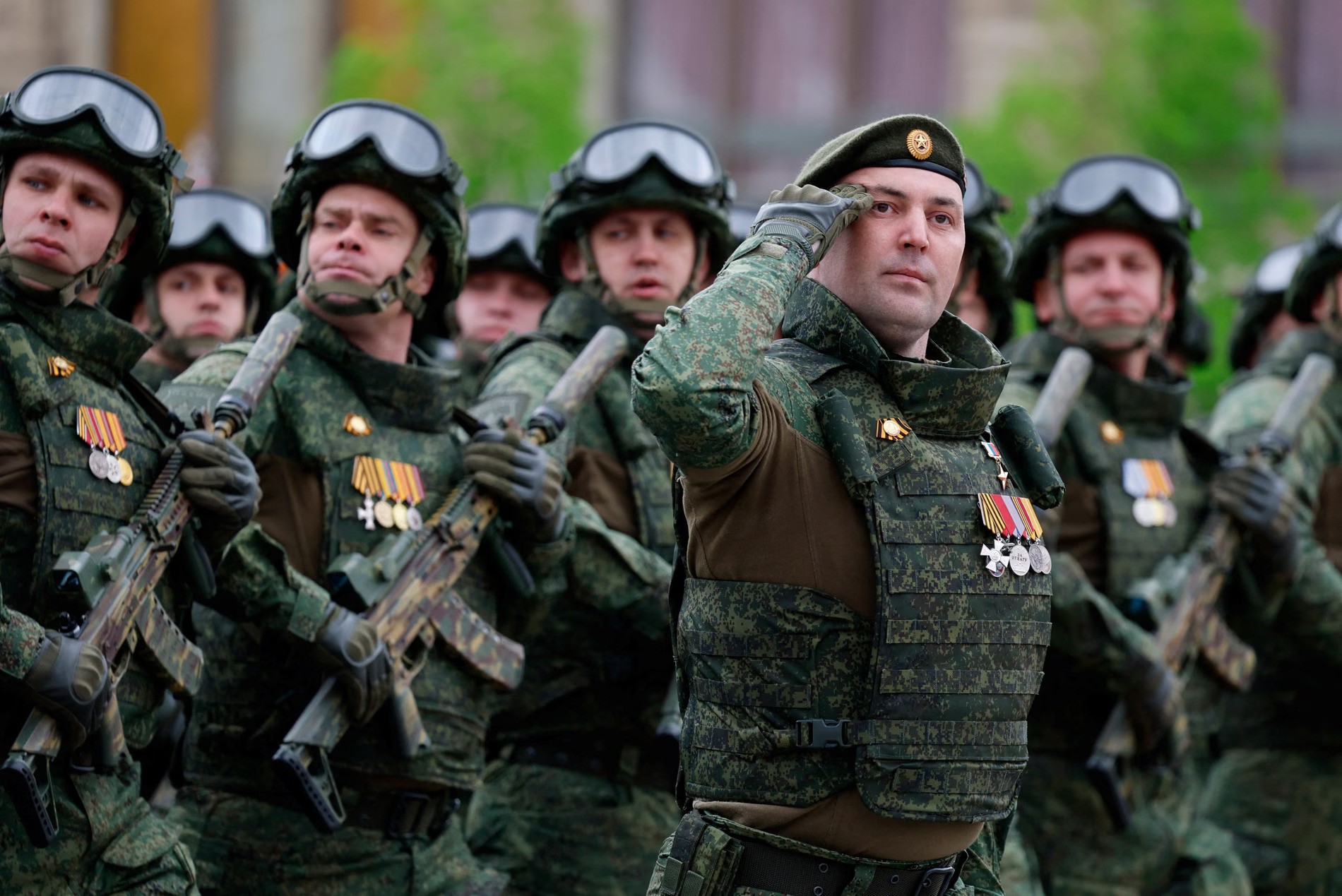
This year’s parade was also historic from another angle: the war in Ukraine has lasted longer than the Soviet Union’s participation in World War II. This issue has symbolic importance for Putin, who has always tried to present the current war as a continuation of the “fight against Nazism.” But unlike the decisive Soviet victory in 1945, the war in Ukraine has become a battle of attrition in which neither side can win quickly nor push back Russian forces.
The signs of the eroding situation are not limited to the battlefield. The Russian economy, which in recent years had grown thanks to a massive injection of revenue from military exports, is now facing high inflation, slowing economic growth, and a widening budget deficit. Internet shutdowns and security restrictions have also fueled public discontent, a problem that was less likely a few years ago.
Despite this pressure, the Kremlin has shown no sign of being ready to compromise. Statements by Putin aide Yuri Ushakov that new talks are possible only if Ukrainian forces withdraw from Donetsk show that Moscow is still insisting on its maximum terms.
Overall, this year’s Red Square parade showed more than ever that Russia has entered a complex and eroding phase of the war; a phase in which the Kremlin continues to speak of “definite victory,” but signs of eroding and security concerns are also clearly visible.
