

We Must Always Be Ready for Battle and Stand Up for Our Lives to Maintain Our Security
TEHRAN (Defapress) - Mohammad Bagher Ghalibaf, the Speaker of the Islamic Consultative Assembly, in a detailed statement addressed to the Iranian nation, outlined the nature of the confrontation with the United States. While doing so, he emphasized the necessity of smart, simultaneous utilization of both military and diplomatic tools, leaving the final determination of this strategy to the Supreme Leader and Commander-in-Chief of the Armed Forces. Pointing out that Iran is engaged in an "essential and existential war" with the US, Ghalibaf stated that the enemy's goal is to overthrow the Islamic Republic system and partition Iran. He asserted that this imperialist strategy of the United States remains constant, regardless of war, negotiations, or changes in US presidents. He emphasized that the US will never accept a strong Iran, and this fundamental principle of confrontation between the two countries must serve as the basis for decision-making.
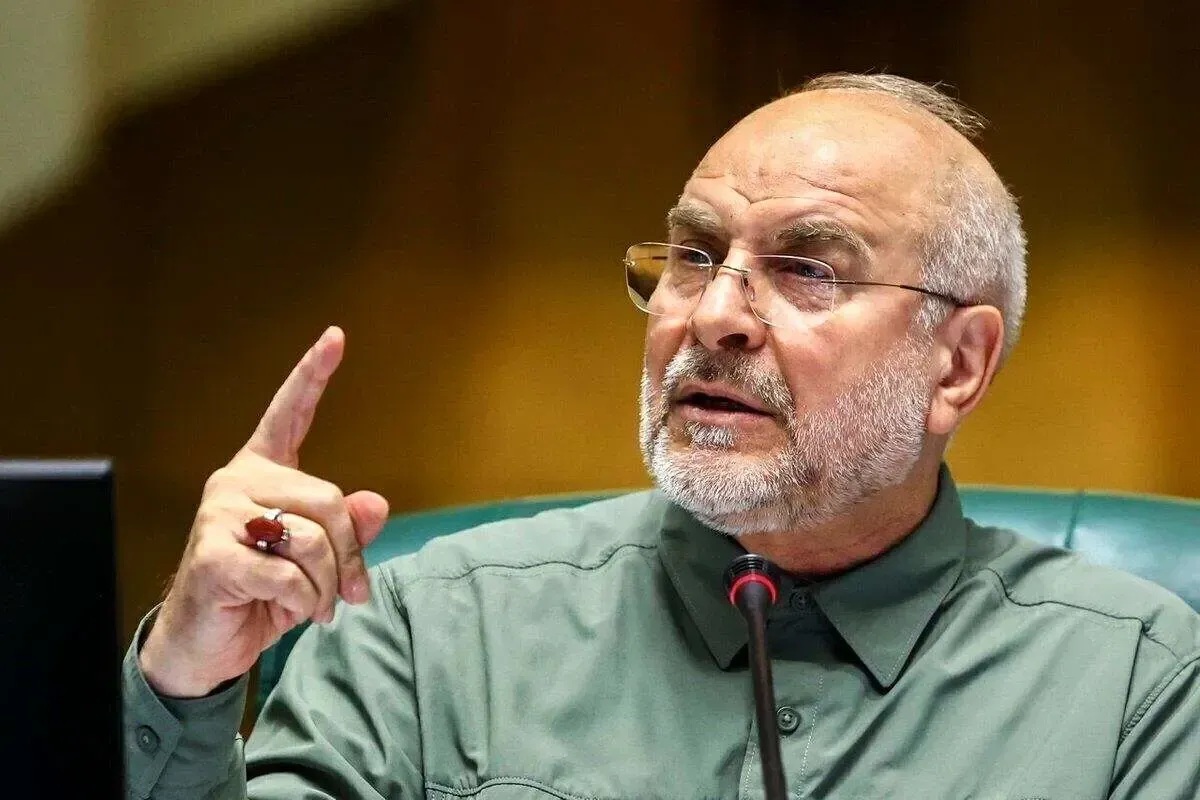
Recalling that the unified resistance of the people and the armed forces thwarted the enemy’s sinister plot in the 40-day war, forcing them to request a ceasefire and enter negotiations, Ghalibaf warned that this does not signify a shift in the enemy's strategy, as the US maintains its imperialist nature. At the same time, he emphasized that Iran has never welcomed and will never welcome war, but must always remain prepared for battle and stand firm to the death to protect its security and national interests. Ghalibaf clarified that negotiation at this juncture is not equivalent to compromise, but rather part of the strategy of resistance and safeguarding national interests. He stressed that separating war from negotiation and choosing only one of them as the sole solution constitutes a "strategic error." According to him, engaging with the world’s largest material power requires great, sophisticated, and resilient thinking, necessitating close coordination between military and diplomatic methods.
One of the key pillars of the statement was emphasizing the achievement of "Iranian arrangements" in the Strait of Hormuz. Ghalibaf stated that, unlike in the past, the Strait of Hormuz was correctly closed during the 40-day war. He noted that these arrangements were consolidated in Clause 5 of the memorandum of understanding, serving as leverage to secure Iran's demands outlined in the other four clauses. He explicitly declared that if Iran does not benefit from the agreement, there is no reason to remain committed to it. Based on an "eye for an eye" policy, the armed forces maintain complete freedom of action to counter any enemy aggression. The parliament speaker warned that the US is attempting to diminish this achievement through force, but Iran will not allow the enemy's will to be imposed and will stand against these pressures by relying on its own power.
Ghalibaf delegated the decision of when and how to utilize the tools of war and diplomacy, depending on the timing and circumstances, to the Supreme Leader of the Islamic Revolution as the Guardian Jurist and Commander-in-Chief of the Armed Forces, emphasizing the necessity of universal obedience to his commands. He called on all groups and political factions to maintain unity, support the soldiers of both defense and diplomacy, and project their presence to the enemies. In another part of his statement, the parliament speaker urged the public to disregard enemy news and rumors aimed at sowing despair, fear, division, and mistrust. He emphasized that public support and trust empower the soldiers of defense and diplomacy against the adversary, assuring that under the Supreme Leader's guidance, the fruits of this trust and support will be witnessed by divine grace.
The head of the legislative branch further noted that speaking from a position of strength in the Strait of Hormuz today is the direct result of the battlefield power that the people have generated. He asserted, "It is certain to us that we will avenge the blood of our martyred Leader, and the enemy must know that we will not compromise in pursuing our demands." He also paid tribute to the people of southern Iran, who stand at the front lines, and recalled his own memories of serving in the operational zones of the south, stating that he will never forget the warmth of their love and affection for Iran. Ghalibaf concluded by emphasizing, "We have pledged our lives to defend this country, and we will stand by our promise. By God's grace and favor, the victory of dear Iran is near, and the historic resistance of the people will endure."
