
Yemeni Armed Forces on the Verge of Liberating the Strategic City of Taiz
TEHRAN (Defapress) - The civil war in Yemen is approaching a decisive phase. In recent days, the Yemeni Armed Forces have succeeded in besieging the strategic city of Taiz. The liberation of Taiz following this siege will impact not only the destiny of Yemen, but also the fate of West Asia and even the world.
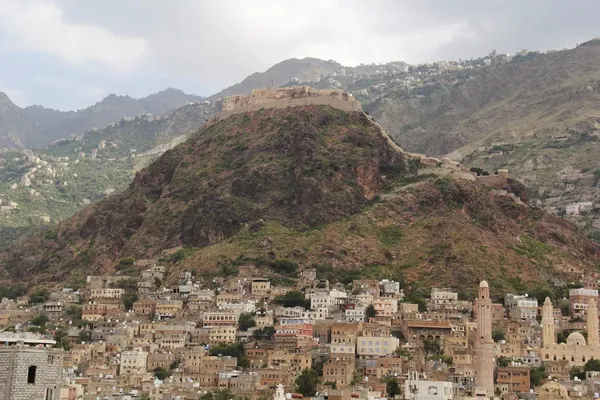
To understand what is happening in Yemen, one must first review the disposition of forces. The Yemeni Armed Forces control the main parts of Yemen, with Sana'a as its capital. On the opposing side is the front of Saudi mercenaries, based in the port city of Aden. The strategic city of Taiz lies between Sana'a and Aden and has been under the control of the Saudi mercenaries.
In their operation to liberate Taiz, which began last month, the Yemeni Armed Forces did not launch a direct assault on the city. Instead, they sought to maneuver through mountainous passes to encircle the city from the south, thereby cutting off supply routes and the possibility of transferring reinforcements from Aden. Furthermore, the Yemeni Armed Forces achieved a significant success in September: by liberating the port of Al-Mokha, they reached the Red Sea, thereby consolidating their control over the Bab al-Mandab region.
Currently, based on the latest reports, as a result of a series of offensive actions, the Yemeni Armed Forces have effectively besieged Taiz along with the remaining government forces inside it. On Thursday, the Yemeni Armed Forces released a video of the village of Al Nashama, which acts as a "bottleneck" for the city of Taiz. All supply routes to Taiz run directly through Al Nashama, and the liberation of this village is considered a highly crucial step toward the liberation of Taiz by the Yemeni Armed Forces.
The Yemeni Armed Forces have also gained control of key mountain heights surrounding Taiz in the Jabal Jahaf mountainous region and the last mountain passes that Saudi mercenaries could use to launch a counterattack from within the siege or attempt to break it. According to reports, communications between the Taiz garrison and the outside of the city have been nearly severed.
Why is Taiz so important to the Yemeni Armed Forces?
The reality is that this key city is built upon a mountain range connecting the eastern and western parts of the country. Historically, this mountain range served as a natural border between Yemen’s regions, with Taiz acting as the main gateway. Taiz is a city with a glorious history; in the 12th century, it even served as the capital of the Ayyubid dynasty in Yemen.
On the other hand, the siege of Taiz from the south cuts off the city's communication route with Aden, a city that serves as the self-proclaimed capital of the Saudi mercenaries and, owing to its maritime access, is capable of receiving aid from Saudi Arabia. Severing ties with such a city will deprive Taiz of any munitions or provisions.
Additionally, by establishing control over the mountain ranges near Taiz, the Yemeni Armed Forces secure their territory along the Red Sea. Any counterattack by Saudi mercenaries toward the Bab al-Mandab strait and the port of Al-Mokha is virtually impossible without controlling the city of Taiz. Taiz serves as the key to accessing subsequent cities for both fronts.
Aside from its military significance, Taiz, Yemen's third-largest city, also holds symbolic importance. For a long time, this city and its surrounding region served as the hub of the Saudi mercenaries. Rashad al-Alimi himself, Saudi Arabia’s puppet president, originates from Taiz.
In the Yemeni mindset, the city's Al-Qahira Citadel is also rich in symbolic meaning; the loss of this city would signify the psychological collapse of the Saudi-backed government in Aden and demonstrate Saudi Arabia's inability to protect key centers under its control.
The situation surrounding Taiz is so catastrophic for the Saudi mercenaries that their commanders have resorted to spreading false yet morale-boosting rumors regarding the appearance of columns of Pakistani trucks in central Yemen and even the possible appearance of Syrians in the ranks of these mercenaries. This rumor gained traction following Ahmed al-Sharaa's visit to Saudi Arabia.
Damascus's hasty denial of this report is understandable: it is unlikely that Syria, in its current state, would want to get entangled in the Yemeni civil war. The same applies to the Mecca Pact and the participation of Turkey and Pakistan in the war against Yemen. No one wants to sink headfirst into the "Yemeni quagmire," even at Saudi behest.
If Taiz is captured, a direct route to Aden will open up for the Yemeni Armed Forces. The liberation of Taiz will yield vast amounts of equipment and manpower for the Yemeni Armed Forces. The spoils gained from the liberation of Taiz could mark the beginning of the end for Saudi mercenaries across all of Yemen.
The prospective liberation of Aden following Taiz by the Yemeni Armed Forces would represent an immense political and military victory for Sana'a, signaling the practical unification of all of Yemen by its national armed forces and the end of the era of Saudi and Emirati mercenaries in the country.
In turn, this could trigger a significant political earthquake within the royal court in Riyadh. A total defeat in the war with Yemen would deal a serious blow to the credibility of Saudi Arabia's ruling faction, clustered around Crown Prince Mohammed bin Salman. This earthquake could even affect other Persian Gulf states, prompting shifts in their political and security doctrines for the days and weeks ahead.
