
Last Drops of Calmness in Europe and America: Strategic Diesel Reserves Are Running Out
TEHRAN (Defapress) - For the past seven months, analysts, think tanks, and mainstream media outlets of the hegemonic regime have focused more than anything on the count of tankers in the vital Strait of Hormuz and the fluctuations in crude oil prices. The narrative war has tried to highlight the West’s economic resilience in controlling the price of a barrel of oil; but just behind this media setup, a more deadly crisis, far from the headlines, has been brewing; the fuel crisis that drives the heavy logistics, agricultural machinery, generators, and the arteries of the Western supply chain: Diesel.
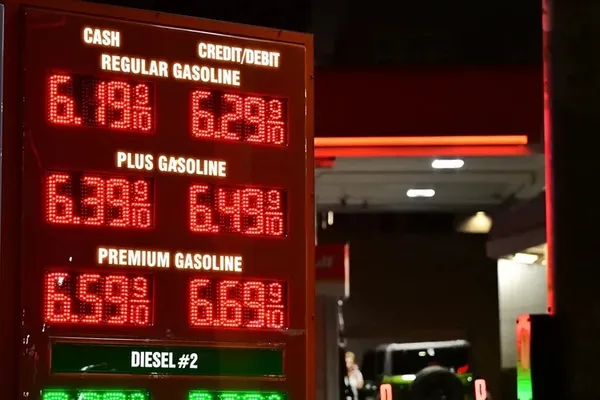
Today, the real shock has erupted not from the oil wells but from the refineries in Washington and Brussels. The question for public opinion is how this earthquake remained in the shadows for months, and why alarm bells are now ringing with the most intense frequency in the control rooms of industrial economies?
The Illusion of Calmness in the Shadow of Burning Strategic Reserves
In the early weeks of the crisis, the industrialized countries of the International Energy Agency (IEA) launched the largest coordinated evacuation in history, withdrawing more than 400 million barrels of oil from emergency reserves to keep the market seemingly calm. However, while Brent crude oil had risen by about 45 percent by September compared to its pre-crisis level, the wholesale price of diesel in the US market had experienced a staggering jump of nearly 94 percent.
The reason for the early failure to grasp the disaster at the public level was simple but fatal: The West, covering up the truth, has been using up its reserves to cushion the blow. Since the start of the conflict, more than 570 million barrels of crude and refined products have been depleted; a temporary shield that has only managed to mask the reality of a physical shortage of fuel for a few months, not to mention the fact that the depth of these reserves is not infinite.
Simultaneous Collapse of Supply Bases
The domino effect occurred when the world’s two main refining hubs underwent transformation. The disruption in the Strait of Hormuz caused the region’s net diesel export flow to fall by about 75 percent compared to pre-war levels, a drop that no pipeline or alternative route can make up for in the short term. Russia, the world’s second-largest diesel exporter, effectively suspended its exports until the end of October after drone attacks on its refineries.
In just 48 critical hours, the fragile market balance collapsed completely. Chinese refineries have halted exports for a second time, and the White House, in a frantic confrontation with European allies, has threatened to ban US diesel exports if Berlin and Paris do not open their emergency diesel reserves, a public show of defection from the transatlantic alliance under the weight of severe fuel shortages.
Stockpiles Buy Time, But Do Not Produce Fuel
Brussels is now under pressure to release more than 40% of Europe’s strategic diesel reserves (120 million barrels) into the market within the next six months. But the reality on the ground in the energy economy is much clearer than diplomatic promises; emergency reserves can only buy time, but cannot produce a single drop of actual diesel.
The current crisis has exposed the structural vulnerability of Western countries’ supply chains in an eroding equation. When the logistics arteries, freight fleets, and food security stemming from the operation of agricultural machinery face a shortage of products, the inflationary and recessionary effects will be far more devastating than the increase in crude oil prices. The veil of deception has been lifted from the energy market, and the West is now faced with a reality that cannot be contained by financial games on the stock exchanges or by re-applying to depleted emergency warehouses.
