

Consequences of Iran’s Regional War on Pakistan’s Economy
TEHRAN (Defapress) - The weekly inflation index published by the Pakistan Bureau of Statistics increased by 8.62 percent in the week ending September 10 compared to the previous year. The price of food data-x-items such as onions has also more than doubled. The price of wheat has also increased by 30 percent compared to the previous year. Beef, mutton and pepper have also experienced double-digit price increases.
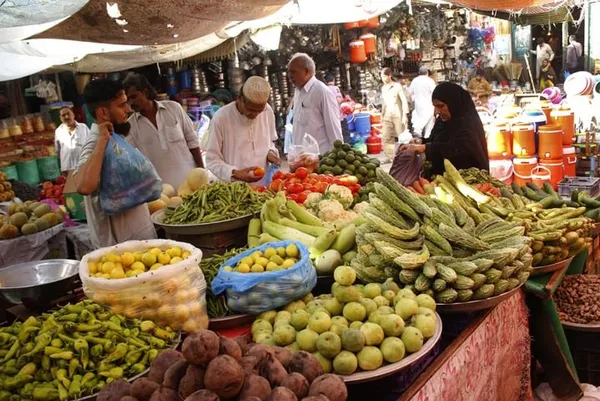
On the other hand, fuel prices in Pakistan have increased sharply: LPG is 55 percent more expensive, and diesel and petrol have increased in price by 45 and 39 percent, respectively. Electricity bills have also increased by 25 percent compared to the past.
However, wages for the vast majority of Pakistanis have not kept pace with inflation, meaning that ordinary people can only adapt to the new wave of inflation by reducing their consumption. Already, the inflationary storm that has gripped Pakistan since 2022 has set the vast majority of Pakistanis back years in terms of quality of life. Recent health statistics show that people are eating less to survive, a shocking sign of the impact the long period of inflation has had on household life across Pakistan.
Demand destruction in Pakistan has occurred on a massive scale, and the local economy may struggle to escape this trap for years. The recent price pressures appear to be the result of the regional war with Iran, which has roiled global markets for months and has affected Pakistan due to its dependence on the Persian Gulf markets for its energy needs, and there is no sign of an imminent end.
The Pakistani government has yet to publicly respond to the skyrocketing prices, dismissing them as a natural and temporary price increase. While Islamabad cannot find a solution to the Iranian blockade of the Strait of Hormuz, it can find other ways to address the problem, including levying taxes on groups and guilds that traditionally underpay the Pakistani government. Monitoring the fuel and food markets and cracking down on hoarding and overpricing are other ways Islamabad can address the problem.
In short, Pakistani officials should be aware that inflation has a high political cost, and remaining silent will only lead to the erosion of the government’s social capital. Pakistani citizens expect their government to not abandon them and to find solutions to their economic problems.
