
Mirza Kuchak Khan: A Symbol of Resistance to Colonialism
TEHRAN (Defapress) - Mirza Kuchak Khan Jangali, the leader of the Jangal Movement, was one of the influential figures in the course of political and social developments in Iran during the turbulent years of World War I and the collapse of the Qajar power structure. An examination of his actions reveals that the Jangal Movement, beyond being a regional movement, played a significant role in establishing a discourse of national resistance, the quest for independence, and confronting foreign influence in Iran.
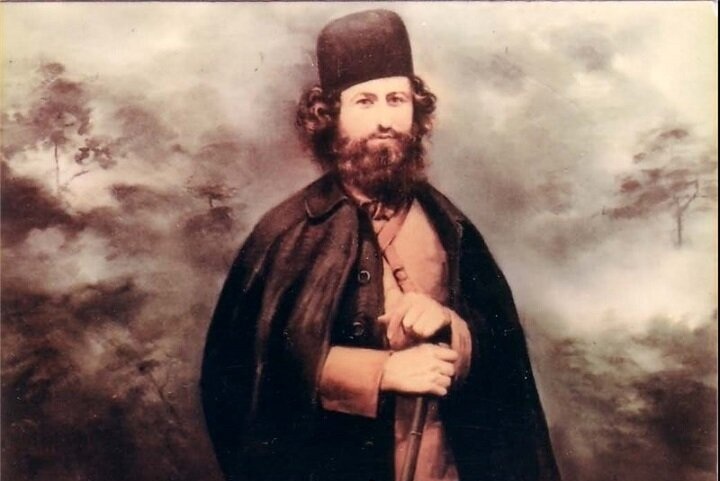
He died on December 2, 1921, in the highlands of Khalkhal due to severe cold and blizzard.
Formation of the Jangal Resistance Nucleus Against Foreign Occupation
With the outbreak of World War I and the increasing influence of Russia and Britain in northern Iran, Mirza Kuchak Khan, with the aim of creating a regular popular force, gathered a group of Gilani fighters. This initial nucleus quickly transformed into an organized movement and was able to establish strong bases in the forests of Gilan.
Mirza's approach, unlike many local leaders, had a national perspective, and he prioritized confronting foreign intervention over any other expediency.
Control of Rasht and Establishment of Independent Administrative Order
By expanding its influence, the Jangal Movement managed to wrest control of part of Gilan, including Rasht, from state and foreign forces. Mirza, by establishing basic administrative and security structures, sought to bring stability to the region.
This short-lived experience was a form of "revolutionary governance" that demonstrated the managerial capability of Mirza and his companions; however, a lack of financial resources and internal disputes prevented the full consolidation of this structure.
Articulation of the National Aims of the Jangal Movement
Mirza Kuchak Khan Jangali pursued goals such as the complete independence of Iran, confronting Russian and British influence, fundamental reforms in the country, and fighting against governmental oppression and corruption and a manifesto was formed around these goals.
This manifesto showed that the Jangal Movement was not merely a military movement, but possessed a specific intellectual and political framework that distinguished it from many of the regional uprisings of that era.
Limited Cooperation with Soviet Revolutionary Forces
The entry of Bolshevik forces into Anzali (1920) changed the political equations in Gilan. Mirza, despite ideological differences, and due to pressure from state forces and wartime conditions, entered into a temporary alliance with them; however, this cooperation did not last long and ended in separation due to the political interference of the Russians and the threat to Iran's independence.
This phase of the Jangal Movement showed that Mirza Kuchak Khan Jangali was flexible in tactical decisions but remained steadfast in his independence-seeking principles. His disagreement with leftist policies was one of the factors in the failure of rapprochement between the two groups.
Resistance Against the Advance of Central Government Forces
With the central government in Tehran gaining power and launching extensive operations in Gilan, Mirza Kuchak Khan resisted with his limited forces until the very end. His difficult retreat to the highlands of Khalkhal and his death in the severe cold marked the practical end of the Jangal Movement.
Mirza refused to surrender until the final moment, and this steadfastness cemented his place in the historical memory of the Iranian people as a symbol of resilience and militant honor.
Mirza Kuchak Khan Jangali can be considered a pioneer of Iran's anti-colonial resistance; an individual who sought to redefine political independence as a fundamental principle, to decisively reject internal injustice and foreign influence, and to experience a model of popular governance on a limited scale in Gilan.
Although the Jangal Movement did not achieve its ultimate goals due to political, military, and internal discord, Mirza Kuchak Khan left a decisive legacy in shaping subsequent freedom-seeking currents and strengthening Iran's national identity.
