

Victory of the “Mosaic Defense” of the Iranian Armed Forces Over the “Epic Fury” of the Enemy Terrorist Army
TEHRAN (Defapress) - Iran’s “Mosaic Defense” strategy played a decisive role in repelling the massive American attack during Operation Epic Fury and ultimately led to the end of the military phase of the conflict.
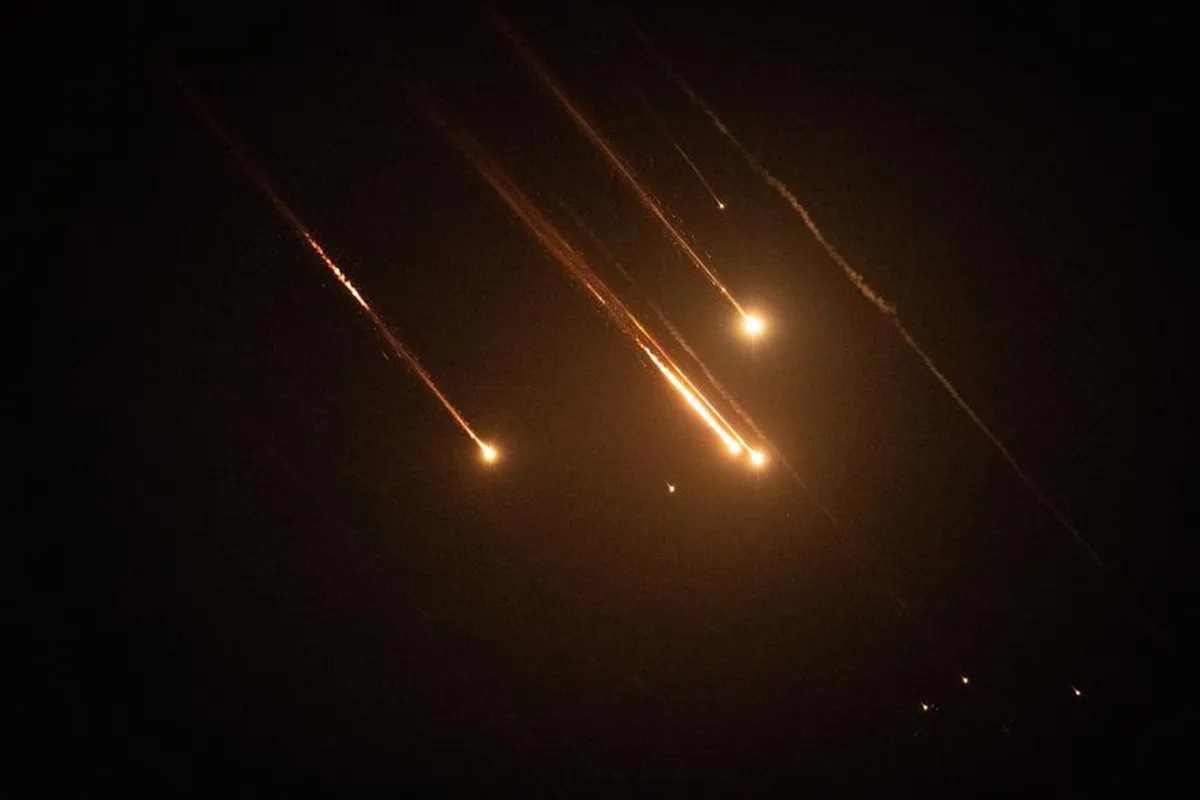
The decentralized defense strategy that Iran used, known as the “Mosaic Defense,” played a key role in repelling the attacks of the US and Israel. In a broader sense, this strategy is considered an effective asymmetric response to the attacking forces' attack.
According to analysts, the Mosaic Defense strategy is the exact opposite of classic centralized defense strategies based on trench warfare, heavy equipment, and a centralized command structure. In this new approach, instead of focusing on large, expensive systems, a multitude of small, inexpensive, and interchangeable units, such as drones, autonomous radars, and simple missile platforms, are used. These elements act like pieces of a mosaic; if one or two pieces are lost, the whole picture does not collapse, and by quickly rearranging the remaining pieces, it can be rebuilt.
Tehran used “Witness” drones to force the enemy to surrender due to the economic pressure and cost asymmetry on the belligerent countries, each of which costs about $50,000 to produce. This figure represents a huge cost disparity compared to Patriot interceptor missiles, which cost about $4 million each, which is practically unbearable for the attacking side.
The sustainability of this strategy is based on observing several basic principles:
1. Network-oriented: Data obtained from each unit is immediately sent to other units.
2. Resiliency: The system can flexibly redistribute tasks in the event of a failure of some elements.
3. Unpredictability: It is difficult for the enemy to find and destroy “command centers” or vulnerable points, since there is essentially no single center.
4. Operational independence: Iranian military units enjoy a high degree of independence and operate based on previously received instructions. This feature makes any future military deployment or ground operations by the United States or Israel very complex.
According to analysts, Iran has managed to implement a multi-layered defense strategy that effectively responds to emerging threats and is practically immune to attacks designed to destroy senior military commanders. Each unit effectively has a complete “armed force” with its own reconnaissance capabilities, weapons stockpiles, and independent command system.
This strategy has even made its way into military think tanks in other countries; analysts believe that, currently, the concepts of “mosaic warfare” and “mosaic defense” are considered important topics of military research in the world and will be considered in new developments in the defense industries of all countries.
