

White House CPR on Yen
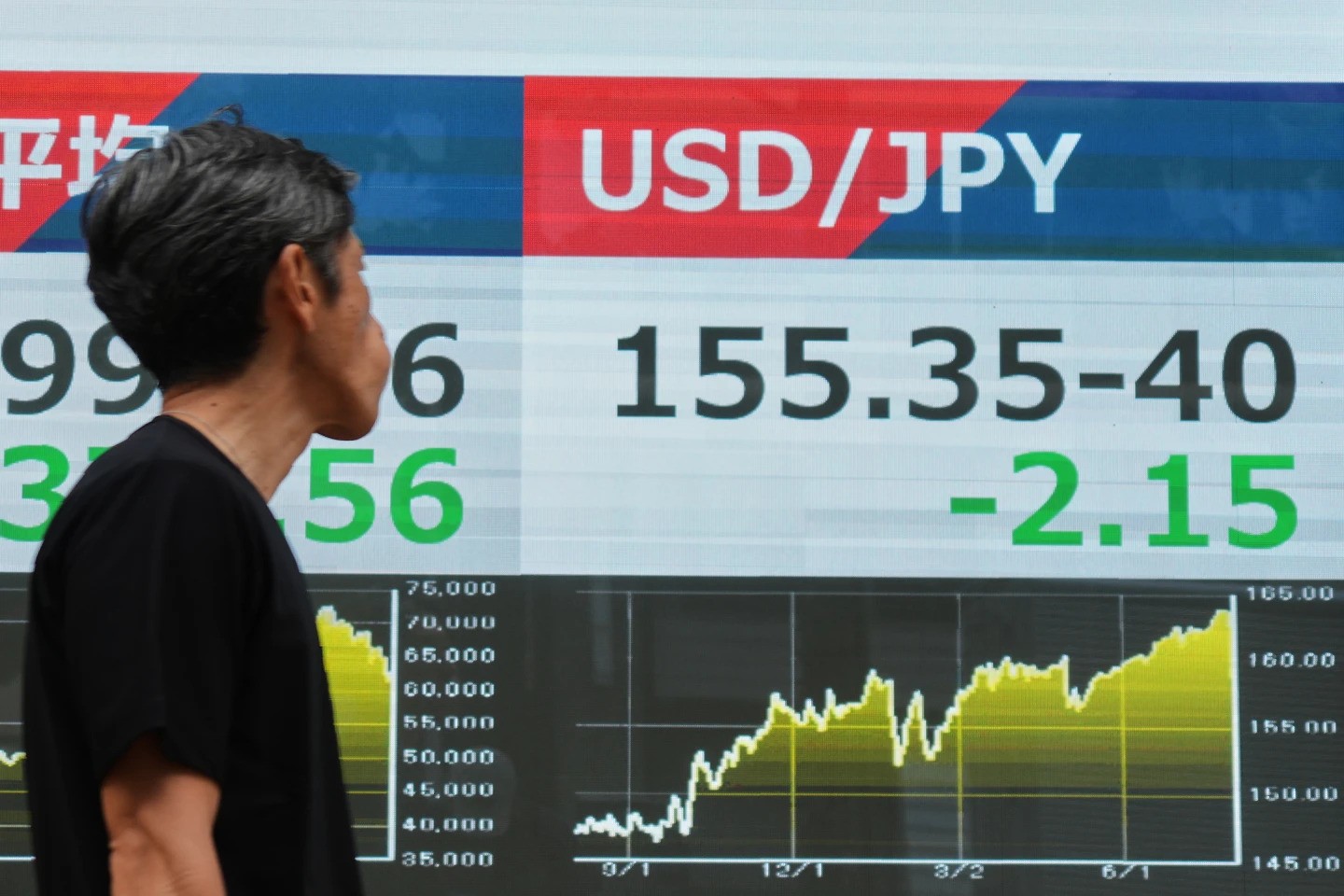
TEHRAN (Defapress) - In an unprecedented move in more than a decade, the United States and Japan jointly intervened in the currency market, with the United States buying $5 to $10 billion in yen to prevent the value of the Japanese national currency from falling. Before this move, the dollar had reached its highest level in 40 years, exceeding 163 yen, but after speculation and then official confirmation of the intervention, it fell to 156.34 yen.
US President Donald Trump, in a conversation with reporters, confirmed the move, calling it a "signal of friendship" and a useful step for the global economy; although he added, jokingly or ironically, that Japan has always had good relations with the United States, except during the historic Pearl Harbor incident.
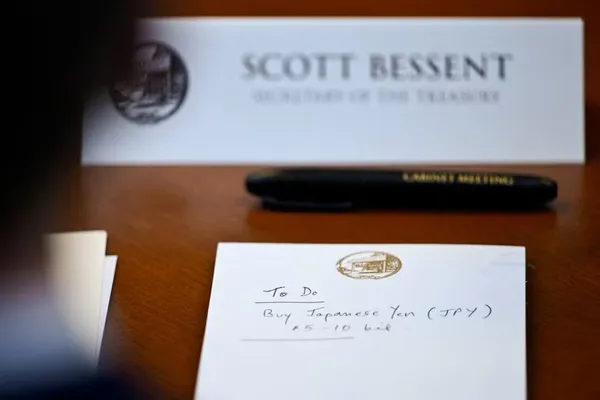
The decision followed Friday's move by the New York Federal Reserve and the US Treasury Department, in which Washington sold euros and bought yen on behalf of the Treasury. At the same time, Reuters published images of US Treasury Secretary Scott Besant's notebook at the Camp David summit, revealing details of the $5-10 billion yen purchase.
Japanese Finance Minister Satsuki Katayama confirmed in a statement that the currency purchases were made in full coordination with the US Treasury and followed up on a joint statement last year to counter severe market volatility. From an economic perspective, a weaker dollar increases the competitiveness of US exports, while a weaker yen, while helping Japanese exporters, has raised inflationary pressures and the cost of living in Japan due to the country's heavy reliance on imports.
Market analysts have also examined the dimensions of this joint intervention from various angles. Neil Newman, chief strategy officer at Japan Stress Advisory, said such public endorsements were rare, noting that the last such example was international cooperation after the 2011 earthquake and tsunami in Japan.
The yen’s weakness, of course, stems from Japan’s long-standing monetary policy, which kept interest rates at very low levels to combat the recession of the 1990s. Despite a slight rate hike by the Bank of Japan in 2024, the country’s interest rate gap with Western countries, which had raised rates sharply to curb inflation, remains wide, a situation exacerbated by the global rise in energy prices following the Iran war.
While Tokyo's previous unilateral interventions in the spring had short-term effects, experts such as Shusuke Yamada of Bank of America believe that joint intervention with the United States could be more effective, although most analysts see currency interventions as a temporary time management tool rather than a root cause of the problem.
Overall, although this joint action represents the two countries' monetary tools to contain severe currency fluctuations, experts emphasize that the stability of the yen's value in the long term depends more on the reform of Japan's monetary structure and the global interest rate gap, and currency intervention alone cannot fully address the challenges of economic fundamentals.
