
Great Mystery of West Asia: Abduction of Imam Musa Sadr
TEHRAN (Defapress) - Forty-six years have passed since those final days of the summer of 1978, days when Imam Musa al-Sadr, the leader of Lebanese Shia and founder of the Amal Movement, set off for Tripoli, West Libya, to meet with Libyan officials. He was scheduled to travel to the country on August 29, 1978, at the official invitation of Muammar al-Gaddafi, accompanied by two of his companions: Sheikh Mohammad Yaacoub and the journalist Abbas Badreddine. The meeting with Gaddafi was set for the second day of the trip. However, outwardly, that meeting never took place.
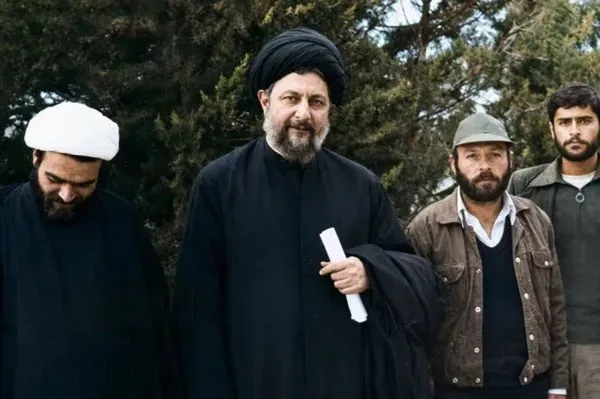
Imam Musa al-Sadr was born on June 4, 1928 in the holy city of Qom into a clerical family of the Sadr Sadat lineage. His father, Ayatollah Sayyid Sadr al-Din al-Sadr, was a Marja', and his maternal grandfather was Ayatollah Sheikh Abdul Karim Haeri, the founder of the Qom Seminary. He completed his seminary studies in Qom and Najaf under masters such as Imam Khomeini, Ayatollah Borujerdi, Allameh Tabatabai, and Martyr Sayyid Mohammad Baqir al-Sadr, while simultaneously earning a doctorate in economics from the University of Tehran.
In 1959 (1338 AH), Imam Musa al-Sadr traveled to Lebanon at the invitation of a group of Shia in the country and settled in the city of Tyre. In a short period of time, he became a cross-sectarian figure and managed to organize the Shia community of Lebanon, which had previously lived on the margins and in deprivation.
Founding of the Supreme Islamic Shia Council and the Amal Movement
The most significant action of Imam Musa al-Sadr in Lebanon was the establishment of the Supreme Islamic Shia Council in 1967. Elected as its first president, he succeeded in shaping the political and social identity of Lebanese Shia. In 1974, he also founded the Amal Movement as a military and political organization to defend Shia rights.
Combating Poverty and Discrimination
During his time in Lebanon, Imam Musa al-Sadr implemented extensive infrastructural and social projects for the impoverished regions of southern Lebanon. He built schools, hospitals, and technical-vocational centers, and by establishing centers for the education of underprivileged boys and girls, he took effective steps toward empowering the Shia community.
Final Meetings and the Mysterious Trip to Libya
In 1977 and 1978, Imam Musa al-Sadr was at the peak of his power and influence in Lebanon and the Arab world. He held meetings with leaders of various countries, including Muammar al-Gaddafi in Libya. On the eve of the victory of the Islamic Revolution of Iran, tensions arose in his relations with Gaddafi.
Historical evidence shows that Gaddafi issued an official invitation for Imam Musa al-Sadr to visit Libya, and Sadr departed for Tripoli on August 31, 1978. On the first day of the trip, he held a meeting with the Minister of Interior and Libyan officials and held a press conference. It was arranged that he would meet with Gaddafi on the second day, but this meeting never took place.
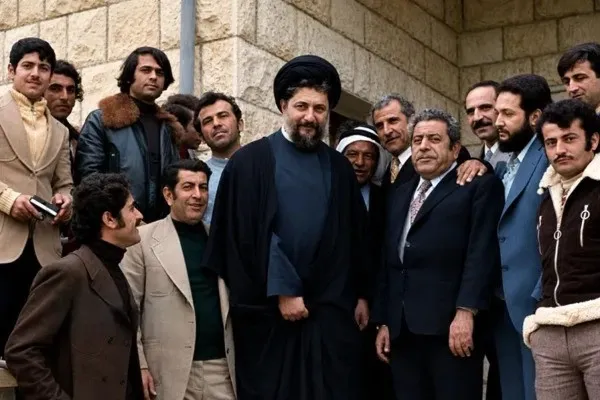
On September 4, 1978, Imam Musa al-Sadr and his companions were seen alive for the last time. The news of his abduction was immediately reflected widely in Lebanon and Iran. The Libyan government claimed that Imam Musa al-Sadr had departed Tripoli for Rome on an Italian airline flight on September 2, 1978; however, Rome airport documents refuted this claim. No incoming flight with the name of Imam Musa al-Sadr and his companions was registered on September 2, and his companions' passports were found inside their bags at the hotel.
Global Reactions and Ongoing Pursuits
Following the abduction of Imam Musa al-Sadr, a widespread wave of protests erupted in Lebanon and Islamic countries. Religious and political leaders from across the world demanded his release. Imam Khomeini also issued numerous messages demanding clarification on the fate of Imam Musa al-Sadr.
In subsequent years, the governments of Iran and Lebanon repeatedly pursued the issue of the abduction of Imam Musa al-Sadr in international forums. In 2007, a group of Iranian and Lebanese jurists raised the abduction case in European courts, particularly in Italy. The Italian government, as the destination country of Libya's alleged flight, also launched an investigation, and finally in 2010, an Italian court found Muammar al-Gaddafi and several Libyan officials guilty of abducting Imam Musa al-Sadr.
Various Theories Regarding the Fate of Imam Musa al-Sadr
After 46 years, the fate of Imam Musa al-Sadr remains shrouded in ambiguity. Several scenarios have been proposed regarding his whereabouts and destiny:
Some sources believe he is held in Libyan prisons in the Sabha region in the south of the country.
Others believe he was killed on the orders of Muammar al-Gaddafi and his body was buried in the Libyan desert.
A third theory suggests he was transferred from Libya to an unknown location by foreign agents.
Latest Developments
In recent years, especially after the fall of the Gaddafi regime in 2011, hopes for discovering the fate of Imam Musa al-Sadr increased. Some former Libyan prisoners claimed they saw Imam Musa al-Sadr in Libyan prisons. In 2017, the fact-finding committee of the Organisation of Islamic Cooperation announced that evidence of Imam Musa al-Sadr being alive at the time of Gaddafi's fall had been obtained. However, no definitive proof has been presented thus far.
Imam Musa al-Sadr has transformed into a symbolic figure not only for the Shia of Lebanon but for all Muslims and freethinkers throughout history. His comprehensive personality recognized simultaneously as a cleric, a political leader, a social activist, an economist, and a freedom fighter has made him a rare figure in the Islamic world. The enigma of Imam Musa al-Sadr remains one of the most complex political and legal cases in West Asia.
