

First Court Session to Hear Lawsuits filed by families of martyrs of the 12-Day Imposed War
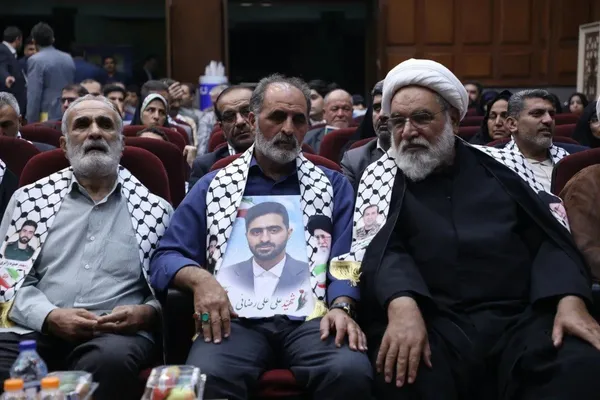
TEHRAN (Defapress) - The first court session addressing the lawsuit filed by more than 350,000 victims and affected individuals of the 12-Day Imposed War opened this morning at the Imam Khomeini Judicial Complex, presided over by Judge Majid Hosseinzadeh and attended by judicial officials, plaintiffs, and their legal counsel. Focusing on the review of over 110 filed petitions, the court aims to establish legal and criminal liability, issue a joint and several condemnation ruling against the U.S. government and leaders of the Israeli regime, and secure compensation for material, moral, and punitive damages resulting from the military aggression.
At the opening of the session, the presiding judge affirmed that the right to seek justice is an indisputable and inalienable right for all Iranians, detailing the internal courts' legal jurisdiction. Citing the principle of reciprocity alongside relevant domestic legislation, including the Law on the Jurisdiction of the Judiciary of the Islamic Republic of Iran for Hearing Civil Cases Against Foreign States, the Law Compelling the Government to Pursue Compensation for Damage Caused by U.S. Actions, and the Civil Liability Law, Judge Hosseinzadeh emphasized that the judiciary is obligated to adjudicate damages arising from the violation of the nation's territorial integrity and national sovereignty.
As the proceedings continued, legal counsel for the plaintiffs outlined various legal and technical aspects of the acts of aggression. Hamidreza Mohammadi, representing the plaintiffs, cited military strikes on the country's peaceful nuclear facilities in Natanz, Fordow, and Isfahan, characterizing these actions as clear violations of Paragraph 4, Article 2 of the UN Charter and Article 56 of Additional Protocol I to the Geneva Conventions regarding the prohibition of attacks on works and installations containing dangerous forces. Furthermore, attorney Hadi Norouzi highlighted the targeting of critical infrastructure, including the Rey and Shahran oil depots, gas refineries, and civilian facilities such as hospitals and the state broadcaster, deeming these strikes explicit violations of the principles of distinction and proportionality under international law.
Another segment of the hearing was devoted to testimonies and statements from survivors and representatives of the victims. The brother of martyr Dr. Seyed Mohammad Reza Sedighi-Thabat, along with spouses and fathers of other martyrs, recounted the human toll of the events, including the martyrdom of 12 members of a single family in Astaneh-ye Ashrafiyeh and the deaths of children and students, demanding decisive judicial action. Sara Fallahi, a member of the Islamic Consultative Assembly, rejected the defense claims made by the opposing powers, stressing the necessity of issuing deterrent verdicts, establishing an independent fact-finding committee, and pursuing full reparations through domestic and international tribunals. Following the official recording of testimonies and evidence, the court continues its review of the case.
