

Purpose of Al-Zaidi's Visit to Tehran: Redefining Iraq's Position in Regional Equations
TEHRAN (Defapress) - Ali Al-Zaidi's visit to Tehran and his meeting with high-ranking officials of the Islamic Republic of Iran, at the current critical juncture in the region, have had widespread repercussions in political and media circles. This visit is taking place at a time when developments in West Asia are changing at an unprecedented pace, and bilateral consultations between Tehran and Baghdad have become of particular importance. Observers assess this visit as part of efforts to strengthen political and security coordination between the two countries. Also, the dimensions of this visit could have an impact on regional equations and the course of future interactions.
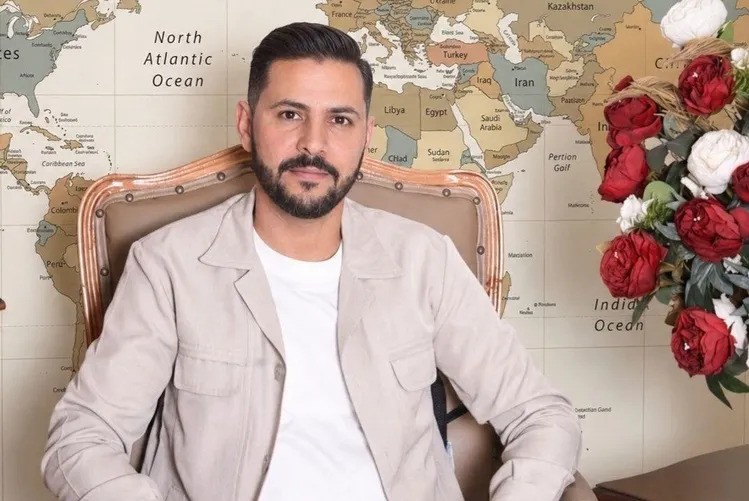
In this regard, the Defapress correspondent had a conversation with Dr. Ahmed Al-Araji, an expert on international relations in Iraq, the details of which are reported below:
At the beginning of his speech, he said: Al-Zaidi's visit to Tehran should not be considered a mere ceremonial and transitory event, but rather it should be considered part of Iraq's policy to redefine its position in the region. Baghdad knows very well that geography does not allow it to adopt a policy of severing ties with any of its neighbors.
Al-Araji added: This trip reflects an effort to consolidate Iraq's role as a country that enjoys independence in decision-making and interacts with all parties from the perspective of national interests, not based on dependence on a specific political axis.
This expert on international and regional relations in Iraq continued: “Iraqi-Iranian relations have entered a stage that requires more than slogans, but institution-building. The stability of each side has a direct impact on the other, and the common issues have become too big to be managed with partial and immediate reactions. Therefore, these meetings emphasize that direct dialogue remains the most rational option for addressing pending and unresolved issues, even though regional challenges are different and complex.”
Al-Araji stated: “This trip is not going to change the balance of power overnight, but it can revolutionize the way crises are managed. In a region that is facing an accumulation of crises, maintaining channels of dialogue is an achievement in itself.” If Iraq can take advantage of its balanced relations with various parties, it may transform from a country that is merely affected by developments to an actor that plays a role in containing some of the consequences of these developments.
According to him, this visit undoubtedly had a symbolic aspect, but it was not the main essence of this trip. Official visits should be measured by the amount of results they create in the form of new paths, not simply by the number of visits or official images. If this trip is accompanied by implementation mechanisms and achievable agreements, it could be the beginning of a more practical phase in bilateral relations, but if its results remain at the media level, then it will become a trip whose political value exceeds its implementation value.
The Iraqi expert emphasized: In the short term, this trip is expected to give momentum and positive energy to political dialogue and coordination on common files and reduce the intensity of some differences through direct communication. But in the medium term, the success of this trip will be measured by the ability of both sides to translate understandings into real projects, especially in the areas of economy, transportation, energy, and security. If this is achieved, the relations between the two countries can move from the stage of crisis management to the stage of building sustainable interests, a development that is considered the most important turning point in any relationship between two neighboring countries.
