

Erosion of the US Terrorist Army's Defensive Shield
TEHRAN (Defapress) - In recent months, the depletion of U.S. interceptor missile stockpiles has become one of the foremost concerns within American military and security circles. Reports published by the CSIS (Center for Strategic and International Studies) indicate that the heavy reliance on missile defense systems to counter Iranian attacks has placed unprecedented strain on the U.S. defense arsenal. Furthermore, replenishing these stockpiles will be highly time-consuming due to limited production capacity.
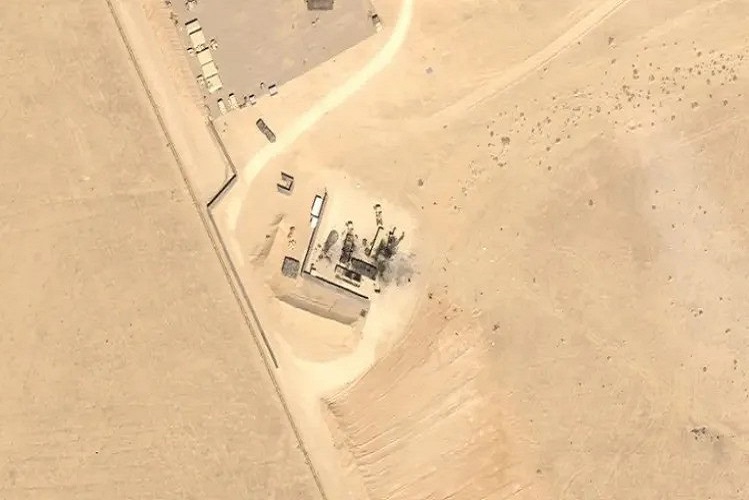
According to these assessments, the THAAD system has sustained the most significant damage. Designed to intercept ballistic missiles outside the atmosphere, THAAD represents one of the most critical layers of U.S. missile defense. The report states that before the conflict, the U.S. possessed an estimated 452 to 534 THAAD interceptors, of which between 190 and 290 were expended during operations. Consequently, current inventory has dwindled to approximately 240 units. At an annual production rate of about 96 missiles, returning to pre-war stockpile levels would take nearly five years.
The situation regarding naval SM-3 missiles is not markedly different. These missiles, employed by U.S. warships to intercept ballistic missiles, had pre-war inventory estimates ranging from 410 to 414 units, with 80 to 120 having been expended. Currently, only about 290 to 330 of these missiles remain. With an annual production of 60 to 70 units, full replenishment would require approximately four years.
Elsewhere in the report, SM-6 missiles are addressed. This system, in addition to engaging aircraft and cruise missiles, also possesses the capability to intercept certain ballistic missiles. Estimates suggest that the U.S. had around 1,160 SM-6 missiles before the conflict, with a maximum of 250 expended. Given an annual production rate of 125 to 150 missiles, replenishing these stockpiles would take between two and three years.
However, the most critical section of the report is devoted to the Patriot system, the mainstay of U.S. missile defense at regional bases, for the Israeli regime, and in Ukraine. According to this evaluation, the U.S. possessed approximately 2,330 Patriot missiles before the war, of which between 1,060 and 1,430 were expended during the hostilities. As a result, current inventory has fallen to around 1,270 units. Despite an annual production rate of about 620 missiles, returning to pre-war levels would take roughly four years. This has rendered the Patriot system one of the most sensitive vulnerabilities in U.S. air defense.
This drawdown is not merely a technical issue; it has had a direct impact on Washington's political and military decision-making. According to U.S. media reports, one of the primary reasons for the temporary halt in escalating strikes against Iran has been concern over the continued depletion of interceptor missile inventories. Reports indicate that military commanders have warned that, should the conflict expand and the volume of Iranian missile attacks increase, U.S. defensive capabilities would face severe pressure, raising the likelihood that some attacks would penetrate defense systems.
