
UK King on the Brink of Overthrow and Regime Change
TEHRAN (Defapress) - In the turbulent world of politics and society, the UK royal family is facing one of its greatest crises. This crisis, which has its roots in the criminal behaviour of a prominent member of the family, has not only questioned his personal credibility but has also shaken the foundations of the monarchy. King Charles III, who considered his reign short and challenging, is now facing a harsh reality that he could not have imagined even before his diagnosis.
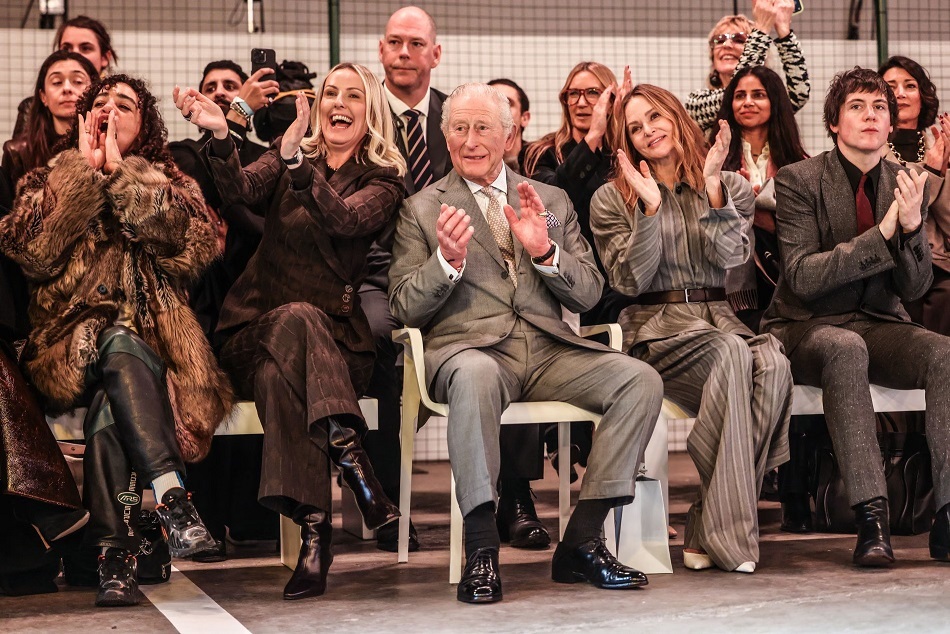
King Charles III attended London Fashion Week, which was probably the last place he wanted to be. Charles III always knew his reign would be short, even before his illness, but he never imagined that his brother’s scandal would turn everything upside down.
Thursday has been described as one of the most impactful and damaging days for the royal family in centuries, perhaps comparable to the 1688 Revolution or the capture and execution of King Charles I in 1647 and 1649. It is arguably more serious than Diana’s death and more threatening than the abdication crisis of 1936, because it directly challenges the institution of the monarchy.
The crisis surrounding Andrew, the king’s brother, is not just about to end in a week or two, but continues to raise questions that go beyond his criminal behaviour. These questions extend to broader aspects of the UK monarchy, such as finances, privacy, lack of accountability, and so on.
If King Charles had warned their mother about his brother’s appointment as a trade representative in 2001, why did it take so long to stop it? The palace must have been aware of Andrew’s spending sprees, abuse of power and brash behaviour, which have been widely reported in the media for years. Were the royal family’s staff and protection officers unaware of his other inclinations?
Queen Elizabeth knew full well that the king’s primary duty was to preserve the monarchy for his successors. Yet she seems to have protected her favourite son and even paid off some of the debts that have become a dark legacy for Charles.
Now, every gradual step that has been taken, such as the removal of public duties, military ranks, peerages and expulsion from the Royal Lodge, seems too late and insufficient. Had it been taken sooner, it might have been able to stem some of Andrew’s flood of mistakes.
In a statement released after his brother's arrest, King Charles said: "My family and I will continue to serve you all." Charles III tried to keep up appearances by attending a fashion show while Andrew was in custody.
The king's insistence that the law must take its course was the least he could say in the circumstances. Charles III is caught in the trap of social media and cannot even shield his brother from prosecution, as previous monarchs have done.
If the case goes to trial, Andrew will appear in court before a judge sitting under the royal crest. If convicted and imprisoned, he will serve time at Her Majesty's pleasure. Of course, that is still a remote possibility.
While the King was at the fashion show, her mind was probably a hundred miles away, at Sandringham, where her brother was arrested at Wood Farm in Norfolk by plainclothes police officers at 8 am. He is suspected of misconduct in public office, allegedly for passing on confidential information about business opportunities, allegedly collected for the UK government.
Investigations into crimes that are difficult to prove usually take months or even years, and this one is likely to be no exception. In such cases, lower-ranking executives or ordinary police officers are usually responsible for the investigation, but for a case like this, not just anyone can follow it up.
Andrew was arrested at Wood Farm in Norfolk by plainclothes police officers at 8 am. He spent most of his 66th birthday at Aylsham police station, questioned by detectives on suspicion of misconduct in a public office and leaking confidential information about business opportunities.
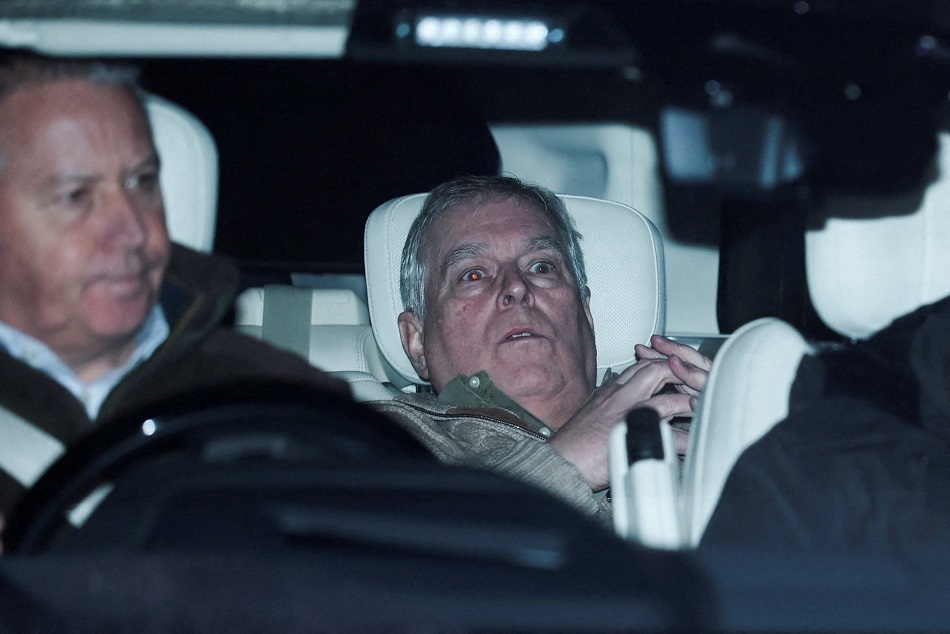
When he was released in the early evening and returned to the farm, he looked shocked and frightened, his eyes red in the camera flash, as he tried to sit as low as possible in the back seat of the car.
Of course, we will never know what thoughts were going through Andrew’s mind at that moment. But it must have been painful and bitter for him to see so many of the claims he made in his controversial 2019 interview with Emily Maitlis, the very one he thought was so successful, now one after another, with the release of the Epstein documents, proven false.
Not only had he not cut ties with Epstein, but he knew him well. He knew Virginia Giuffre, too. It’s no wonder he was breaking into a cold sweat. Had he even been to Pizza Express in Woking that night?
One of the interesting and surprising aspects of the scandal is the different impact it has had on both sides of the Atlantic. While in America it has been more of a political stunt, in England it has become a constitutional issue. It may be the first time that American lawmakers have praised the UK police and judiciary.
The only person to have been convicted in the case so far – Ghislaine Maxwell – is a UK citizen, while Donald Trump insists time and again that he has been completely exonerated. As if the repetition of this claim makes it more real to him.
Beyond all this, there is one important and still unanswered question: what happened to the young women trafficked by Jeffrey Epstein? Some of them were allegedly brought to the UK on private jets to meet Andrew.
If the claims are true, what happened when that plane and its passengers landed at Stansted and Luton airports? Did border officials carefully check passports? Did they ask the usual questions, such as “Where will you be staying?” or “What is the purpose of your trip?”, or did they simply let you in and do nothing?
Former Prime Minister Gordon Brown wrote letters to several police forces last week calling for a full investigation. But at the time, no one further down the chain, at the airports or in the relevant institutions, seemed to notice or show any interest in following up.
Now, let’s look at Andrew’s situation: He is still eighth in line to the UK throne and legally remains a Counsellor of State, meaning that, in theory, he could be one of the people to temporarily take over the monarch’s duties if the monarch were to fall ill or be away on a foreign trip.
In practice, of course, neither of these situations will ever happen to him. His accession to the throne would require the highly unlikely and tragic scenario in which King Charles and the next seven in line (Prince William and his three children: George, Charlotte, and Louis; and Prince Harry and his two children: Archie and Lilibet) all predecease him. That’s why senior members of the royal family don’t usually travel together by air, to minimise the risk of such an occurrence.
Similarly, no one will want Andrew to carry out any royal duties at this time. However, the issue remains. The Palace had previously made a big fuss about how difficult it would be to remove Andrew from his titles and positions, but once the will was there, it was easy to do. So, if necessary, removing him from the line of succession, even if it required a bill to be passed by Parliament, could proceed relatively quickly and without major obstacles.
The UK Kingdom Palace always closely monitors public opinion polls to gauge the popularity of the monarchy. Recent results show a decline in public support for the monarchy. According to an Ipsos poll, 25 percent of Britons now believe that abolishing the monarchy would be better for the country.
This is up about 10 percentage points from 10 years ago. Also, when asked if the monarchy would still exist in 50 years, about 50 percent said no.
Even those who remain staunch supporters of the monarchy, when discussing the current situation, say with concern that they hope that this scandal will not seriously damage the throne. Very few feel sympathy for Andrew; instead, most people believe that he himself has created these problems for the family and the institution of the monarchy.
For now, the foundations of the monarchy are shaky, and all hope is in Prince William. People, especially the older generation, continue to enjoy the splendor of parades, state ceremonies, and street parties, but another serious scandal could bring the royal family closer to the end. The era of unquestioning deference and blind obedience is over, and now is the time for accountability and transparency.
