
Macron's Tax Revenues Fall After Blocking the Strait of Hormuz
TEHRAN (Defapress) - The sharp increase in fuel prices following the regional war with Iran and the blocking of the Strait of Hormuz by Iranian armed forces has not only put more pressure on French household budgets but has now also become a serious threat to the tax revenues of the French government.
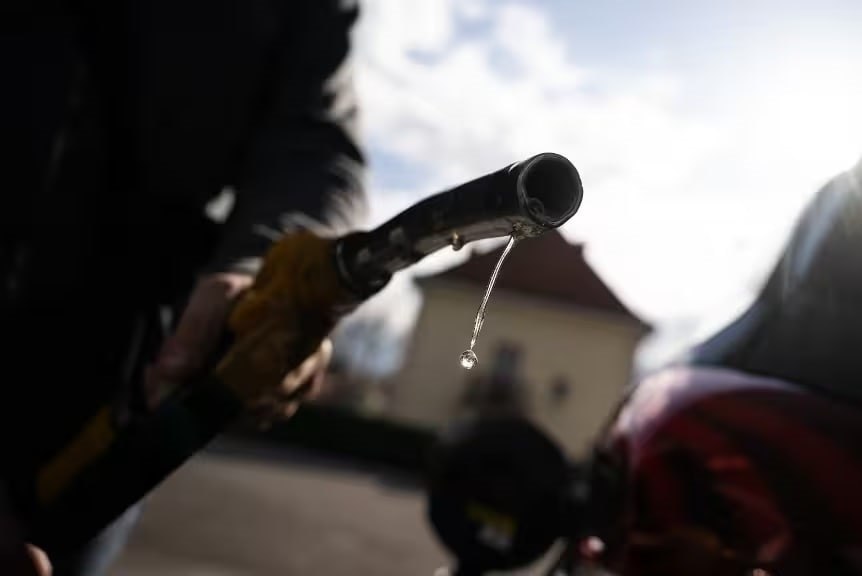
According to published statistics, the French government lost about 300 million euros in tax revenues in the first ten days of May alone due to reduced fuel consumption. This drop in revenue is a direct result of the increase in gasoline and diesel prices in recent weeks.
In response to the high fuel prices, many French citizens have changed their way of traveling. Less use of private cars, more inclination towards public transport, carpooling, teleworking, and train travel are among the solutions that people have adopted to reduce their costs.
The French railway company also announced that the number of train ticket reservations has increased by about 14% in recent weeks. As a result of this behavior change, fuel consumption has decreased by about 30% in the first ten days of May, a decrease that has had a direct impact on government tax revenues.
In France, a significant part of the price of fuel is made up of taxes such as VAT and special taxes on petroleum products. For this reason, any reduction in fuel sales directly leads to a reduction in government revenues.
At the beginning of the crisis, some officials thought that increasing fuel prices could generate additional tax revenue for the government, an issue that even led to discussion of the formation of a “tax treasury”.
The government initially denied any additional revenue, but later admitted that at the beginning of the crisis, around 190 million euros had been generated as people rushed to buy fuel before prices jumped. However, the situation has now completely changed. The sharp drop in consumption has given way to a significant deficit, pushing the government’s public accounts into negative territory.
Experts warn that if the war continues and fuel prices remain high, the revenue shortfall could become much larger.
The situation has put a lot of pressure on the government of Prime Minister Sébastien Le Corneaux. So far, the government has only provided limited and temporary aid to some affected businesses, but Le Corneaux has promised to provide more extensive support packages soon. However, the main question is where the funds for this support will come from.
A few weeks ago, the French government estimated that the war has cost the country around 6 billion euros so far; That figure includes rising military spending and the cost of public debt due to rising interest rates. But officials now fear the true cost of the crisis could be much higher.
Economists also warn that the drop in fuel consumption could be a sign of a broader slump in consumption in the economy. A drop in travel usually means fewer purchases and a drop in economic activity, which is worrying for an economy like France, where household consumption is the main engine of growth.
In such circumstances, the risk of a prolonged recession and near-zero growth, similar to the first quarter of the year, has increased more than ever, and the government’s goal of reducing the budget deficit to less than 5 percent of GDP by 2026 seems more out of reach than ever.
