
Call for General Mobilization of Ansar Allah in Yemen
TEHRAN (Defapress) - Unprecedented field movements and weapons in Yemen in recent days have put the country on the brink of a full-scale military conflict and ground confrontation after months of relative calm. Following the continuation of the economic blockade, the plundering of energy resources by the Saudi coalition, and a complete stalemate in the process of paying salaries to government employees, the leader of Ansar Allah has declared a "General Mobilization" order, placing hundreds of thousands of tribal forces and the Yemeni army on full military alert.
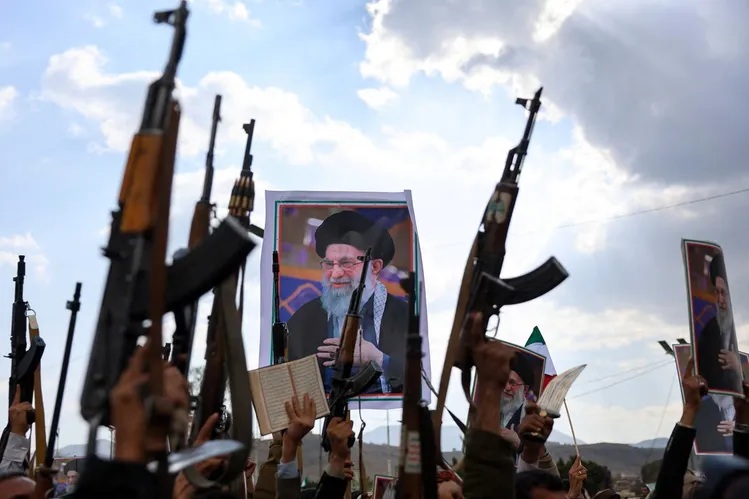
On the other front, the affiliated forces of the Aden government and the tribes supported by Saudi Arabia, realizing the seriousness of the threats from Sanaa, have intensified their military movements on the lines of contact, especially in the strategic area of Al Rayyan in the east of Al-Jawf province and the Marib fronts; a situation that indicates the de facto defeat of the "no war, no peace" period.
The core of these developments goes back to the clear speech and final argument of Sayyid Abdul Malik Al-Houthi, the leader of Ansar Allah. Sanaa officials insist that the Saudi-led coalition has used the fragile ceasefire period to buy time, consolidate the occupation, and impose a war of attrition on the Yemeni people.
The key point of the current crisis is the coalition’s refusal to pay about $13 billion in arrears of public sector employees (from Yemen’s own customs and oil revenues, which are deposited in the National Bank of Saudi Arabia) and to fully reopen Sanaa airport and the port of Hodeidah. The Sanaa government has made it clear that it will no longer tolerate the plundering of the country’s oil and gas resources by forces backed by Riyadh and Abu Dhabi while the people are under economic siege, and that military options are on the table to assert these rights.
In response to this impasse, Sanaa issued a decree entitled “General Mobilization,” which was widely welcomed by the “Yemeni Tribal Solidarity Council.” In recent days, heavy military maneuvers and large armed gatherings have been held in the provinces of Sana'a, Al-Hodeidah, Dhamar, Hajjah and Amran.
Field reports indicate the arrival of heavy weapons to the front lines of the battle. On the opposite front, the Hadhramaut Tribal Alliance and the military highways affiliated with the Southern Transitional Council and the Islah Party have withdrawn their forces from defensive networks and deployed them in the strategic area of Al Rayyan in eastern Al-Jawf province to create an offensive-defensive barrier.
International analysts point out that Ansar Allah's insistence on its conditions is rooted in the need to consolidate Yemen's national and sovereign achievements. While Western media outlets are talking about regional diplomatic understandings (such as the draft Islamabad MoU between Iran and the United States to reduce tensions), Yemen’s Supreme Political Council has announced that it will not accept any understanding or international formula without a complete lifting of the siege, the withdrawal of all foreign forces from Yemeni soil and islands, and the payment of salaries from national revenues. On the other hand, media outlets close to Riyadh claim that their defensive movements in southern and eastern Yemen are organized with the aim of maintaining the balance of power and preventing the fall of the Al-Jawf and Marib fronts.
Finally, the economic battle imposed on Sanaa acts as the main catalyst for a possible confrontation. Given the unprecedented alignment on the northern borders and the Al-Jawf front, observers believe that diplomatic channels between Sanaa and Riyadh have reached their most sensitive state.
If Saudi Arabia and the coalition led by it do not take practical and immediate steps to implement humanitarian commitments and return oil revenues to the Yemeni people, breaking this deadlock through a comprehensive military operation will be certain and imminent.
