
Command in the Field of Reorganization: The Message of the New Orders of the Iranian Armed Forces
TEHRAN (Defapress) - Wars are not just a testing ground for weapons and equipment; sometimes their most important test is the command structure, the speed of decision-making, and the ability of a country to rebuild itself in the midst of a crisis. From this perspective, the war that began on February 27 last year was not simply a military confrontation; it was an attempt to deal a simultaneous blow to Iran’s command capacities, decision-making system, and national cohesion. The enemy entered the field with the idea of a quick victory, but the continuation of the Iranian resistance showed how far the initial calculations about the Islamic Republic’s capacities were from reality.
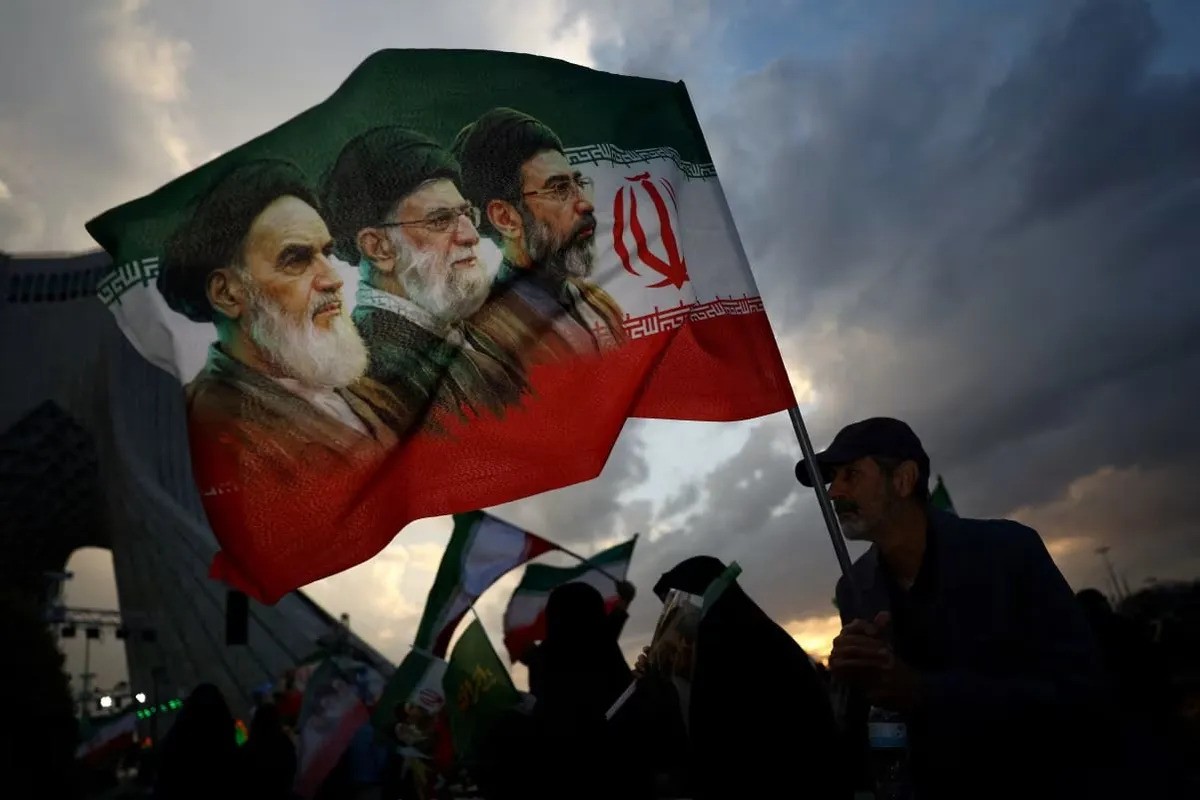
In such circumstances, the appointment of six senior commanders of the Armed Forces cannot be considered simply a management reshuffle or a change in the list of military officials. The importance of these decrees lies in the fact that they provide a picture of the new direction of the country’s defense structure; a picture in which the experience of the recent war has been linked to a review of organization, command, operational readiness, and even the way people participate in defending the country.
One of the most important axes of this reorganization is the attention to the command structure and coordination at the highest level of the Armed Forces. The emphasis on completing the process of integrating the General Staff of the Armed Forces and the Central Headquarters of Khatam al-Anbiya (PBUH) can actually be a response to one of the necessities of new wars: rapid, integrated, and precise decision-making. Today's threat is not formed from only one path and with one tool. Missiles and drones are placed alongside cyber operations, cognitive warfare, economic pressure, information operations and combined actions; therefore, the structure that is supposed to face such a threat must also be able to cross the traditional boundaries between different areas.
On the other hand, the new decrees show an important change in the view of the concept of defense. The emphasis on readiness to carry out powerful offensive operations against the enemy conveys the message that a defensive strategy does not necessarily mean waiting for an attack and then reacting. Deterrence will be more effective when the opposing side knows that if aggression begins, its cost could far exceed its initial predictions. In fact, offensive power is part of the logic of deterrence, because it forces the enemy to calculate the scope of a possible response before making any decision.
This change in approach must also be understood in the context of the experience of the recent war. The enemy entered the field with the idea that he could disrupt Iran’s command structure and defense capability with a heavy blow and then impose his political will through military superiority. However, the continuation of the war and resistance showed that disabling a few centers or eliminating several commanders does not necessarily mean the collapse of a structure. Effective defense systems must be designed in such a way that they can reproduce, repair, and organize themselves even in conditions of heavy blows.
However, one of the most important messages of these decrees is that defending the country is not solely the duty of military forces. New wars, unlike classic wars, do not have a clear boundary between the front and the rear. Part of the battle takes place in the media space, part in the arena of public opinion, part in the field of information, and part in the context of technology. Therefore, the emphasis on strengthening the public information network, training, skill development, and the use of new technologies can be seen as a sign of attention to "people-based defense," a concept in which society is not just a spectator of security developments, but is considered an active element in confronting threats.
Of course, this issue also carries an important requirement, which is increasing the level of public awareness. In hybrid warfare, a citizen who does not repost fake news, does not become passive in the face of psychological operations, and is vigilant about suspicious movements plays as much of a role in strengthening national security as many technical tools; therefore, strengthening social capital and public trust should also be considered part of the country's defense system.
In summary, the new orders of the Armed Forces Command can be assessed as part of Iran's defense reorganization process after the experience of the recent war; a reorganization that has three basic components: more integrated command, broader operational readiness, and more active participation of society. The main message of this trend is that future defense cannot rely on the models of the past. The threat has changed, and naturally the way it is met must also change.
At the head of this structure is a commander who has had the experience of being on the front lines of the Eight-Year Imposed War and years of close companionship and familiarity with the country's macro-decision-making processes. The importance of this issue lies, rather than being summarized in an individual characteristic, in the connection between war experience, understanding of strategic structures, and the responsibility of command in a situation where Iran's security is facing a series of simultaneous military and civilian threats.
The main issue now is not simply the appointment of new commanders; the real test is to what extent these changes can lead to increased decision-making speed, improved coordination, strengthened deterrence, and reduced vulnerability of the country to multi-layered wars. From this perspective, the new rulings should not be seen as the end of a change, but rather the beginning of a new phase of rebuilding and strengthening Iran's defense power; a phase whose results should be evident in the field of action and in the country's ability to prevent the enemy from repeating its miscalculations.
