
Hadid 110 Controversy in Erbil
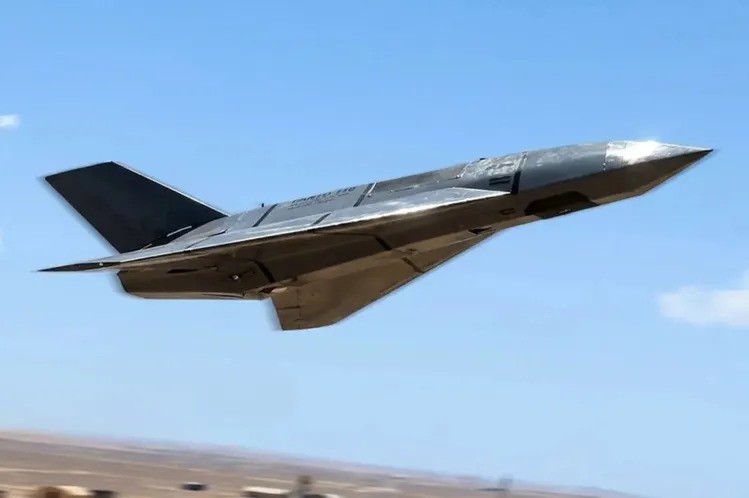
TEHRAN (Defapress) - On the morning of Monday, August 17, 2026, the silence of the Pirmam area on the outskirts of Erbil was broken by the explosion of two Hadid 110 suicide drones. This attack, which targeted the personal office and residence of Masrour Barzani, the Prime Minister of the Iraqi Kurdistan Region, opens a new chapter in security and diplomatic developments in the Kurdistan Region. Immediately after this incident, the regional authorities pointed the finger of accusation at Iran; a claim that was quickly denied at official diplomatic levels and met with a decisive response from Tehran.
Changing the Rules of Engagement
This action represents a substantive change in terms of the rules of engagement compared to previous events. While previous attacks have mainly targeted Kurdish opposition party bases or camps in border areas, targeting the headquarters of the region’s highest executive authority goes beyond a military action. Kurdistan Regional Government President Nechirvan Barzani condemned the attack and called on the Iraqi federal government to fulfill its sovereign responsibilities, a call that more than anything else reflects the crisis of trust between Baghdad and Erbil and the ineffectiveness of existing security structures in the face of cross-border threats.
Tehran’s Response
In the heated atmosphere following the attack, a phone call between Iraqi Foreign Minister Fuad Hussein and his Iranian counterpart Abbas Araghchi became the main channel for the exchange of views. While the Iraqi side had called for Tehran to take a stand, Abbas Araghchi explicitly declared his ignorance of the attack and condemned it, stressing that such behavior was unjustifiable.
Araghchi revealed a strategic reality on Monday night by posting a message on X: “Our Kurdish friends must be vigilant against false flag tactics designed to create discord among neighbors.” Recalling Iran’s historical support for the Iraqi Kurds during the Saddam era and in the fight against ISIS, he called the attack an attempt to create a rift in bilateral relations and emphasized that Iran benefits most from stability on its borders.
The drone attack comes at a time when Baghdad and the Kurdistan Region are in the midst of a critical transition from a weapons monopoly in the hands of the central government; an issue that has become a focal point of Iraq’s security developments as the September 30 deadline for disarmament and relocation of armed groups approaches. As Iran extends its hand of friendship to its neighbors and emphasizes regional stability, it is now the turn of Baghdad and Erbil to strengthen their sovereignty against real threats by responding intelligently and bypassing the media hype.
