
Bandibugyo: A New Era of US Biological Attacks on the African Continent
TEHRAN (Defapress) - In an unprecedented and preemptive move that underscores the staggering dimensions of a new biological crisis, the World Health Organisation has declared the outbreak of a rare and extremely virulent strain of the Ebola virus called Bandibugyo on the shared borders of the Democratic Republic of Congo and Uganda a “public health emergency of international concern.” Tedros Adhanom Ghebreyesus, the organisation’s director-general, made the strategic decision on Sunday, even before the agency’s emergency committee was due to convene, to speed up the international bureaucracy to control the dire situation.

The emergency declaration comes as the continent’s health system has been overwhelmed by the official announcement of 88 probable deaths and the identification of more than 300 suspected cases linked to the strain, with the head of the Africa Centres for Disease Control and Prevention (ADC) on “high alert and panic.” What makes this health crisis a complete nightmare is its genetic makeup.
The Bundibugyo strain, while among the rarest and least-known of the three Ebola strains, is currently the most uncontrollable because, unlike the well-known and endemic Zaire strain, there is no approved vaccine, approved treatment protocol or even a specific diagnostic kit for this particular strain. The virus is highly contagious and reproduces its human chain through contact with bodily fluids such as blood and vomit. This feature has recorded a terrible mortality rate in the context of deprived areas of Africa, which lack the vital infrastructure and intensive care units similar to those of rich countries.
Based on the analysis of epidemiological maps and the current epidemic, the main focus of these biological sleeping dragons is located in the eastern part of the Democratic Republic of the Congo, and specifically in the unstable and war-torn province of Ituri. This very remote area borders Uganda and South Sudan, and due to the five-day distance from the capital and the continued security lapses, logistical access to it is at least a dead end.
Health authorities initially traced the initial chain of transmission to this strain on April 24 and the infection of a nurse, but now, according to the latest laboratory-confirmed statistics, 80 probable deaths, 246 suspected cases and 8 laboratory-confirmed cases have been reported in this province alone.
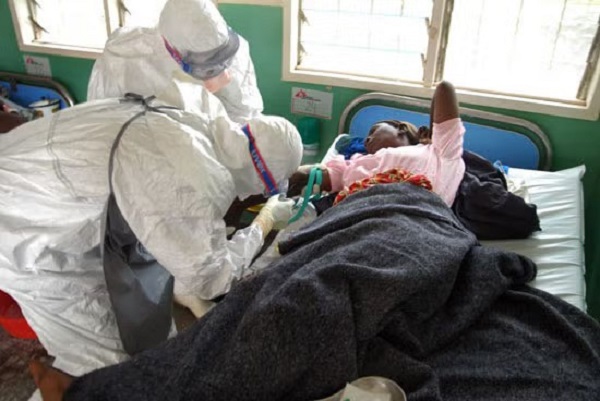
However, the invisible borders of the crisis were erased much more quickly than expected, and with the virus spreading to Kampala, the capital of Uganda, and two cases and one confirmed death among travellers returning from Congo, Ebola was effectively confirmed in the densely populated urban arteries. Although the World Health Organisation confirmed that a suspected case in Kinshasa (the capital of Congo) had tested negative, the identification of a new positive case in the densely populated and strategic metropolis of Goma, which is in the midst of armed conflict and controlled by the M23 militia, raised serious alarm bells for the entire region.
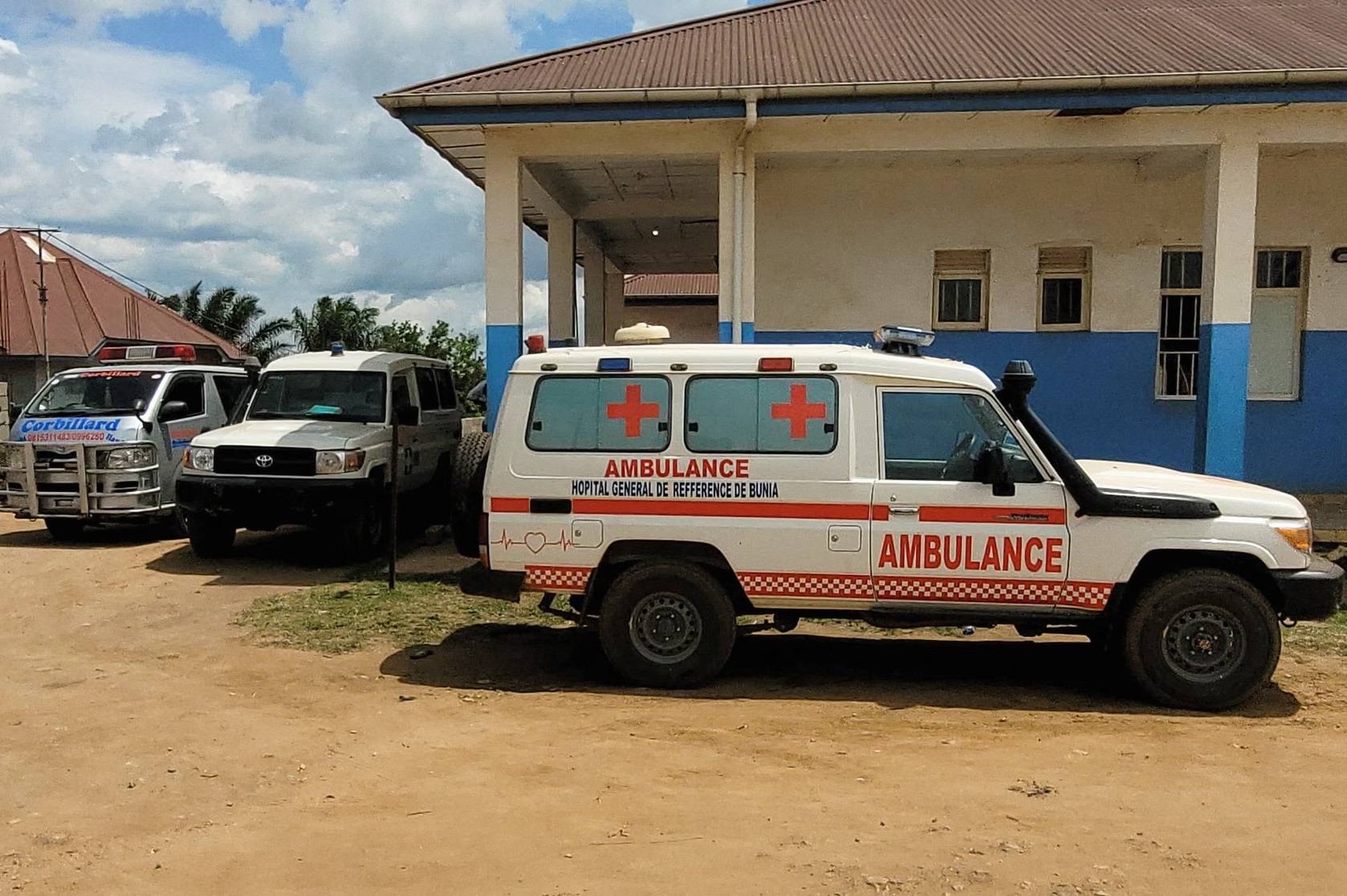
According to the Congolese National Institute for Biomedical Research, the new patient was in fact the wife of a man who had previously died of Ebola in Bunia. The woman, who had been secretly infected with the virus after her husband's death, travelled to Goma, effectively creating a new epicentre of the outbreak. These hidden movements have led the World Health Organisation to state that current figures are only the tip of the iceberg, with serious uncertainties about the true number of cases and the true geographical extent of the disease, with all the physical evidence pointing to a much larger outbreak with staggering regional risks.
The human tragedy is visible in the dark corners of everyday life for displaced people and indigenous people in the city of Bunia, the capital of Ituri province. Indigenous people in the area say with concern that the number of new graves has increased abnormally, with two, three or even more people being buried in a small neighbourhood every day, without the local health structure being able to tell them exactly what the killer is.
Absolute sanitation is rampant on this biological warfare front, with many informal and field clinics in the region lacking even the most basic infection control items, such as medical gloves and soap for basic handwashing. The ongoing armed conflict and the high density of displaced populations in marginal settlements have created ideal conditions for the virus to suddenly break the chain of transmission and spread.
This structural impasse prompted Dr. Jean Kaseya, director-general of the Africa Centres for Disease Control and Prevention (Africa CDC), to abandon his diplomatic mission to the World Health Assembly in Geneva and return to Africa immediately. He described the outbreak as a “major issue of global health justice,” and said that when African health systems run out of drugs and vaccines, the only response left is deep panic.
He also issued a stark warning to Western countries, reminding them that in today’s interconnected world with daily international flights, no country is immune behind its borders, and that the outbreak in Africa directly threatens the biosecurity of the entire world.
Although the UN health agency emphasises that this event has not yet met the technical criteria for a global pandemic, the declaration of a Public Health Emergency of International Concern (PHEIC) was made to channel the will, capital, and expertise of the international community towards this deprived region. In this regard, Helen Clark, former Prime Minister of New Zealand and co-chair of the Independent Panel on Pandemic Preparedness, praised the courageous and urgent action of the WHO management and emphasised that the world must respond to this crisis with speed and absolute solidarity, and in particular, deploy diagnostic capacities for this particular strain on the front lines.
At the same time, the U.S. Centres for Disease Control and Prevention (CDC) has begun the process of safely evacuating a small number of directly affected Americans in the region by formally activating its Emergency Operations Centre and is deploying additional experts and epidemiological teams to its offices in Congo and Uganda. On the other hand, African health bureaucrats are in intensive talks with leading pharmaceutical companies to evaluate the potential of vaccines, treatments, and diagnostic kits that are in the early stages of development and early laboratory phases. They hope to obtain emergency ethical and clinical clearances and deploy these experimental tools in the coming weeks to block the virus from penetrating the region’s fragile health infrastructure.
Thus, as the dimensions of this crisis go beyond a conventional medical challenge, the unique features of this outbreak, especially the anonymity of this particular strain, its sudden mutation in strategic areas, the lack of specific diagnostic kits, and the absolute helplessness of the international community in the face of it, have created deeper suspicions at strategic levels. This information and laboratory blockade, combined with the simultaneous occurrence of the outbreak with armed geopolitical conflicts in eastern Congo, has led some senior biosecurity analysts to believe that this event is not a natural phenomenon, but a “directed biological attack” or covert laboratory experiment against the African continent.
This pattern could be a precursor to a targeted epidemic slaughter, similar to what has been proposed in the dark scenarios of the coronavirus pandemic. According to this view, the engineered outbreak of Bandibugyo is not only a tool for rearranging the global population pyramid and forcibly controlling it in strategic areas, but also acts as an artificial and toxic stimulus for the stock market of the world's pharmaceutical giants to surge; a process in which a crisis is first created, after which the monopoly market for drugs, vaccines, and security protocols, at the cost of human lives, pours astronomical profits into the pockets of economic cartels.
