
Air Defense Is the Busiest Unit in the U.S. Terrorist Army
TEHRAN (Defapress) - Brigadier General William Parker, commander of the U.S. Army’s Air and Missile Defense in the Indo-Pacific region, stated at a military meeting in Hawaii: With the increase in tensions in the Indo-Pacific region, especially against China and North Korea, the importance of air and missile defense systems has increased significantly. The U.S. Army commander, with a humorous note, said that air defense forces were once not given much attention, but now they have become one of the most vital capabilities of the U.S. Army.
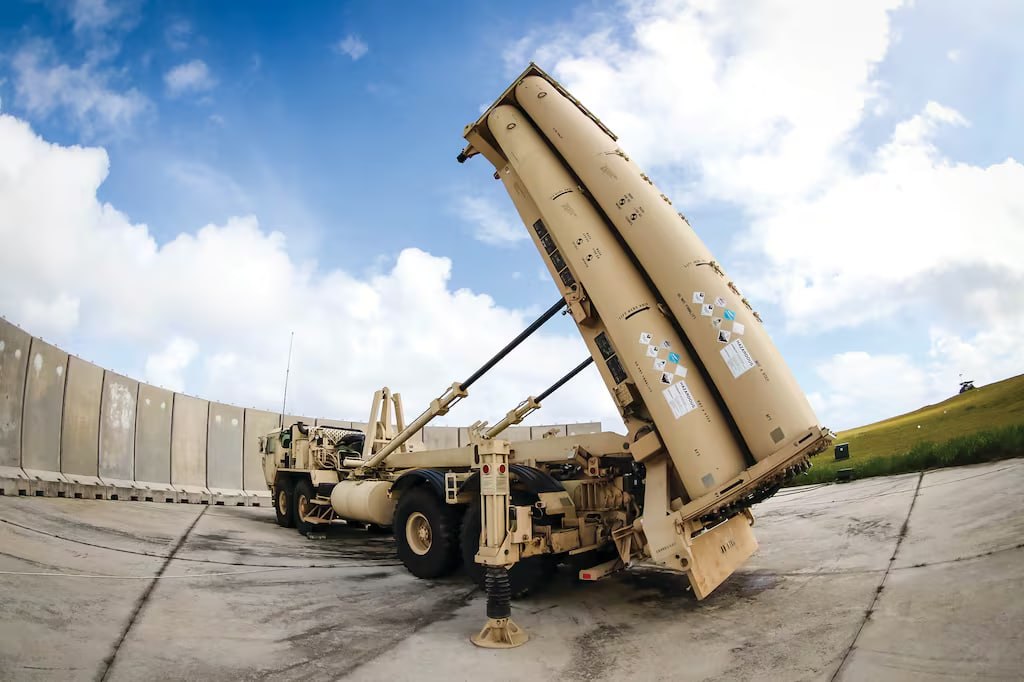
The Air and Missile Defense Command is responsible for protecting U.S. and allied forces, bases, and critical infrastructure from missile, drone, and air attacks across the vast Pacific region. According to Parker, the rapid growth of China’s military power over the past 10 to 15 years, especially in the missile and drone fields, has been a growing concern for Washington.
One of the most important new developments in this area is the use of the Integrated Air and Missile Defense Command and Control System, known as IBCS. This system connects a network of radars, sensors, interception systems, and command centers, allowing commanders to intercept various threats, including cruise missiles and drones, with greater flexibility.
Parker emphasized that this technology has reduced the U.S. military’s dependence on traditional systems such as Patriot radars and has put into practice the concept of “every sensor, every interceptor”; That is, any reconnaissance system can provide information to the best interceptor system.
Brigadier General William Parker also emphasized the importance of cooperation with regional allies, saying that the United States will not be able to defend the region without its partners. In this regard, the large-scale exercise "Balikatan 2026" was held with the participation of the United States, the Philippines, Japan, Australia, Canada, France, and New Zealand; an exercise that, according to American commanders, is a sign of increasing military coordination of allies against regional threats.
