
Influence of Turkish Military Industries in Europe
TEHRAN (Defapress) - Turkey's defense industries are going through exciting times. It seems that Turkey, which recently made headlines in the European press with the visit of the Queen of Belgium and her accompanying delegation, will make its name known again and again in the near future with cooperation, joint production, and integration with various countries on the continent.
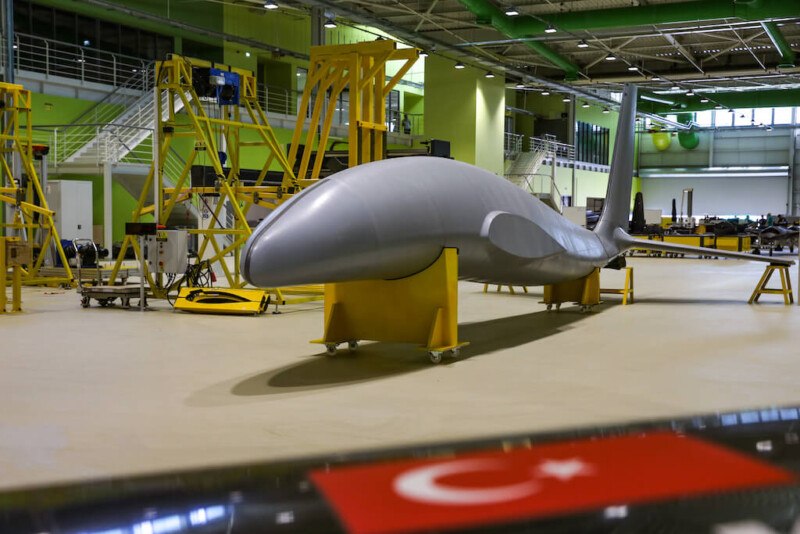
Although Europe's changing security architecture is a priority in this regard, the other side of the coin is also very crucial. European countries are currently far from being able to produce the platforms and systems they need. The relationship between Europe and the United States has also become darker after the regional war with Iran, which has partially blocked Europe's path to purchasing from the United States.
In such a situation, Turkey stands out both with the success of its platforms and with some of its production facilities and capabilities.
Defense industry expert Taha Yasin Akar says: "The structural blockage in meeting Europe's new defense needs and its production capacity can be resolved by Turkey. The cooperation between the Turkish and European defense industries, which has been based on land-based armored vehicles for years, will continue in the new period under very different titles. Turkey's defense and aerospace exports, which were about $7.1 billion in 2024, will exceed $10 billion in 2025. 56 percent of Turkey's total exports are directed directly to the European Union, NATO allies, and the US market.
The European Union's "SAFE" program, with a loan mechanism of 150 billion euros, acknowledges that 35 percent of the parts of products manufactured within the framework of joint procurement can be supplied from countries like Turkey. Categories such as drones, ammunition, air defense, and electronic warfare directly overlap with Turkish capabilities and fall within this framework.
Although official objections from Greece and the Greek Cypriot administration to Turkey’s full membership application continue, the search for rational cooperation in the Ankara-Brussels axis continues to guide the process.
At this point, Turkish companies are in a position to be co-producers, factory owners, and system installers. Turkey has moved beyond being a mere seller or supplier of the final product and is shaping its strategic position in the European defense market by establishing long-term industrial ties focused on employment and production with countries across the continent.
