

Washington Is Forced to Accept the Reality of Iran's Nuclear Program
TEHRAN (Defapress) - After the recent US-Israeli war against Iran, one of the most important questions raised in the Western political and media space was whether the military operation was able to push Tehran back from its nuclear positions. The answer to the field and political developments is clear; not only was this goal not achieved, but Iran’s view of the enrichment issue became more of a prestige, security, and strategic issue than in the past.
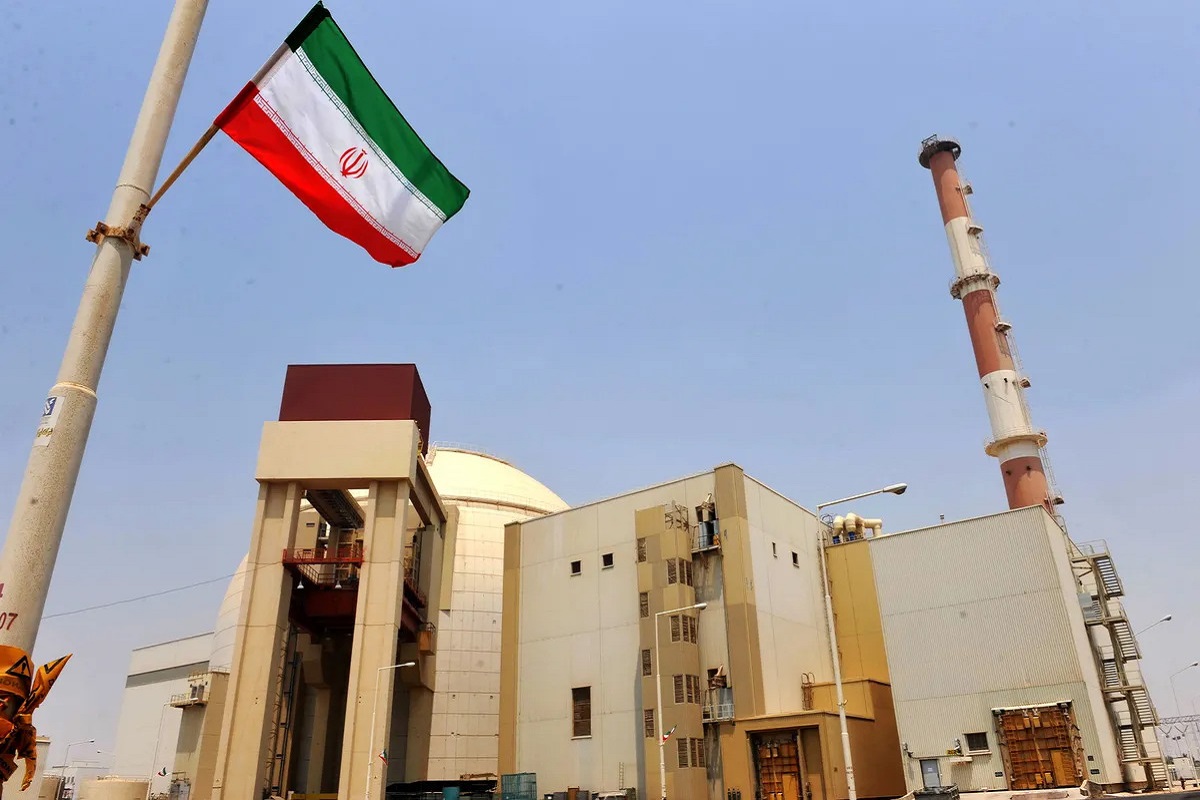
In fact, what Washington had been pursuing for years under the title of “zero enrichment” now seems more out of reach than ever. The experience of the recent war showed that military pressure does not necessarily lead to a change in Iran’s behavior. On the contrary, Tehran has viewed this pressure as a sign of the necessity of maintaining its strategic capabilities, and this has strengthened its domestic determination to continue its nuclear program.
From the perspective of the Islamic Republic of Iran, the US demand for the complete dismantling of enrichment capacity is not simply technical or regulatory, but has a political and security meaning. In Iranian political literature, “zero enrichment” is practically synonymous with complete surrender to external pressure, because Tehran believes that a country that is deprived of the right to enrich has in fact lost part of its strategic independence.
This view has caused the enrichment issue in Iran to go beyond the level of a technical file and become a symbol of political resistance and national independence. For this reason, any pressure to completely stop it not only does not cause a retreat but usually creates a reverse reaction. The experience of the past years has also proven this.
During the presidency of Barack Obama, Washington, after years of pressure and sanctions, finally concluded that it was not possible to reach an agreement without accepting the principle of enrichment on Iranian soil. The result of this political realism was the formation of the nuclear agreement known as the Joint Comprehensive Plan of Action (JCPOA), an agreement that, although it defined limitations on Iran’s nuclear program, also recognized Iran’s right to enrich.
In fact, the JCPOA was formed on the basis of an important principle: that it is impossible to completely eliminate Iran’s enrichment program and that only its level, extent, and framework can be negotiated. This was the reality that the Obama administration accepted and was able to shape a multilateral international agreement based on it.
However, with the coming to power of Donald Trump, this path changed. The US withdrawal from the JCPOA not only weakened the nuclear agreement but also laid the groundwork for the current crisis. The “maximum pressure” policy, which was designed to force Iran to back down, actually backfired, as Iran gradually abandoned nuclear restrictions and increased the level of its nuclear activities.
In fact, Trump’s withdrawal from the JCPOA conveyed the message to Tehran that even if an agreement is reached and commitments are implemented, there is no guarantee that Washington will adhere to it. This caused Iran to change its view of the nuclear negotiations and develop a deeper distrust of the United States.
Even now, many observers believe that returning to previous policies and repeating the pressure strategy cannot solve the crisis. The experience of recent years has shown that neither sanctions, nor military threats, nor direct operations have been able to stop Iran's nuclear program. On the contrary, each stage of external pressure has led to an increase in the level of nuclear activities and the strengthening of Iran's domestic position.
On the other hand, the regional and international conditions have also changed compared to the past. Today, Iran has broader relations with powers such as China and Russia and is trying to consolidate its position in new regional and international arrangements. In such circumstances, the idea that Tehran will abandon the principle of enrichment under military or economic pressure seems more unrealistic than in the past.
Accordingly, many analysts believe that Washington will sooner or later have to return to the same point it reached during the Obama era: accepting the fact that enrichment on Iranian soil cannot be eliminated and that only its framework and extent can be negotiated. In other words, what is today called the “myth of zero enrichment” has in practice reached a dead end.
Finally, the recent war once again showed that a military strategy against Iran not only does not solve the nuclear issue but also increases its complexity. Now more than ever, it has become clear that the path to resolving the Iranian nuclear crisis lies not on the battlefield but through the acceptance of political and strategic realities, a reality of which the most important part is the acceptance of enrichment on Iranian soil.
