
We Have No Barrier in the Production of Local Equipments
TEHRAN (Defapress) - On the occasion of the anniversary of the establishment of Khatam al-Anbiya Air Defense Base and Air Defense Forces Day, Brigadier General Mohammad Sadeghian, Deputy Coordinator of the Iranian Army Air Defense Force, detailed Iran's air defense missions and capabilities in an interview, stating: "The Air Defense Force across the country is responsible for four major missions: detection, identification, interception, and engagement with aerial targets."
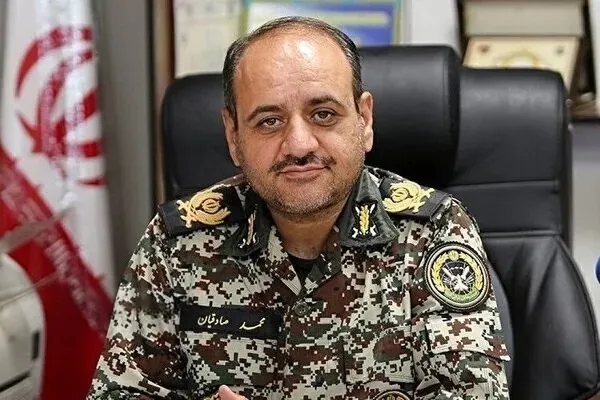
Brigadier General Sadeghian added: "The primary mission of the Air Defense is the detection of any flying object in the airspace of the Islamic Republic of Iran and even beyond the country's borders. Following detection, the stages of identification, and if necessary, interception by fighter aircraft or engagement using defense missiles and systems are carried out."
The Deputy Coordinator of the Army Air Defense Force noted: "The ultimate mission of the Air Defense is to prevent hostile aircraft from completing their mission and, if necessary, to destroy them."
Stating that the mission of the Air Defense is not limited to wartime conditions, he said: "Every passenger aircraft intending to enter the country or transit between different cities, as well as various helicopters and aircraft operating in different missions, including rescue operations, act within the framework of Air Defense coordination and permits, and the country's sky is managed to facilitate their missions."
Deployment of Defense Forces in Over 3,000 Points Across the Country
Pointing to the expansiveness of the country's air defense network, Brigadier General Sadeghian noted: "Air defense forces are present in over 3,800 points across the country, many of which are located in hard-to-reach areas, including deserts, coasts, islands, and high altitudes."
The Deputy Coordinator of the Army Air Defense Force added: "Defense forces of the Army, IRGC, and other branches of the Armed Forces operate under the command of the Integrated Air Defense Network. Using radar networks, electro-optical equipment, and modern technologies, they monitor and track the country's airspace and beyond 24/7."
Explaining that surveillance data is analyzed and processed in operational centers, he stated: "In the integrated air defense network, decisions must be made instantly. Determining how to deal with each target, which target to warn, which to strike, and which system to utilize for the engagement constitutes a vital part of the integrated air defense network's mission."
Sanctions as an Opportunity for Defense Self-Sufficiency
Referring to the process of indigenizing defense equipment, Brigadier General Sadeghian clarified: "Restrictions on arms sales to the Islamic Republic of Iran are not a new issue; we have faced such conditions since the onset of the Islamic Revolution. However, these sanctions became an opportunity for the Armed Forces."
The Deputy Coordinator of the Army Air Defense Force noted: "Reliance on foreign equipment carries the limitation that even an up-to-date system may not fully align with the country's geographical conditions, operational needs, and the nature of threats faced."
He added: "Accordingly, the Armed Forces in cooperation with the defense industries of the Ministry of Defense, pursued the design and manufacturing cycle based on operational needs, geographical conditions, and threat assessment. Today, we witness the design and production of indigenous systems by Iranian scientists in consultation with armed forces personnel. Today, we face no bottlenecks in developing and producing indigenous defense systems."
Updating Defense Systems According to the Nature of Threats
Highlighting lessons learned from recent conflicts, Brigadier General Sadeghian added: "Amid the imposed 12-day and 40-day wars, we modified defense systems in accordance with the enemy's type of aggression; software was updated, new deployments were executed, and fresh designs were implemented."
The Deputy Coordinator of the Army Air Defense Force clarified: "This capability stems from the indigenous nature of these systems, allowing us to apply necessary modifications to the equipment in the shortest time according to the enemy's threat."
He concluded: "The Army Air Defense Force has offered a total of 158 martyrs to the Islamic Revolution across three periods, including the events of October 26, 2024, the 12-Day War, and the Ramadan War."
