

Iran's Entry into the Information-Space Power Arena with New Satellites
TEHRAN (Defapress) - The successful simultaneous launch of three Iranian imaging satellites named "Zafar 2," "Paya," and the second model of "Kosar" into Low Earth Orbit (LEO), using the Russian Soyuz launcher, is not merely a technical or symbolic event. Rather, it is a clear sign of the gradual entry of the Islamic Republic of Iran into a new phase of national power in the realms of space, information, and intelligent deterrence. This event must be analyzed within the framework of major geopolitical developments, the battle of data, and the new war of perceptions, not merely as a scientific achievement.
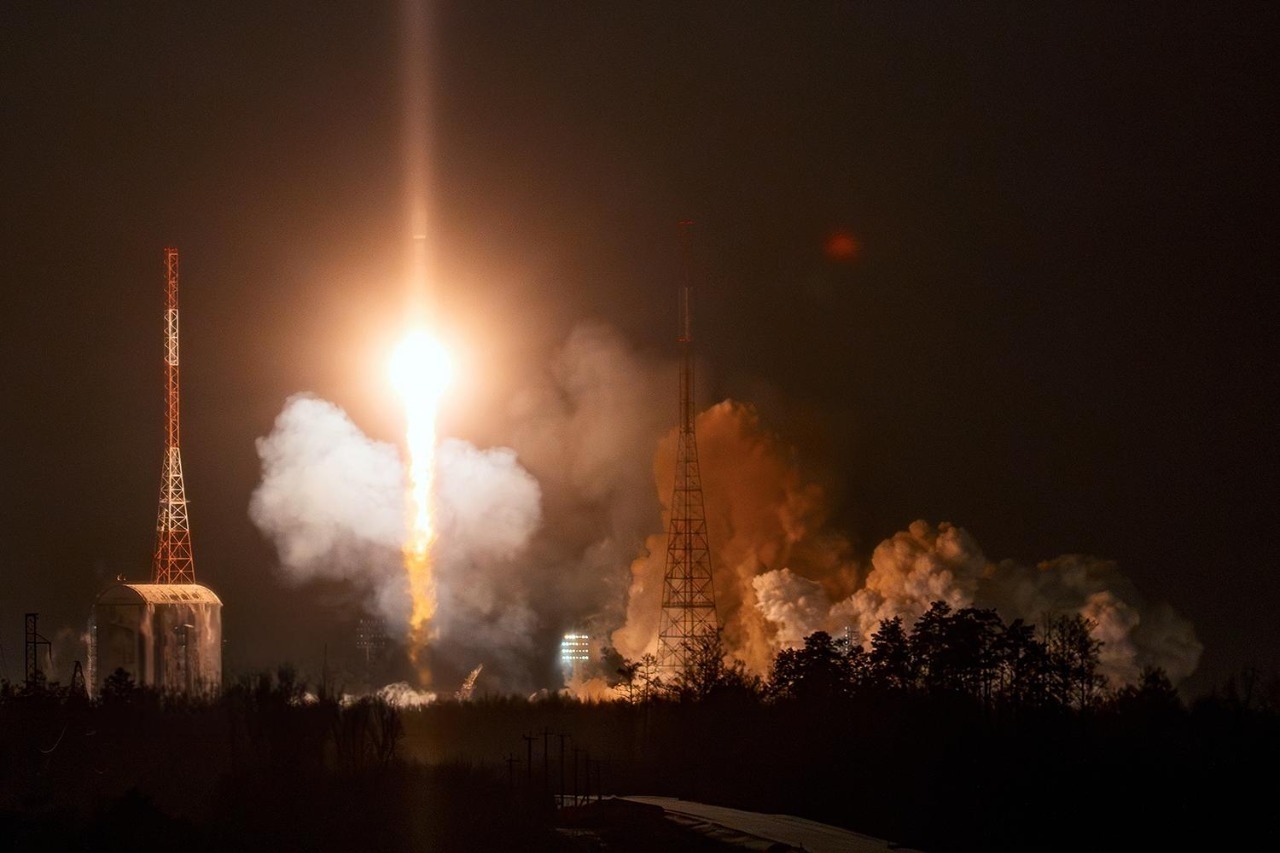
In the new world order, "space" is no longer a luxurious or extravagant domain for countries; it has become one of the main pillars of national authority, informational independence, and strategic decision-making capability. A country without independent data will inevitably become a consumer of others' analyses, and a country that is a consumer of analyses is always one step behind in the fields of politics, security, and the economy. From this perspective, the development and deployment of imaging satellites are directly linked to the concept of national sovereignty in the 21st century.
The first and most important point in this launch is the simultaneous deployment of three imaging satellites. This action shows that Iran is gradually moving beyond the logic of "case-by-case and experimental launches" and towards Constellation Thinking. In today's world, the real power of space imaging lies not in a single satellite, but in a network of satellites that can provide an accurate, updated, and reliable picture of the Earth by reducing revisit time, increasing geographical coverage, and data overlap. This paradigm shift is a sign of the maturity of the strategic understanding of space's function.
The second key point is the imaging nature of these satellites. Imaging satellites are inherently dual-use, meaning that while serving non-military goals such as agriculture, water resource management, environmental monitoring, and crisis management, they can also play a role in the security and defense domains. Monitoring military movements, border surveillance, monitoring energy lines and vital infrastructure, and increasing the accuracy of intelligence analyses are part of these strategic functions. In a world where "information has become a weapon," the imaging satellite is one of the most effective tools of this weapon.
The third important dimension of this event is the choice of the Russian Soyuz launcher. This choice should not be seen merely as a technical or temporary solution. Space cooperation with Russia carries clear geopolitical messages: the formation of non-Western strategic ties, a practical move beyond the Western technological blockade, and the intelligent use of division of labor within emerging power blocs. By focusing on the design, construction, and development of satellites, and using the launch capacity of a strategic partner, Iran presents a realistic model of progress under conditions of maximum pressure.
The fourth point, which may receive less public attention, is the presence of the second model of "Kosar" in this launch. This indicates that the technology cycle in the country has been activated: design, launch, data reception, performance evaluation, modification, and reproduction. This is precisely the point that transforms space projects from "demonstrative and promotional" to "industrial and sustainable." Repeatability is the main indicator of technological maturity; without it, no space program becomes a real power.
From a national security perspective, this launch sends a clear message to rivals and adversaries: the West's information monopoly is eroding. Until now, many independent countries have been forced to rely on Western or Western-dependent satellite images and data to analyze their surrounding environment, data that has always been accompanied by delay, distortion, or political direction. Developing indigenous remote sensing capability means increasing independence in decision-making and reducing vulnerability in cognitive warfare.
On a broader level, this event must be considered part of Iran's intelligent deterrence. Deterrence today is not limited only to missiles and hard weaponry; it also includes the ability to see, understand, and predict. A country that sees the battlefield better is less likely to be surprised, and a less surprised country pays a lower cost for defense. From this perspective, imaging satellites play the role of the country's "strategic eyes."
The simultaneous launch of Zafar 2, Paya, and Kosar, if accompanied by operational continuity, improvement in imaging quality, and constellation development, can gradually place Iran in the position of a regional space power with extra-regional influence. This path is neither short nor simple, but indications suggest that Iran has passed the testing phase and entered the consolidation stage.
Finally, in a world where the future of wars, economies, and politics is shaped based on data and perception, every successful imaging satellite is a step towards strategic independence, sustainable security, and combined soft-hard power. This launch, if properly understood and continued correctly, could become one of the quiet yet decisive turning points on Iran's path to national power.
