
Iran's Largest Media Event at Milad Tower: 313 Journalists from Iran and 25 Teams from 12 Countries Compete in the Media Hope Cup Festival
TEHRAN (Defapress) - This morning (Sunday), 313 journalists from Iran and 25 teams from 12 countries began competing in the third edition of the Hope Media Cup, the country's largest media event, held at the Milad Tower Conference Center.
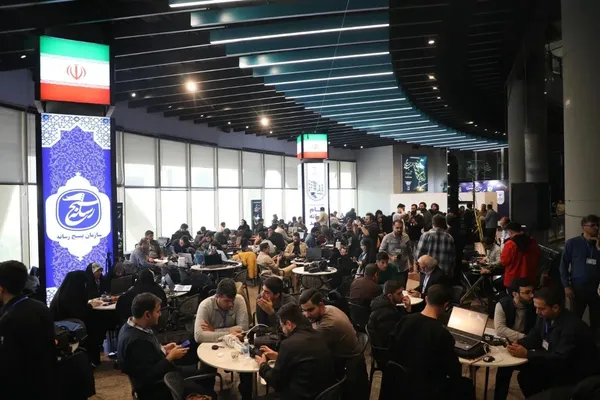
Focused on creating and sharing content that inspires hope, chronicles Iran’s progress, and highlights the nation’s achievements, this 36-hour event began Sunday morning and will conclude Monday evening.
Participants, organized into media teams, will produce and publish content across various fields; their performance will be monitored and evaluated using artificial intelligence technology.
313 Domestic Journalists and 25 Teams from 12 Countries Compete in the Hope Media Cup
Rouhollah Rahmani, the scientific and content secretary for this round of the competition, stated: "In this round, we are hosting teams from 31 provinces across Iran, as well as 25 teams from 12 countries; in total, 313 journalists from all over the country are participating in this event."
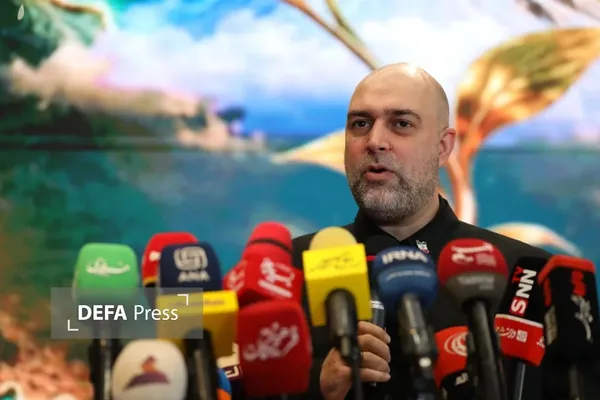
He added: "For the first time, alongside qualitative evaluation by judges, we are utilizing artificial intelligence for quantitative assessment and the precise tracking of the reach and impact of media activities. In the previous edition, the total number of views generated by the event’s media coverage exceeded one billion."
Rahmani explained: "The Hope Media Cup is modeled after scientific olympiads and aims to identify and showcase the capabilities of media professionals, given that the media serves as a primary and pivotal arena in soft war."
Judging News Products Across Two Categories: Publication and Content
Elaheh Khansari, Head of the Jury for the Hope Media Cup Festival, stated during the ceremony that this significant media event has enlisted the participation of professional media figures.
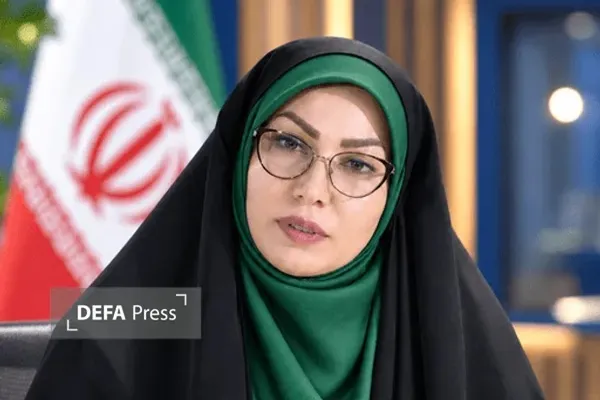
She added: "We have also introduced a platform to facilitate the uploading of news entries. Submissions will be evaluated across two categories, publication and content, with the jury monitoring the latest status of the entries."
Khansari noted: "In the content category, the best entries across nine different formats will be reviewed and selected, with the final results to be unveiled at the closing ceremony."
Journalists Are the Commanders and Combatants of the Media Front
Brigadier General Seyyed Ghasem Ghoreishi, Deputy Commander of the Basij Organization, speaking at the event, congratulated everyone on "Basij Week" and welcomed the domestic and foreign media representatives. He expressed his appreciation for the efforts of the Basij Media Organization, as well as the event’s secretary and judges, voicing his hope that this event would prove both enduring and impactful.
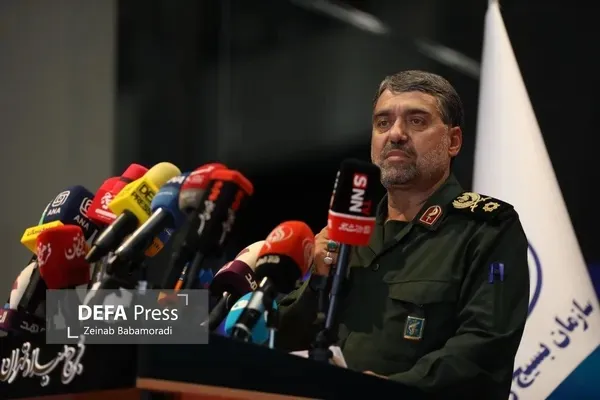
Elaborating on a significant development for the Iranian nation, Brigadier General Ghoreishi stated: "The Supreme Commander-in-Chief has issued a directive to the commanders of the Armed Forces, announcing that restrictions on the range of weaponry have been lifted, and there are no longer any geographical limitations for the Armed Forces. This means that, in proportion to the threat, anyone, wherever they may be and whatever means they might use to threaten the Iranian nation, will be met with a response."
Referring to the words of the martyred Leader, he added: "Just as our martyred Leader once declared, 'If you strike once, you will receive ten blows in return,' or 'The era of hit-and-run tactics is over', our current leader has now noted that, given the Americans have retreated hundreds of kilometers from our borders out of fear and are now operating from distant bases, the previous directive has been updated."
The Deputy Commander of the Basij Organization clarified: "The previous directive from our martyred Leader was calibrated to the threat as it was then assessed, at a range of approximately 2,000 kilometers. At that time, he stated that there was no need for our missiles or other armaments, such as drones, to have a range exceeding 2,000 kilometers. However, he also wisely issued another requirement: that the precision of these missiles must be extremely high, down to the millimeter or centimeter. In other words, if a missile with a 2,000-kilometer range is locked onto a target, it must strike the very center of that target."
He continued: This implies that should there be a decision to extend the range of these missiles, one viable approach is to multiply their range through minor modifications. The good news, based on what I have heard and know, is that the directive issued by the Supreme Leader of the Islamic Revolution regarding the Armed Forces, concerning equipment, weaponry, intelligence, and firepower, has been successfully fulfilled.
Brigadier General Ghoreishi emphasized: The Americans should not assume they will be safe by positioning themselves 1,000 or 2,000 kilometers away. Just as they once dismissed Iranian missiles as fabricated, they will find no sense of security even at such distances; should the need arise, the decision and resolve of the Supreme Leader will, God willing, be executed by the Armed Forces.
Drawing an analogy between the Hope Media Cup Festival and military exercises or war games, the Deputy Commander of the Basij Organization stated: In military exercises, forces prepare for actual confrontation with an enemy based on operational assessments and plans; similarly, the Hope Media Cup Festival serves as an opportunity for media professionals to train and prepare for engagement in media warfare.
Noting that the Hope Media Cup recorded over one billion views last year, Brigadier General Ghoreishi expressed hope that this year’s event would see significant growth and set new records. Emphasizing that the media front serves as the primary instrument for cognitive and soft warfare, complementing hard warfare, he noted that media practitioners act as the officers, commanders, and combatants of this front. The Hope Media Cup Festival can serve to prepare them and bolster their capabilities for confronting media warfare.
The Deputy Head of the Basij Organization added that, unlike military exercises, which involve operational drills and battlefield simulations, media practitioners in this event face a real-world arena; they must prepare to play an effective role on the battlefield of narratives.
Brigadier General Ghoreishi, underscoring the necessity for media professionals to narrate and articulate the nation's progress, stated that they must not only recount the advancements of the Islamic Republic of Iran but also depict the continuous, ever-growing trajectory of the country’s development and strengthening, thereby contributing to the realization of the "Strong Iran" strategy.
He asserted that narrating and explaining the country's progress, beyond motivating those striving for development, serves to strengthen hope within society.
Pointing to the need to raise awareness regarding post-Islamic Revolution achievements, Brigadier General Ghoreishi stated that Iran’s accomplishments across various sectors, including sports, medicine, and other scientific and specialized fields, must be accurately articulated to the public.
He noted that, in its media warfare, the enemy seeks to overlook Iran’s greatness and the dignity achieved through the people’s self-belief and active participation. The Deputy Commander of the Basij Organization proposed that two additional topics be included in the agenda for the event organizers: first, addressing the ignominious defeat of the United States and the Zionist regime, alongside the strength and authority of the Iranian nation; and second, ensuring preparations are in place to commemorate the martyrdom anniversary of our martyred Leader.
Referring to the geopolitical shifts following World War II and the onset of the Cold War between the United States and the Soviet Union, Brigadier General Ghoreishi stated that the collapse of the Soviet Union was not brought about by the West’s military or economic might. Rather, as Brzezinski argued, the West’s victory was achieved through a media war, specifically via American radio broadcasts and the BBC. Today, with the emergence of new tools, this form of warfare has become far more distinct and potent.
Pointing to the Pahlavi regime’s subservience to foreign powers, citing the memoirs of Farah Pahlavi and the book Two Ambassadors, he emphasized that during the Pahlavi era, Iran’s national interests were disregarded in favor of the interests of the United States and Great Britain; major national decisions were, in fact, dictated by foreign powers.
Emphasizing that the Islamic Revolution was fundamentally intellectual and cultural, Brigadier General Ghoreishi noted that it restored the Iranian nation’s most vital rights, including the right to self-determination, independence, the revival of national and religious identity, and freedom. He added that the media today bears the responsibility of chronicling and narrating these achievements.
Our Goal Is to Produce Hope-Inspiring Content
Morteza Karamouzian, Head of the Basij Media Organization, stated at the Hope Media Cup Festival, held at the Milad Tower Conference Hall, "I have visited several media outlets, and their performance has been good. Each participant is expected to present a piece of good news from their respective field; we are quite firm on this requirement."
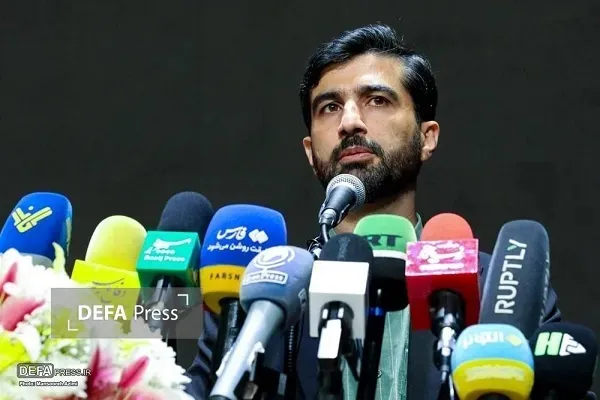
He added, "Each speaker will be present at the Hope Media Cup for over an hour, a rule that also applies to those giving presentations. An artificial intelligence monitoring system is tracking the performance of these media outlets, and the evaluation of their content production will certainly be conducted with this focus in mind."
He continued, "Today, we are hosting representatives from 31 provinces with strong media presence, all of whom are showcasing their work. Furthermore, 150 national-level journalists and 12 media organizations are participating in the conference to display their achievements."
Noting that last year’s event garnered one billion views with participation from all provinces, he emphasized, "This is a 36-hour event, structured around specific themes defined for the Hope Media Cup Festival."
Elsewhere in his remarks, Karamouzian referred to the Zionist regime and its atrocities in recent conflicts, stressing, "The crimes of the Zionist regime must be reported so that public opinion becomes accurately informed about these atrocities. That said, it must be remembered that our primary objective at the Hope Media Cup Festival is the creation of hope-inspiring content."
The Head of the Basij Media Organization concluded, "The closing ceremony of the Hope Media Cup will take place tomorrow at 8:00 PM (Tehran time). It is hoped that this event serves as a positive step toward transformative change within the media sector. Moreover, media outlets can advance their objectives through teamwork and collaborative projects."
Space Industry Is One of Iran’s Strategic Sectors
Hassan Salarieh, Head of the Iranian Space Agency, speaking at the Hope Media Cup Festival held at the Milad Tower Conference Center, stated: "The space industry is one of the world's key strategic sectors and a vital indicator of a nation's progress. Satellite data serves as a primary resource for national decision-making."
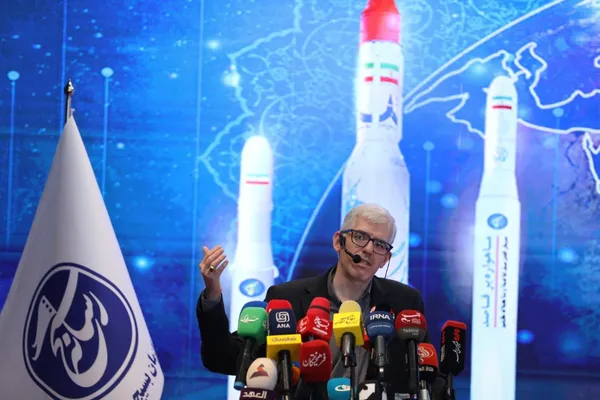
Highlighting the significant role of satellite data across various sectors, Salarieh noted: "In agriculture, the integration of satellite data can assist in estimating crop yields and managing market supply. In urban planning, such data can be used to keep urban information up to date."
Salarieh continued: "In meteorology, satellite data is an essential forecasting tool, enabling the assessment of atmospheric conditions. Furthermore, it can be used to identify dust-storm hotspots, as well as water reserves and resources. Telecommunication satellites also serve as critical data conduits, playing a vital role in supporting ground infrastructure from an altitude of 36,000 kilometers."
The Head of the Iranian Space Agency emphasized: "Navigation satellites are among the most important tools for mapping and route-finding. The global number of satellites has grown significantly in recent years, with nations expanding their data capabilities. Iran has also seen strong growth in the space sector, particularly within the private sector and academia, and currently holds a favorable position. Under the auspices of the Ministry of Information and Communications Technology and the Iranian Space Agency, 36 satellites are currently under construction. This includes the Shahid Soleimani satellite constellation, consisting of 24 satellites; three of these will be unveiled during the Decadale celebrations. Additionally, radar-imaging satellites with a resolution of one meter or better are also being developed."
Salarieh emphasized that various satellites are currently under construction, with both the private and public sectors involved. Launch systems, such as the Simorgh, are being developed by the Ministry of Defense and the Aerospace Force. Launch vehicles capable of reaching ranges of 1,000 kilometers, as well as the Ghaem launch system (with ranges of 500 to 1,000 kilometers), are currently being built; furthermore, a variety of other launch vehicles are in development, which will provide us with the capability to conduct launches reaching altitudes of up to 36,000 kilometers.
The Head of the Iranian Space Agency stated that private companies are active in the field of satellite remote sensing; there are currently 80 such companies with the potential to carry out this work. The space industry is among the most complex and high-risk sectors. In the realm of satellite imaging, the industry is unparalleled; globally, only about 11 nations are active in the satellite sector, and Iran is one of them. Only a select few countries possess the capability to operate satellites and provide operational data, and Iran is among them.
The Head of the Iranian Space Agency emphasized that while the enemy targets our points of strength, our space industry is indigenous and self-sufficient. Although bombardments may have caused damage, the infrastructure is capable of being repaired or relocated. We currently have more satellites under construction than those we have already built, and we are preparing to launch high-level remote sensing satellites.
The Head of the Iranian Space Agency noted that we possess satellites with a resolution of one meter, which are set to be launched soon. Our space roadmap is based on indigenous industry and domestic expertise, and extensive infrastructure has been established in this field. Despite the damage sustained, the development of the space industry continues with vigor and strength, supported by the participation of the Armed Forces and universities. The future of development hinges on the advancement of the space industry, a matter of strategic importance. If we wish to consistently maintain a high standing, we must approach our efforts with greater planning than ever before.
The World Thirsts for the Message of the Islamic Revolution
Alireza Zakani, the Mayor of Tehran, speaking today (Sunday) at the third edition of the Hope Media Cup Festival held at the Milad Tower Conference Center, emphasized the importance of strengthening Iran and striving toward the pinnacles of glory. He stated: "If we look at Iran’s past, at the position we occupied before the Islamic Revolution, many of the notions that cognitive warfare attempts to instill in our minds are replaced by realities of strength, honor, and greatness."
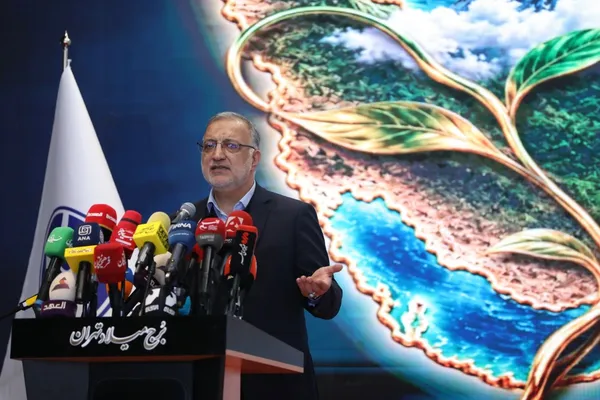
He added: "Before the Revolution, the country endured 200 years of darkness and backwardness. During the Qajar and Pahlavi eras, efforts were made to keep the nation stagnant, lagging behind the rest of the world, while the ruling elite, through their own treachery and gluttony, subjected the Iranian nation to the humiliation of dependency."
Pointing to historical records, Zakani remarked: "When you examine the nation's historical documents, such as the letter from Ahmad Shah to the American envoy in Iran, you are overcome with a sense of shame. During the First World War, he requested that the Americans place their flag atop his palace to shield it from aggression by other powers. This is an official, extant document."
He continued: "Similarly, during the Second World War, under the Pahlavi regime, the leaders of three nations gathered in Tehran to determine the fate of the world, effectively showing no regard whatsoever for the Shah of Iran. Furthermore, Hoveyda recounts in his memoirs that at the British Club in Abadan, there were two signs: one reading 'Iranians Not Allowed' and the other 'Dogs Not Allowed.' Consider the mindset of an individual who held the helm of this country for over 13 years."
The Mayor of Tehran noted: "During the Vietnam War, the country's resources were removed and placed at the disposal of the Americans, all without the Shah’s permission." We brought the revolution to victory at such a dark juncture—a revolution whose message was freedom, independence, justice, spirituality, and progress, and which offered this promise as a gift to the global community.
Zakani stated: Along this path, an internal strength, rooted in religion and the people, took shape, transforming our cherished Iran into a sanctuary and a shining beacon on the global map. During the first decade, global media outlets attempted to incite the civilized world against us by broadcasting the message of Imam Khomeini, seeking to forge a united front. However, following Imam Khomeini’s heart-wrenching passing, they realized that the world was, in fact, thirsting for the message of the Islamic Revolution.
Reflecting on the period following the passing of Imam Khomeini, he remarked: After the Imam’s death, it became clear that the world was fundamentally yearning for the message of the Islamic Revolution. If the leaders of certain nations, along with elements affiliated with or dependent upon the United States, are troubled by this message, it is because this hopeful message opens up a new horizon for the people of the world.
The Mayor of Tehran added: Our adversaries sought to suppress the reality surrounding our Imam, erecting a propaganda barrier within the country to prevent his words, his message, and his luminous ideas from reaching the world. They understood that if the path of the Islamic Revolution were to continue, it would pursue a civilizational horizon, one that paves the way for Imam Mahdi, whereas the United States has built its own civilizational vision upon the foundation of global plunder.
Noting that the enemy relies on force and domination, Zakani observed: They realized that the Islamic Revolution does not depend on coercion, but rather advances through the voluntary embrace of its message. Consequently, they endeavored to construct a propaganda barrier; in their coverage of the Imam’s words, they resorted to selective editing and the distortion of the core subject matter. He stated: With the proliferation of new media and the personalization of audience consumption, the enemy hoped, through cognitive warfare, to weaken the Islamic system’s robust internal foundation: the people. While this effort was not entirely without effect, it failed to achieve its desired outcome, as vigilant elements and awakened networks stepped into the arena, armed with the spirit of Basij and a commitment to enlightenment.
Referring to the current state of the confrontation with the enemy, the Mayor of Tehran remarked: "We stand at a point today where the enemy’s overt warfare and atrocities have yielded nothing but defeat; they have failed to change the regime, seize Iran, or subjugate its people. Furthermore, they attempted to constrain our regional influence, as well as our missile and nuclear capabilities, efforts that also failed."
Zakani continued: "Having failed, the enemy is now attempting, through media distortion and economic pressure, to halt the nation’s progress in the arena and stall the system’s advancement toward its ultimate goals."
He noted: "Gatherings such as this serve three purposes: first, to compare the past with the present; second, to highlight the realities of our significant achievements and successes; and third, to outline the future that lies ahead. We must recount the dark past to ensure we do not fall into complacency, reflect upon the 47-year journey, marked by both hardships and triumphs, and delineate the contours of the future."
The Mayor of Tehran emphasized: "This three-fold approach should serve as a source of great hope and dignity for us, while instilling despair in the enemy. Discussing the system’s current assets, and contrasting them with the destitution of the past, is an essential part of this process of enlightenment."
Pointing to the country’s extensive media and artistic capacities, Zakani stated: "Today, we are engaging with our own 'system of assets,' and we must speak of the honors that lie ahead."
Noting that media capacity is no longer confined to restricted or closed networks, he added: "This represents a significant potential; beyond fostering and articulating our own internal strengths, it leaves the adversary empty-handed and diminishes their influence over public opinion and broader circumstances."
Referring to remarks made by our martyred Leader at the Non-Aligned Movement conference, the Mayor of Tehran recalled: "Following that conference, our martyred, striving Imam noted that representatives from various nations would say, 'We are just like you, but we lack the courage to say so openly.' Compare this situation to what transpired this year at the United Nations, where representatives from over 47 countries walked out during the speech by Netanyahu, the killer of children. This signifies that our 47 years of resistance have brought these nations to a point where they have come to realize that the path chosen by the Iranian nation is the correct one."
Highlighting the role of the Basij as the "locomotive" and driving force behind the country’s revolutionary movement, Zakani asserted: "As an effective organization operating at all levels, the Basij bears a weighty responsibility: to win over minds, transfer capabilities, and exert influence on public opinion globally."
He added: "Media, art, culture, and the realm of thought and ideas serve as active instruments for the expansion of the Islamic Revolution; by capturing minds across the region and the globe, they pursue the realization of lofty, transcendent goals." Emphasizing that the country’s future is exceptionally bright, the Mayor of Tehran noted: "For 47 years, we have been under pressure from the United States and its allies; yet today, we proudly stand at a point where we assert our own will, while refusing to submit to the will imposed upon us by the enemy."
He stated: "Today, the enemy has become fundamentally desperate and is seeking to intensify pressure. However, it is precisely at this juncture that the country’s potential and capabilities will rapidly flourish, setting in motion a path of science, knowledge, and dedicated effort toward building a stronger Iran."
Asserting that the development of a stronger Iran serves as a prerequisite for the realization of a new Islamic civilization, both regionally and globally, Zakani expressed his appreciation to the event organizers.
Honoring the memory of the martyred Leader, the oppressed martyrs of Minab school, and all other martyrs of the nation, the Mayor of Tehran remarked: "The suffering endured by these heavenly families, and the nature of these martyrdoms, stand as a proud testament, one that, by divine grace, will serve as a catalyst and a driving force for the achievement of our goals."
He further observed: "The deep-seated indignation and animosity felt toward our malevolent enemies serve as a starting point; when coupled with a steadfast hope for the future, they give rise to a continuous, enduring movement."
Iran on the Brink of Full Self-Sufficiency in Gasoline and Diesel
Speaking at the third edition of the Hope Media Cup Festival, held today at the Milad Tower conference hall, Vahid Ghaneifard, CEO of the Persian Gulf Star Oil Company (PGSOC), outlined the refinery’s place in Iran’s fuel basket, its formation process, and the role of domestic specialists in maintaining production stability under difficult conditions. Referring to the history of the complex, he stated: The Persian Gulf Star Refinery was designed in 2006 following specialized studies, with the aim of producing strategic fuel products and preventing the raw sale of crude oil and gas condensate. Major executive operations began in 2008 on a 730-hectare site in Bandar Abbas, with three simultaneous projects defined: the refinery itself, the feedstock pump station project in Asaluyeh at a distance of 400 kilometers, and the Persian Gulf Star water intake project, which is Iran’s second-largest water intake.
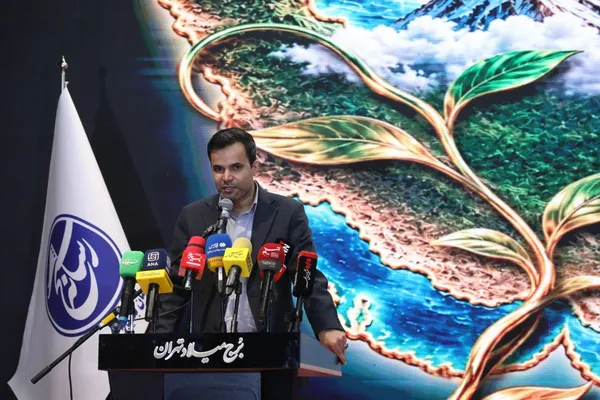
Ghaneifard continued: Three years later, at the height of cruel sanctions, foreign companies from Italy, Indonesia, and India that were part of the refinery construction consortium withdrew, divested their shares, and left the country. Under these circumstances, Iranian specialists stayed, and the main work gained strong momentum starting in 2011 with the entry of Khatam al-Anbiya Construction Headquarters as the main contractor.
Emphasizing that this refinery is Iran’s most Iranian industry, the CEO of Persian Gulf Star Oil stated: The design, construction, and commissioning of this complex were carried out entirely by committed, faithful young Iranian specialists, without even a single foreign consultant present. Whereas other refineries in the country have between 40 and 50 percent of their parts imported and dependent on third countries, at this refinery roughly 85 percent of the equipment was manufactured domestically, and the remaining 15 percent, most of which was not delivered by European and American countries, was procured from China and put into operation by Iranian specialists.
Pointing to shifts in production and consumption, he said: The first phase of the refinery came online in 2016. One-third of the output was supposed to be allocated to domestic consumption and two-thirds to exports, but from 1395 onward, due to rising fuel consumption in the country, virtually all products went toward domestic use. Currently, the production and consumption of gasoline, diesel, and jet fuel are roughly in balance; last year, gasoil exports dropped completely to zero, and this year gasoline exports are also slated to reach zero so the country becomes self-sufficient in strategic fuels.
Ghaneifard noted: The country’s first gasoline export shipment was dispatched in 2019 through the Persian Gulf Star Refinery and from Bandar Abbas, and we hope that through consumption management, we will return to the ranks of gasoline exporters.
Referring to the price gap of $60 to $70 per barrel between refined petroleum products and crude oil, he said: This industry can create remarkable economic value for the country. The Persian Gulf Star Refinery alone has the potential to generate $3 billion to $4 billion in annual foreign currency revenue, provided consumption is controlled and optimized. Fortunately, gasoline fuel management and optimization plans have been implemented in 11 provinces of the country, and gasoline consumption has fallen by 3 percent compared to last year, something unprecedented in recent years.
Ghaneifard stated: After stabilizing production at its nominal capacity of 360,000 barrels per day in January 2017, the capacity-expansion phase was launched immediately, and between 2019–2022, the refinery’s capacity increased to 455,000 barrels per day, which was equivalent to adding one-third to the entire refinery. Right now, an average of 450,000 barrels per day is in the production circuit.
He added: Development plans are currently underway so that, if South Pars gas condensate feedstock decreases, it will be possible to replace part of the feedstock with crude oil.
Reviewing the sanctions between 2016–2020, Ghaneifard said: During that period of cruel sanctions, even the foreign advisors who were supposed to commission the 15 percent of European and American equipment did not come to Iran and closed down their offices in Tehran and the south. At that time, the average age of specialists at this large refinery was just 32, and young Iranians were able to commission sensitive equipment, such as compressors, American power units, and Italian boilers, one by one and localize their operating manuals.
Recalling an experience with Germany’s Siemens, he noted: This company had delivered five high-tech, high-speed compressors running at around 10,000 rpm, which are considered the heart of process units and supply the hydrogen needed for the process, as a "black box" with no editing capability. With the help of Sharif and Tehran universities and a team of 23- to 24-year-old master’s and doctoral students, our colleagues localized the entire logic of these compressors in about 40 days, broke their software locks, and now there is no need for foreign countries and we carry out any necessary changes ourselves.
Ghaneifard went on to emphasize that whenever we started any work with faith and determination, the result was nothing short of success, saying: We must deeply instill this belief in our youth that if we have the will and believe in ourselves, we can succeed in all fields, just as we saw in the metals, mining, and military industries; whenever we began work with faith and determination, the result was success.
He added: If this determination and trust in youth take shape across all arenas, including industry, agriculture, and the military sphere, which fortunately has taken shape in the country, we can bring about very good developments for the country economically, militarily, and in terms of security.
Pointing to the importance of familiarizing the younger generation with the country’s industrial achievements, he stated: My suggestion is to make even greater use of the capacity of Pathfinders of Progress (Rahian-e Pishraft) tours; large numbers of school and university students travel to the south of the country and become familiar with working conditions in refineries as well as the mining, metals, steel, and shipbuilding industries. These measures are innovative and good initiatives that have started in the country, and I hope we witness growing scientific momentum for this country’s youth, because the country’s future is built by these very young people.
Emphasizing that cultural work must not be forgotten, Ghaneifard noted: Part of the output we see today in economic and industrial spheres is the result of education across various levels, and hope is the light that has been kindled in the hearts of our adolescents. The worst thing is hopelessness in every field, whether industrial, scientific, or military. If a person always remains hopeful and faithful, they can accomplish even the hardest tasks.
He stated: At Persian Gulf Star Oil Company, we have experienced this firsthand; all 4,000 personnel currently working in this complex see PGSOC as the manifestation of faith, love, and willpower. I see the output of this major industry as nothing other than determination and igniting self-belief within themselves, which enabled them to bring this great undertaking to fruition.
Presenting production figures for the complex, he said: Currently, out of the country’s 10 refineries, this refinery produces roughly 45 percent of Iran’s gasoline; on average, 47 to 48 million liters of gasoline and about 12 million liters of diesel are produced daily at this refinery and delivered to the government to be used in our dear people’s fuel cycle, with no need for imports or third countries.
Philosophy of the Basij: National Unity and Confronting Global Arrogance
Brigadier General Ali Moghvasaz, Deputy for Cultural Affairs of the Basij Organization, speaking at the Hope Media Cup Festival event held at the Milad Tower Conference Hall, stated: "The Basij’s media wing places special emphasis on the media sector; it is with this objective that the 'Media Cup of Hope' program has been organized."
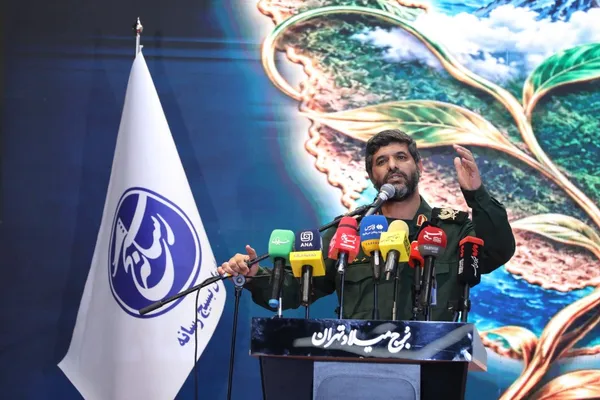
Referring to the evening gatherings that have taken place in recent months, he added: "Basij Week is centered around these evening assemblies, as the aim is to highlight, more than ever, public participation and street gatherings as a means of confronting global arrogance."
Highlighting the Basij’s cultural and artistic initiatives, Brigadier General Moghvasaz noted: "During Basij Week, valuable artistic and cultural works, spanning motion graphics, artificial intelligence products, and documentary filmmaking, have been presented. We are also committed to supporting and encouraging those active in these fields."
Elsewhere in his remarks, he addressed the philosophy behind the formation of the Basij, stating: "The philosophy of the Basij is rooted in unity, solidarity, and opposition to global arrogance. In this vein, following the victory of the Islamic Revolution, Imam Khomeini (RA) declared: 'Direct all your cries against America.'"
Pointing to the failures of the United States in its dealings with the Islamic Republic of Iran, the Deputy for Cultural Affairs of the Basij Organization remarked: "The United States, which once considered itself the world's sole superpower, is now witnessing a decline in its international standing and no longer possesses its former authority."
He emphasized: "Media outlets must, more than ever, focus on explaining and reflecting the social programs undertaken by the Basij." Referring to the nationwide implementation of the Self-Sacrificer (Jan-Fada) program, with a particular focus on Mashhad, Brigadier General Moghavasaz noted that this path continues. He also mentioned the Khat-e Amin 3 campaign, which centers on the Leader’s written endorsements of various books, and emphasized that the media should pay greater attention to such cultural initiatives.
The Deputy for Cultural Affairs of the Basij Organization stated that the organization has produced various cultural works, including 20 three-minute documentaries highlighting the Basij’s cultural activities. He suggested that media outlets could help bring these efforts to a wider audience by showcasing and disseminating these films.
He added that they aim to honor individuals who play an active and influential role in promoting and highlighting the Basij’s programs.
Furthermore, the Deputy for Cultural Affairs announced the production of 80 works in the fields of artificial intelligence (AI) and motion graphics. He emphasized that media outlets could utilize and publish these materials to further introduce and showcase the Basij’s cultural output.
Regarding the content of the AI-generated works, Brigadier General Moghavasaz explained that they consist of stories, created using artificial intelligence, that recount true tales of the valor displayed by Basij members during the war.
He added that the motion graphics include QR codes; by scanning them, the audience can access the stories featured in these works.
Addressing media professionals, the Deputy for Cultural Affairs of the Basij Organization urged those working in the media sector to accurately reflect the cultural initiatives undertaken in defense of the Islamic Republic of Iran. In conclusion, Brigadier General Moghvasaz stated: "The Basij’s cultural programs will continue with full vigor, and we endeavor to ensure that these cultural initiatives become increasingly dynamic and impactful."
Ravayat-e Fath Is a Cultural Holding Company
Amir Vojdaniniya, Deputy Head of the Ravayat-e Fath Foundation, spoke today (Sunday) at the third edition of the Hope Media Cup Festival, held at the Milad Tower Conference Center. Outlining the foundation’s activities and programs, he touched upon its origins, noting that the legacy of the documentary series created by the late Martyr Avini, which focused on social issues and the theme of resistance, has been carried forward by the foundation. Following Avini’s martyrdom in 1993, the institution he established has, by the grace of God, grown into a major artistic, literary, and cultural entity, essentially, a cultural holding company.
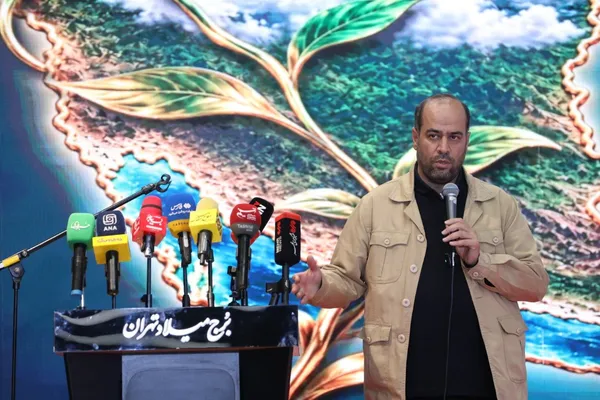
Emphasizing that the foundation’s primary focus is production, Vojdaniniya added: "We are active across various fields, including cinema, theater, documentaries, visual arts, and literature. In the realm of cinema, we are recognized for works such as Shomal az Jonoub-e Gharb, Pishmarg, Moghe’iyat-e Mehdi, which was featured in last year’s festival and is currently in theaters, and Janeshin."
The Deputy Head of the Ravayat-e Fath Foundation continued: "In the documentary sector, extensive work has been undertaken, with both short and feature-length films produced and distributed across a wide range of subjects. You are likely familiar with the Resistance Film Festival and the Resistance Theater Festival; both of these initiatives are also managed by our organization."
Elsewhere in his remarks, he highlighted the foundation’s publishing activities, stating: "Many books have been published over the years. We operate Saghi Publications, which specializes in artworks, with a particular focus on cinema, and we remain active in this field. Our goal is to play a significant role within the cultural and artistic landscape of the Islamic Revolution." Emphasizing the central thematic focus of this organization, Vajdaninia stated: "Our core content revolves around the themes of the Resistance, the Islamic Revolution, and public service. Through our various initiatives, we strive to make a meaningful impact, engaging both domestic and international audiences, by highlighting the principles of the Islamic Revolution, patriotism, the Iranian nation and its people, the concepts of martyrdom and sacrifice, and the legacy of the martyrs."
He further highlighted a unique asset of Revayat-e Fath: "The Sacred Defense and Islamic Revolution Film City, an expansive and visually striking complex, stands as the country’s only specialized facility dedicated to the themes of the Sacred Defense and the Resistance. Located between the 20th and 25th kilometers of the Tehran-Qom highway, it is a site we are proud to manage. In fact, virtually every film produced within the genres of the Resistance and the Sacred Defense has benefited from our support and services."
People-Centered Gatherings: The Front Line Against Global Arrogance
Ali Kowsari, Deputy for Education of the Basij Organization, speaking at the Hope Media Cup Festival held at the Milad Tower Conference Center, stated: "A key achievement of the Basij is the formation of education-oriented, grassroots campaigns throughout society."
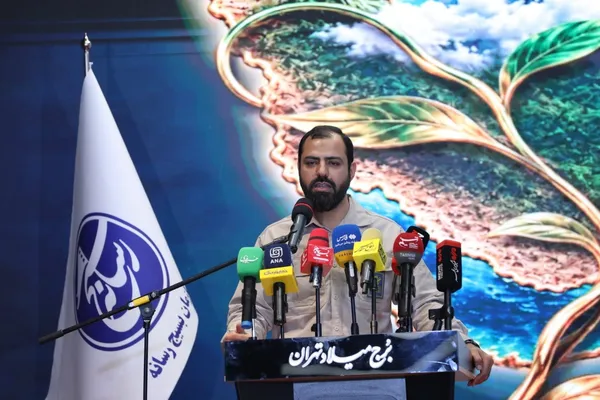
He added: "Globally, military forces are categorized based on three domains: ground, sea, and air. In fact, all nations possess ground, air, and naval forces, with the recent addition of aerospace forces, which represent a valuable asset."
Addressing the philosophy behind the formation of the Basij, Kowsari noted: "The Basij originated from a spiritual, divinely-inspired intuition granted to Imam Khomeini (RA), the founder of the Islamic Republic of Iran. Initially a tender sapling established in 1979, the Basij has since grown into a robust, flourishing tree."
Referring to the revolutions in Egypt and Algeria, the Basij’s Deputy for Education remarked: "If the forces of global arrogance intervene in a revolution, they alter its trajectory, as was the case with the revolutions in Egypt and Algeria."
He continued: "The first generation of the revolution secured the victory of the Islamic Revolution and charted its initial course. Five generations have now passed, yet the revolution continues on its path, having experienced a rebirth in terms of its social capacity."
Highlighting the philosophy behind the Self-Sacrificers (Janfada) movement, Kowsari emphasized: "The active social participation of the people strengthens the Basij; today, people-centered gatherings constitute the front line in the confrontation against global arrogance."
Kowsari further noted the response of Self-Sacrificers (Janfada) volunteers to military training, stating: "Within just 100 minutes, 500,000 Self-Sacrificers (Janfada) volunteers stepped forward for military training." He continued: Furthermore, within the very first second of the military training registration website going live, 148 individuals registered.
Noting that various cities across the country have launched the "Jan-Fada" (Self-Sacrificing) military training program, Kowsari emphasized: "Over the past month, one million Self-Sacrificers (Janfada) volunteers have begun their military training; this is truly a significant milestone within the Self-Sacrificers (Janfada) campaign."
He added: "We have developed training materials covering six subject areas for the Self-Sacrificers (Janfada) volunteers, including instruction on the use of light and heavy weaponry, drones, urban defense, and search and rescue operations."
The Basij Deputy for Training emphasized: "Military training for these volunteers is currently being conducted across 1,500 local bases and 110 field bases. We have scheduled a simultaneous launch of the Self-Sacrificers (Janfada) military training program at 110 locations nationwide for November 26."
He stated: "We plan to establish Self-Sacrificers (Janfada) military training bases near significant historical sites, such as Persepolis, Citadel of Bam, and the Ziggurat; and this will be implemented soon. Additionally, in the holy city of Mashhad, we will establish another 'Jan-Fada' training base near the tomb of the great poet Ferdowsi; this initiative will be ongoing."
Kowsari noted: "Approximately 60Self-Sacrificers (Janfada) military training bases have already commenced operations, with examples located in Khoy, Miandoab, Tehran, and Karaj."
Highlighting the participation of diverse social groups and individuals with varied perspectives within the Self-Sacrificers (Janfada) movement, Kowsari remarked: "We have observed that those enrolling in this training come from a wide array of backgrounds and hold diverse viewpoints."
He added: "It is a point of pride for us, within the system of the Islamic Republic of Iran, to provide military training services to individuals with such diverse perspectives." The Deputy for Education of the Basij emphasized: "We have made plans for the Self-Sacrificers (Janfada) battalions to deploy in the near future toward the eternally Iranian islands in the Persian Gulf. We hope to carry out this deployment by the end of December, so that the Self-Sacrificers (Janfada) battalions may confront the American-Zionist enemy at close range."
