

Resistance in Iraq Is the Central Bipolar Axis of Baghdad in the Regional War
TEHRAN (Defapress) - The epic struggle of the Iraqi Resistance fighters in the context of the regional war and the recent US airstrikes on the positions of the Popular Mobilization Forces is at the center of public opinion in West Asia. In this regard, we sought the opinion of "Sabah Zanganeh", a political analyst and Head of the Iraqi Center for Strategic Studies Experts.
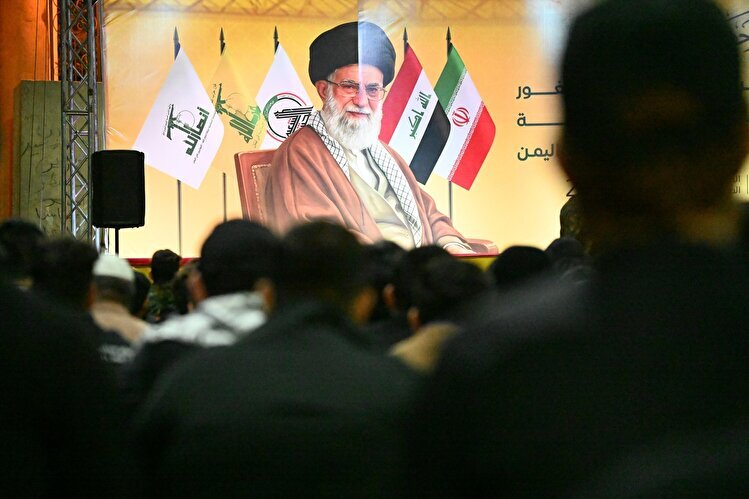
Referring to the recent US airstrikes on the headquarters of the Popular Mobilization Forces, Sabah Zanganeh said: These attacks should be analyzed in the context of the expansion of the scope of the confrontation in the regional war between Iran and the US and Israel.
He added: Washington considers some of the Popular Mobilization Forces groups - including the logistical and military support network - to be Iran's allies in the Axis of Resistance and, accordingly, is trying to send a deterrent message by carrying out these attacks.
Zanganeh stated: The main goal of the US is to prevent Iraq from becoming a platform for direct support for Iran, as well as to try to cut off the lines of aid and supplies between Iraq and Syria.
He continued: The Iraqi government's position towards these developments has been extremely cautious; On the one hand, it condemns the violation of Iraqi sovereignty and on the other hand, it tries to avoid being drawn into a direct confrontation with the United States.
Referring to the domestic reactions in Iraq, this political analyst stated: The parliament and political currents are divided in this regard; some Resistance groups have called for a decisive response or the withdrawal of American forces from Iraq, while other currents prefer an approach of pacification and tension control.
He added: For this reason, Baghdad's response has been more political and diplomatic than practical, because complex internal and external balances limit the possibility of decision-making.
Zanganeh, warning about the security consequences of these attacks, stated: These actions have turned Iraq into a battlefront between regional and international powers, and if they continue, Resistance groups will turn to targeting American interests inside Iraq and the region with greater intensity.
He continued: "However, the Iraqi government is trying to control the situation so that the relative stability achieved after years of fighting ISIS is not lost."
The head of the Iraqi Center for Strategic Studies also said about the public opinion reaction: Iraqi society is not unified in this regard; a significant part of the people consider the attack on the Popular Mobilization Forces as a clear attack on an official security institution and a violation of national sovereignty.
He added: "In contrast, another group is concerned that the entry of Resistance groups into a regional war will plunge Iraq into a crisis that is not in line with the national interests of this country. This difference of opinion is more political in nature and can be less considered a sectarian or ethnic divide."
He continued: "The US attacks may increase the political and spiritual capital of the PMF in its social environment in the short term, because the perception is strengthened that the Popular Mobilization Forces has been targeted because of its support for the Axis of Resistance."
