
Cuba’s Nightlife Is at a Standstill, and the Challenge of Resilience
TEHRAN (Defapress) - The Cuban capital is facing a deserted street scene and severely limited economic activity. At night, Havana’s wide streets are deserted. Theaters are closed, and restaurants and cafes have their shutters down. It’s hard to see any lights on the streets or find people making money from tourism.
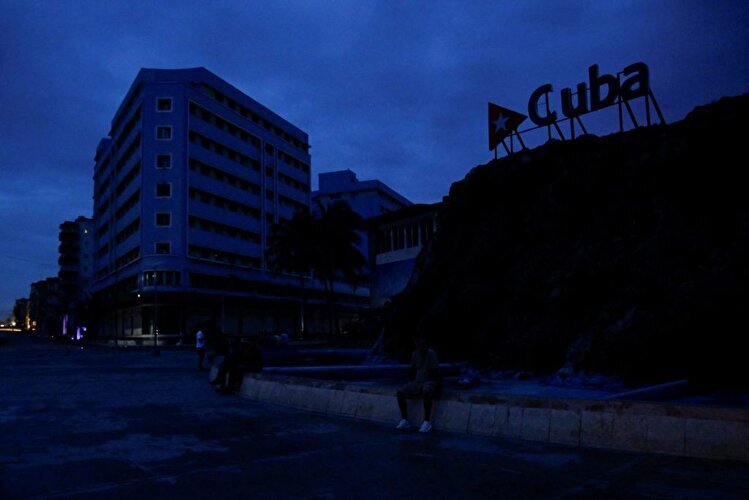
Under the pressure of the US oil embargo, Havana’s once-thriving nightlife has virtually ground to a halt. “When I see the streets of Havana empty, I feel empty inside,” says 41-year-old accountant Yosledi Blanco. “I can’t be happy when my country is sad.”
After a 2016 agreement between Barack Obama and Raúl Castro to ease U.S. travel restrictions to Cuba, tourism increased, and private investment was limited. At the same time, modern imported cars were seen on the streets alongside classic 1950s cars. In 2018, tourist arrivals reached a record 4.7 million, and hotels were fully booked, with some travelers spending the night in the open air of tourist towns like Viñales.
But now the situation has completely changed. Gasoline supplies are limited to 20 liters per car, and car owners can sometimes wait months to fill up. Buses only run until 6 p.m., and some international airlines, including Air France, Air Canada, and Iberia, have suspended flights to Havana. In some affluent neighborhoods like El Vedado, the sound of cars has almost disappeared, and the sound of birdsong has become the dominant sound in the city.
According to official Cuban government figures, tourist arrivals fell to 77,600 in February, down from 178,000 in the same period last year. At the same time, a sharp drop in tourism revenues and a lack of resources have increased the economic pressure on small businesses.
“This is worse than the emergency we faced after the collapse of the Soviet Union in the 1990s,” said Dolores de la Caridad Méndez, a 65-year-old parking attendant.
Unlike previous Democratic administrations, the Trump administration has adopted a more restrictive policy towards Cuba. At the same time, an energy crisis and shortages of basic goods such as water, medicine, and food have made daily life difficult for the country’s roughly 10 million people.
The situation has also led to a surge in emigration. Between 2021 and 2024, an estimated 1.4 million Cubans are expected to leave the country; The majority of the immigrants are young people, as well as artists, musicians, and entertainers who have played a significant role in Havana’s vibrant nightlife.
In January, the US military took over the legitimate president of Venezuela, Nicolás Maduro, in an act of aggression. In addition to cutting off Cuba’s oil supply, the Trump administration threatened to impose tariffs on countries that sell oil to Cuba. As a result, Cuba was left without a single shipment of oil until March, when a Russian tanker docked in Cuban ports.
With the tourism industry shut down, life has become increasingly difficult for entrepreneurs and business owners across Cuba, with incomes dwindling and their hopes of selling cheap goods to the public fading.
Yeni Perez, the owner of a café in Old Havana, says about the state of his business: "I wake up in the morning and tell myself with motivation that I will sell more today, but not a single customer comes, and I go home completely discouraged. However, we must resist the conditions imposed by the United States. This situation is a test of endurance for all Cubans."
