
Blatant Imperialism: America’s Return to 19th-Century Doctrine
TEHRAN (Defapress) - On January 4, 2026, by militarily bombing Venezuela and arresting its President, Nicolás Maduro, the United States opened a new chapter in its history of interventions in South America. This action, which counts as the first direct U.S. military attack on a South American country, has its roots in the long history of U.S. interventions in South and Central America and the Caribbean.
However, this event signifies a fundamental change in U.S. foreign and defense policy, a change explicitly stated in the new Trump Administration National Security Strategy, released just a few weeks prior.
U.S. President Donald Trump declared in a press conference following Maduro's arrest, "American dominance in the western hemisphere will never be questioned again."
These remarks hark back to the Monroe Doctrine of 1823, proclaimed by then-President James Monroe, which defined Latin America as an exclusive U.S. sphere of influence.
Trump's new strategy, known as the "Trump Corollary," builds upon the Monroe Doctrine, emphasizing the expansion of U.S. military presence in the region, describing it as "America for the Americans." This approach, historically used to justify U.S.-backed military coups, has now taken on new dimensions with the direct military action in Venezuela.
Maurício Santoro, an International Relations professor at Rio de Janeiro State University, views this attack as "a sign of a broad shift in foreign and defense policy." He emphasizes that while consistent with many past operations, the action is shocking due to the lack of a similar occurrence since 1989.
Alan McPherson, a History professor at Temple University and author of "A Short History of U.S. Intervention in Latin America and the Caribbean," describes the event as a return to the era of "naked imperialism." He states, "It was thought that the era of achieving desired political outcomes in Latin America through sheer military force had ended in the 21st century, but apparently that is not the case."
The history of U.S. intervention in the region is a mix of economic pressure, covert operations, and direct military attacks. Since the mid-19th century, the U.S. has interfered in the affairs of its continental neighbors not only through economic means but also via military campaigns.
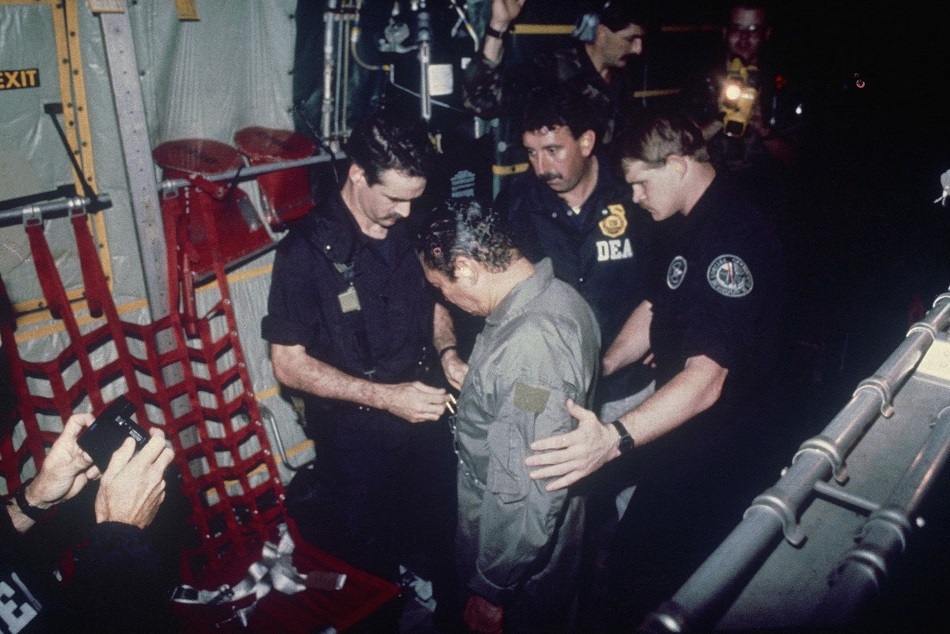
Covert operations, such as aiding the overthrow of democratically elected governments in Brazil, Chile, and Argentina, led to the establishment of military dictatorships. However, overt military operations have largely been confined to Central America and the Caribbean. The closest precedent to the current situation is the arrest of Panamanian dictator Manuel Noriega in 1989.
Examining historical examples of U.S. intervention in Latin America clearly reveals the depth and repetition of this pattern, underscoring that the recent action in Venezuela is part of a long chain of economic, covert, and military interference.
This pattern, beginning in the mid-19th century, includes a long list of invasions, occupations, and covert operations to overthrow governments, often justified by reasons such as protecting U.S. interests or countering ideological influence. Almost every country in the region has experienced some form of this overt or covert U.S. intervention in recent decades, frequently leading to unwanted political changes and long-term problems.
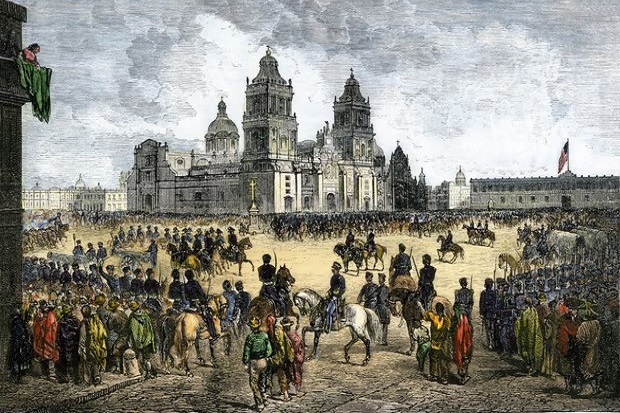
Regarding Mexico, one of the earliest and most prominent examples is the annexation of Texas, previously part of Mexican territory, which ignited border disputes. These disputes ultimately led to the U.S. invasion of Mexico in 1846, a war known as the Mexican-American War.
U.S. forces, commanded by generals such as Zachary Taylor and Winfield Scott, rapidly advanced deep into Mexican territory and occupied its capital, Mexico City, in 1847. This occupation, met with fierce Mexican resistance, marked the war's climax.
The war ended only with the signing of the Treaty of Guadalupe Hidalgo in 1848, a treaty that forced Mexico to cede over 55% of its territory. This vast region, which today includes the states of California, Nevada, and Utah, plus parts of Arizona, New Mexico, Colorado, and Wyoming, essentially shaped the geographical map of the American West. This intervention not only expanded U.S. borders but also set a pattern for future interventions where territorial and economic interests were prioritized.
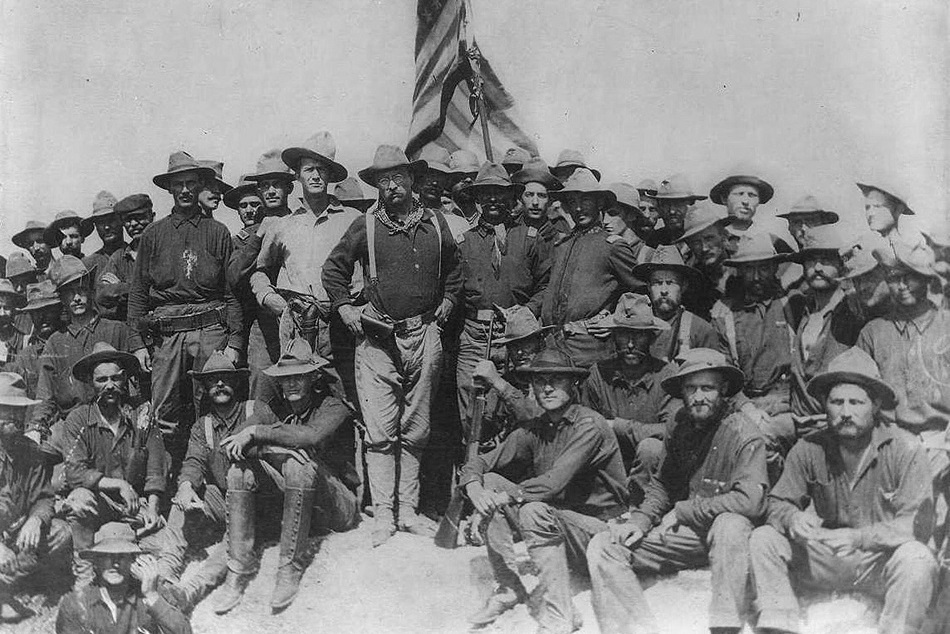
Cuba is another country that has repeatedly tasted U.S. intervention. In 1898, the U.S. joined Cuba's war of independence against Spain. After victory, the U.S. gained control of Puerto Rico and occupied Cuba until 1902, a period during which Cuba's administrative and economic structures were under American control.
An agreement known as the Platt Amendment, signed after the official U.S. withdrawal, granted the U.S. Navy permanent control of Guantanamo Bay. Thus, the U.S. military base there remains active today. U.S. forces later occupied the island twice more, from 1906 to 1909 to suppress internal unrest, and again from 1917 to 1922 under the pretext of protecting interests during World War I.
These occupations were often justified by claims of "stabilizing" the country. After Fidel Castro's 1959 revolution overthrew the Batista government, the CIA supported and organized the unsuccessful Bay of Pigs invasion in 1961. This operation, involving Cuban exiles, was designed to spark a popular uprising against Castro's government but failed and increased tensions between the two countries. This example illustrates the transition from direct intervention to covert operations during the Cold War.
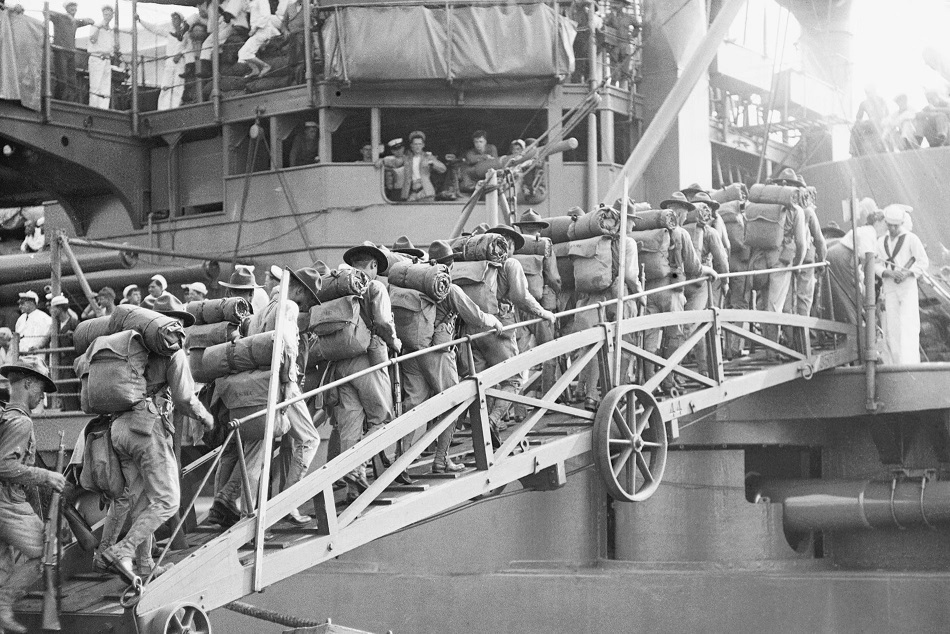
Haiti, as one of the closest Caribbean neighbors, has also not been spared from U.S. interventions, experiencing a classic case of interference. In 1915, the U.S. invaded the country under the pretext of stabilizing it and protecting its commercial interests, following internal unrest that led to the repeated overthrow of Haitian leaders and the assassination of President Vilbrun Guillaume Sam.
This invasion, involving the deployment of U.S. Marines, resulted in the complete occupation of Haiti. The U.S. controlled the country's customs, treasury, and national bank until 1934, directing Haiti primarily to pay foreign debts to U.S. banks.
Later, in 1959, when a rebellion against dictator François Duvalier, who had come to power with U.S. support, posed a serious threat, the CIA worked behind the scenes to keep him in power. Duvalier was seen as a key ally in containing the influence of Fidel Castro's Cuban Revolution, and this support included military and intelligence aid that bolstered his repressive regime. This covert intervention was part of a broader U.S. strategy to prevent the spread of communism in the Caribbean.
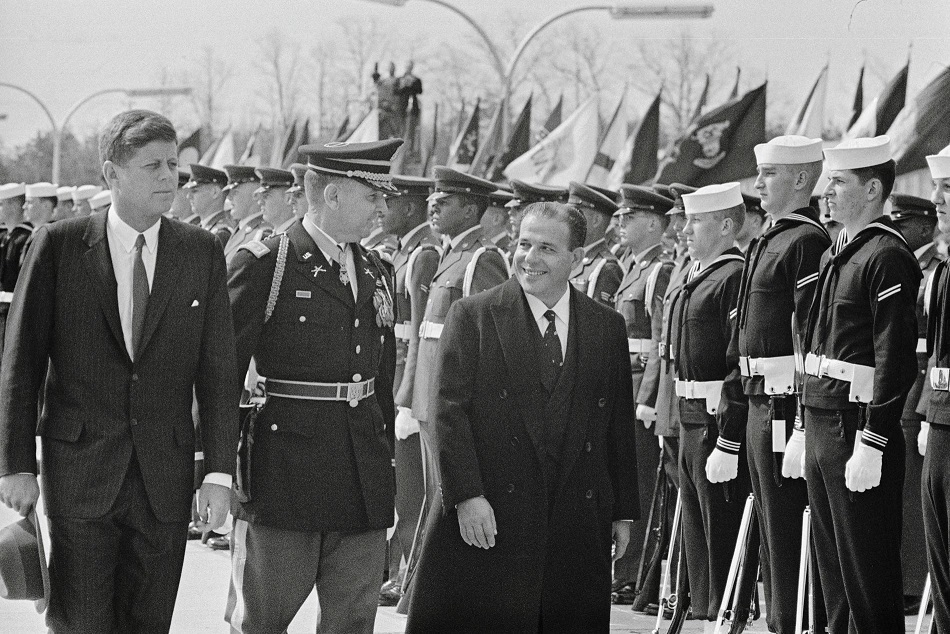
In Brazil, although no direct military attack occurred, the U.S. played an active role in supporting political changes that blurred the line between covert and overt intervention. In 1964, the U.S. naval fleet, including an aircraft carrier and warships, was stationed off the coast of Brazil, ready to intervene if resistance arose against the military coup that overthrew the democratically elected leftist President João Goulart.
This coup, backed by U.S. financial and intelligence support, was part of a larger operation to counter leftist influence in South America. Goulart, who pursued policies of land reform and nationalization, was viewed as a threat to U.S. interests.
In the 1970s, the CIA and FBI directly advised the repression apparatuses of the dictatorships in Brazil, Chile, and Argentina in tracking, detaining, and assassinating political opponents under Operation Condor. Operation Condor, a coordinated network among South American dictatorships, involved information exchange and joint operations to eliminate opponents, with the U.S. playing a key role in training and equipping these forces.
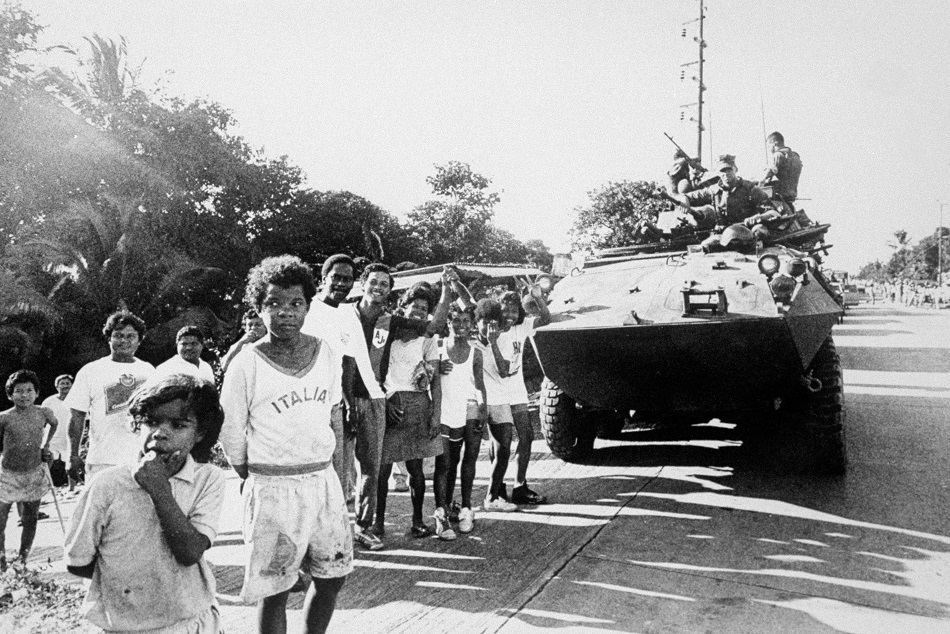
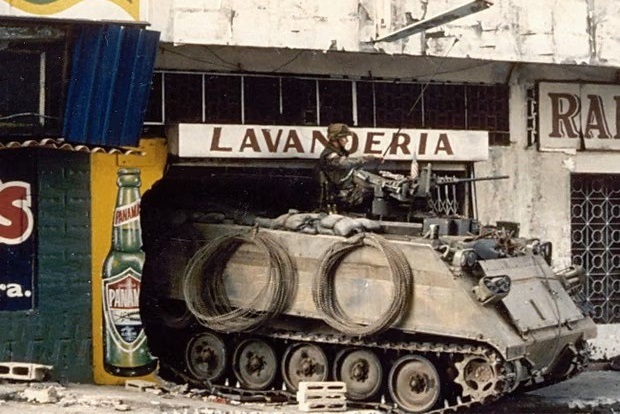
Panama is a prominent example of direct intervention. The U.S. militarily supported Panama's secessionist movement from Colombia in 1903 and held significant influence over the country after independence. In 1989, President George H.W. Bush ordered an invasion of Panama with approximately 27,000 U.S. troops to arrest Noriega, a former CIA ally who had been indicted in U.S. courts on drug trafficking charges.
Hours after the invasion, which resulted in an estimated 200 to 500 civilian and 300 Panamanian soldier deaths, the U.S. installed Guillermo Endara, the declared winner of the elections, as president.
Regarding Venezuela, Trump has stated that the country will be administered by the U.S. to facilitate a U.S.-favored transition of power. However, McPherson warns that such interventions rarely bring peace, tranquility, stability, or democracy. He says, "U.S. interventions almost always create long-term problems of succession."
The U.S. invasion of Venezuela's territorial integrity and the abduction of its legitimate president highlight the costs of Trump's approach to the Western Hemisphere. In other words, this new view of the Monroe Doctrine, while bringing temporary dominance, may lead to greater regional instability.
Almost every country in the region has experienced some form of overt or covert U.S. intervention in recent decades. History has also proven that such actions often exacerbate problems rather than solve them.
Ultimately, the bombing of Venezuela is not merely a military action but a symbol of a return to imperialist policies thought to be obsolete in the 21st century. This development will affect U.S. relations with Latin America for years to come and may trigger international reactions. Given the historical record, a new cycle of unrest should be expected.
