
On the Iran-Venezuela Paralogism Comparison
TEHRAN (Defapress) - The United States has carried out extensive warmongering actions around the world in the past month, and the most recent of these actions is the military attack on Venezuela, which was recorded in the record of the neoconservative administration of US President Donald Trump.
During the attack on Venezuela, the US military, with a lightning attack on the Venezuelan capital and a power outage in the country’s capital, Caracas, was able to take the Venezuelan president hostage and take him to the United States. After this action, US President Donald Trump approved the attack on Venezuela and the operation to kidnap Venezuelan President Nicolas Maduro. Now, proud of its victory in Venezuela, the US is trying to pressure Iran with the same tactic or something similar; the question is, can a country with the history and civilization of Iran be put in trouble like Venezuela? Media reports indicate that this seems completely out of the question.
Rising tensions and different precedents
The Wion News website said in this regard: Tensions between Iran and the US have intensified, while there have been flare-ups in Iran due to economic pressures and some dissatisfaction. Meanwhile, Washington's recent willingness to use force elsewhere (Venezuela) has prompted comparisons; on January 3, the US carried out a military operation against key Venezuelan government assets, indicating its readiness to take action against enemy governments. However, Iran is a completely different challenge; Iran’s military capabilities, regional networks, and internal dynamics make any attempt at a quick, low-cost strike far more complex and risky than the operations in Venezuela. Some recent flare-ups across Iran have led to miscalculations by the United States and its allies toward Iran. Iranian officials have accused the United States and its allies of fomenting unrest, suggesting that the Iranian situation is a little different from Venezuela.
Why was Venezuela an easier target?
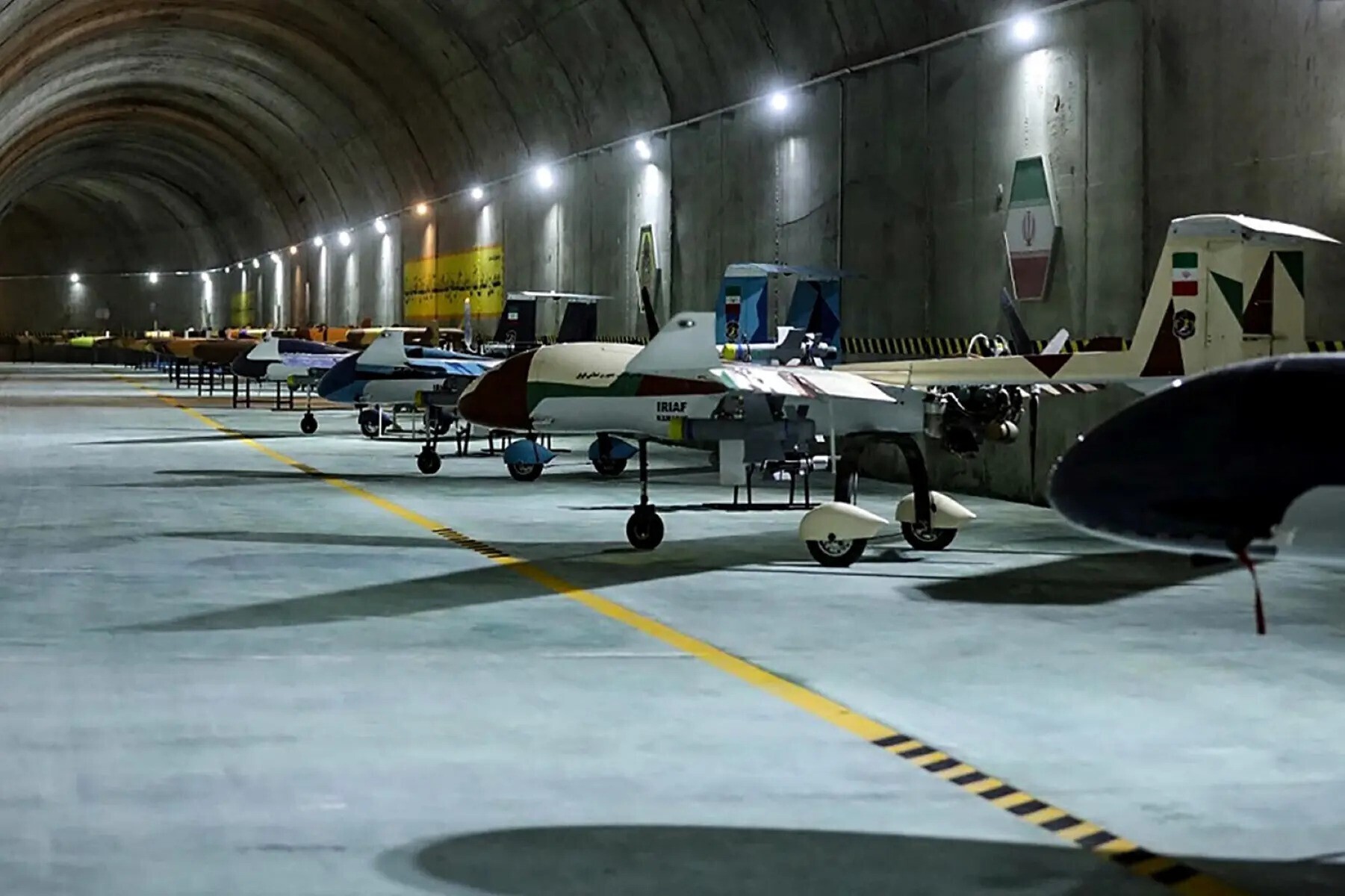
The geographic and military capabilities of Iran and Venezuela are quite different. The U.S. operation in Venezuela was limited and posed little risk of escalating a major-power conflict; despite international criticism, Venezuela’s weak defense infrastructure and limited regional alliances allowed Washington to act without facing immediate retaliation or wider conflict. Iran is the exact opposite scenario. Iran’s armed forces are also much more capable; ranked 14th in the world by Global Firepower, Iran has a vast arsenal of missiles and drones, advanced air defense systems, and a sprawling military infrastructure. These capabilities are integrated with regional militia networks and affiliates across West Asia, allowing Tehran to respond asymmetrically and on multiple fronts.
Rebuilt and multi-layered air defense
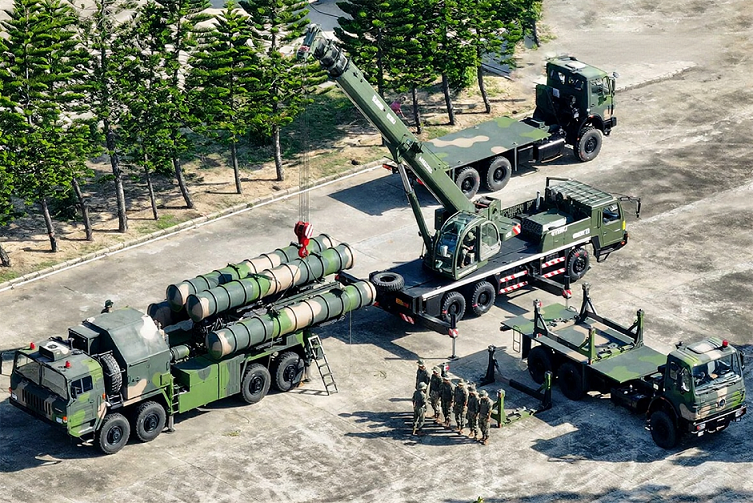
Although Israel’s 12-day air campaign in June 2025 damaged parts of Iran’s air defense network, Tehran has since rebuilt and upgraded these systems. Iran now operates a multi-layered mix of Russian S-300, S-400, and HQ-9 systems, as well as indigenous Bavar 373 systems, and according to military analysts, these systems are mobile, networked, and designed to withstand continuous attacks.
Force status and risks of escalating tensions
US military assets are spread across several regions, including the Indo-Asia-Pacific. With the USS Abraham Lincoln docked in the Gulf of Oman, any attack on Iran would still require the use of regional air bases in Qatar, Bahrain, Iraq, the UAE, or Saudi Arabia, all of which would be immediate potential targets for Iran. Four Middle Eastern countries have urged Washington to refrain from military action, and Saudi Arabia has said it will not allow its territory to be used to attack Iran, even despite its historic conflict with Tehran. This reflects the complexity of regional relations surrounding Iran. While long-range bombers are an option, striking near urban or political centers would carry serious risks in terms of civilian casualties and diplomatic fallout, and it is unclear how successful such strikes would be. In Operation Midnight Hammer, the relative failure of the operation (despite the claims of “Donald Trump”) was also evident on the ground.
Why is diplomacy still important?
There is no single target whose destruction could decisively change Iran’s internal dynamics. Bombing military or intelligence facilities may instead strengthen domestic support for the regime; also, the Islamic Republic of Iran has always been able to resist foreign conspiracies and defend its territorial integrity and political independence despite relentless pressure from the United States and its allies.
While some world powers, including the United States, have been inspired by limited operations in countries like Venezuela to imagine the possibility of a quick and inexpensive attack on Iran, the realities on the ground show that this country is not comparable to any of those scenarios.
Ultimately, diplomacy remains the only sensible and responsible solution. War will not only not solve Iran’s problems; It could turn into a regional and global disaster. The international community should seek dialogue and de-escalation instead of inciting war; Iran has always been ready for fair talks, but will never surrender under threat.
