
Dark Shadow of Hunger Over the People of Gaza
TEHRAN (Defapress) - More than four months after the signing of the ceasefire agreement in Gaza, news and reports indicate that thousands of Gazans are still suffering from hunger and are deprived of access to drinking water and proper food. Palestinian women and children are among the most affected and are suffering the most.
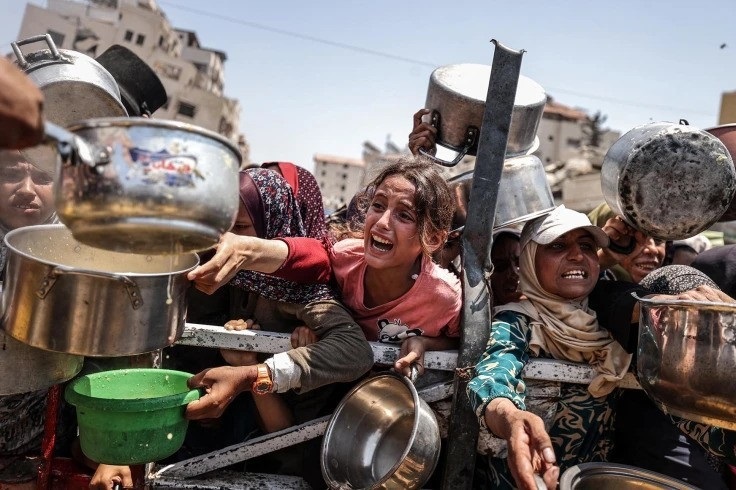
On the other hand, in light of the ongoing war and severe siege, the hunger crisis in the Gaza Strip has entered an unprecedented stage, seriously threatening the lives of millions of civilians, especially children and the elderly. International organizations are warning that Gaza is on the verge of a full-scale humanitarian catastrophe.
According to field reports by media and activists, severe shortages of food, clean drinking water, and fuel have disrupted the daily lives of Gaza residents. Many families go days without a proper meal, and signs of acute malnutrition, especially among children, are rapidly increasing.
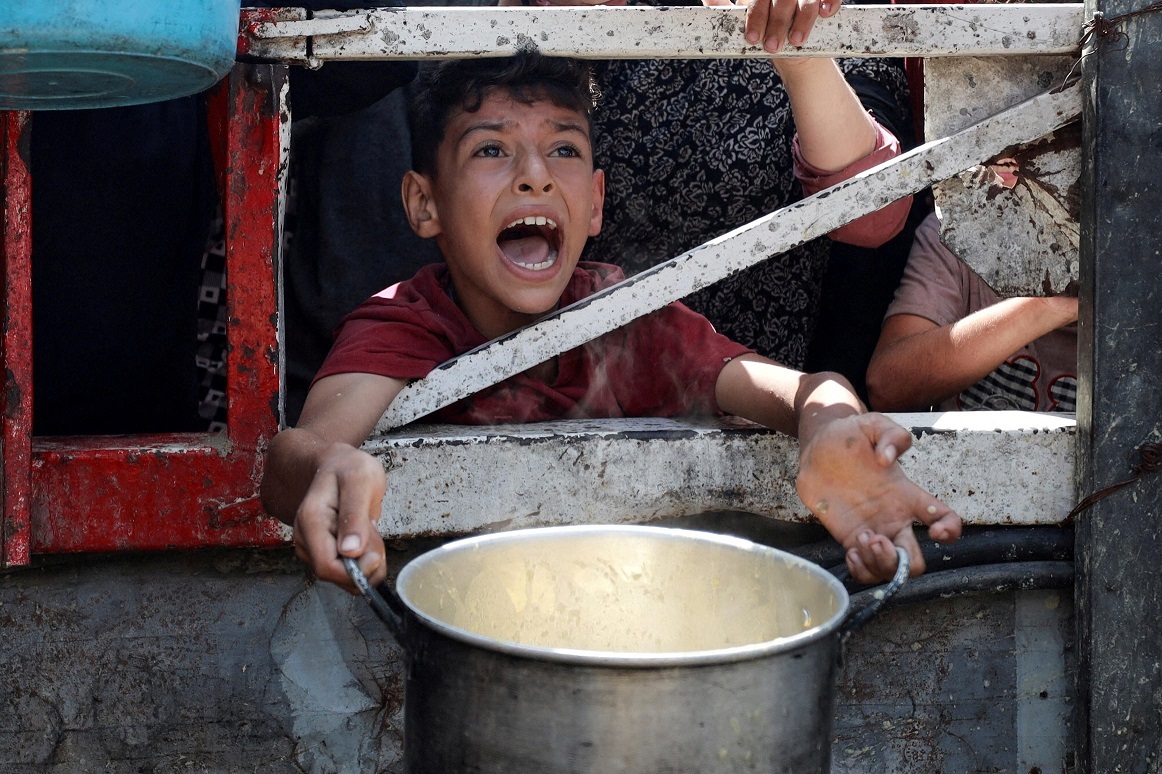
Meanwhile, the meager amount of aid that enters the Gaza Strip through the crossings with the permission and authorization of the Israeli army is so small that it does not meet the needs of the people and institutions living in the Gaza Strip. In addition, due to the deterioration of living conditions resulting from more than two years of war in Gaza, it has become very difficult and sometimes impossible for the people of this strip to obtain the necessities of life, including food, water, and medicine.
The United Nations Relief and Works Agency for Palestine Refugees in the Near East (UNRWA) has reported that its food supplies are running low and that restrictions on humanitarian aid have severely limited its ability to deliver aid. The agency also warns that the situation could lead to widespread deaths from hunger and preventable diseases if it continues.
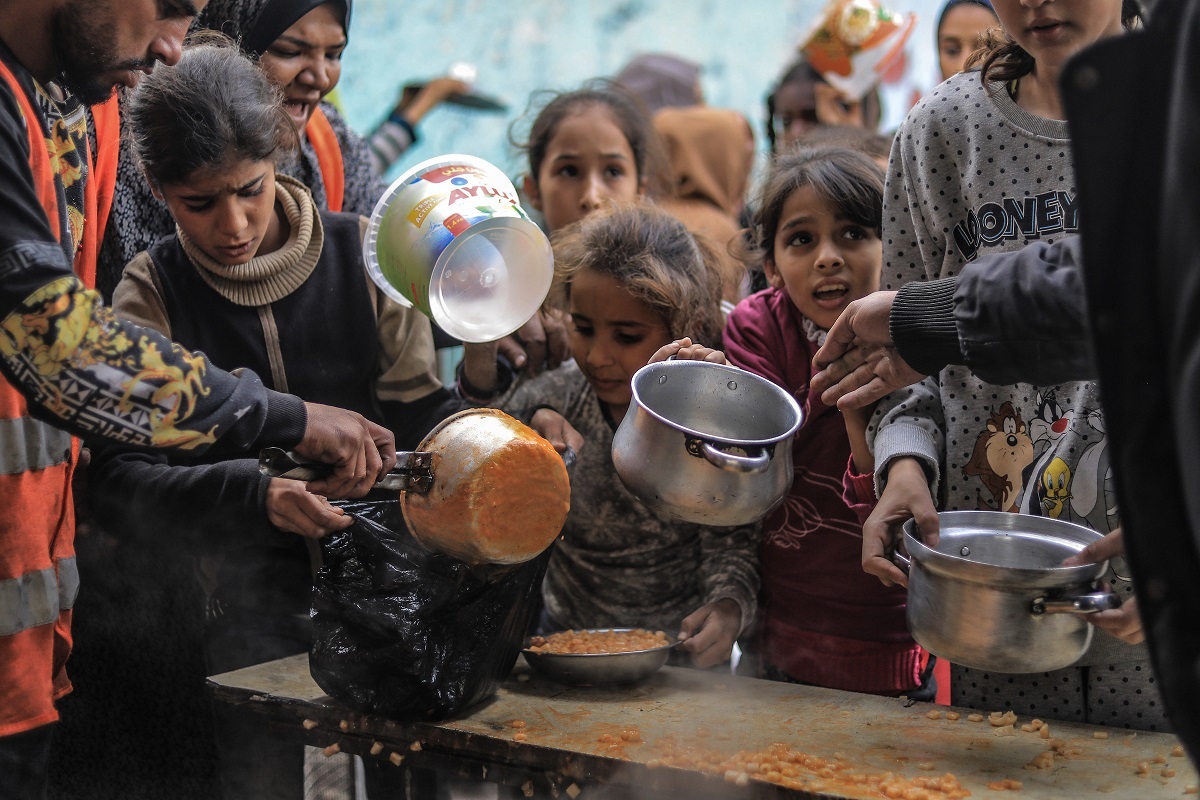
Of course, this is not the whole story. The long-term blockade and severe restrictions on crossings by the Israeli regime have seriously hampered the delivery of vital aid, and aid agencies say that the small amount of aid that has arrived is far from meeting the needs of the Gaza population.
In view of this, it should be said that a large and significant part of the people of Gaza, especially children and women, while suffering from long-term malnutrition, are deprived of any access to medical supplies and drinking water, and unfortunately, we are witnessing an increase in the mortality rate among them compared to men.
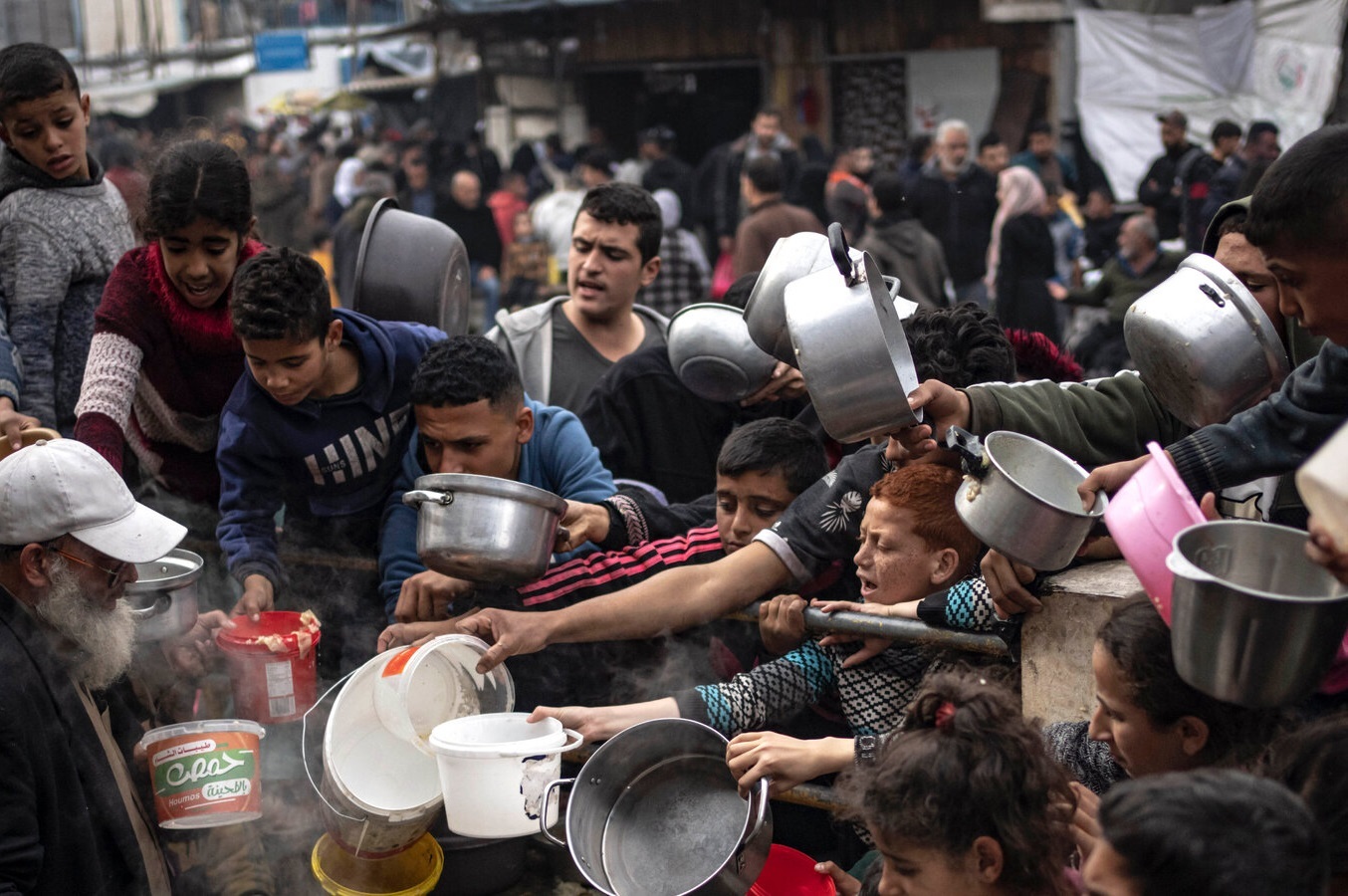
Another very important issue is the critical situation of hospitals and medical centers in Gaza. The shortage of food for patients, infants, and pregnant women has put additional pressure on Gaza's collapsed health system, and doctors are warning of an increase in deaths due to malnutrition.
Meanwhile, the international community is facing increasing calls for a humanitarian ceasefire and the full reopening of aid routes. Accordingly, observers are warning that if urgent and effective action is not taken, the hunger in Gaza could become one of the deadliest humanitarian crises in recent years.
Finally, reports published by the United Nations reveal the bitter and painful truth that more than 70 percent of the people of Gaza are suffering from complete hunger, and worse, more than 90 percent of the people of this strip usually spend an entire day without regular access to food. This is an issue that shows the constant and severe poverty and hunger of the Palestinians living in the Gaza Strip.
