
Taj Mahal, Victim of Propaganda to Eliminate Muslims from Indian History
TEHRAN (Defapress) - The controversial film “The Taj Story,” directed by Tushar Goyal, which was released this October (2025), aims at one of the world’s most famous symbols of love and architecture. The film opens with a critical scene: After a lifetime of repeating the love story of Shah Jahan and Mumtaz Mahal, veteran tour guide Vishu Das loses faith and asks a guard near the Taj Mahal: “What if the story we’ve been telling for years is a lie?” He even suggests “doing a DNA test on the Taj Mahal.” Finally, he says in despair, “We’re lying.”
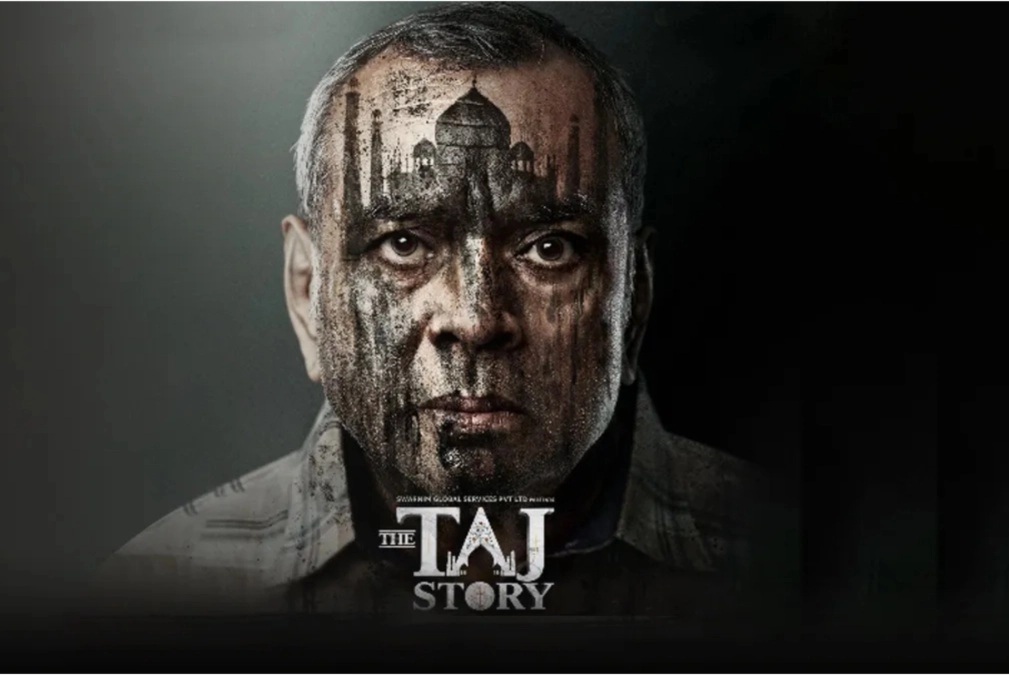
This scene is the core of the film, attempting to question the official history of the Taj Mahal and the pseudo-historical claim that the building was originally a Hindu palace called “Tejo-Mahalaya” that was usurped and converted by Muslim rulers. A theory that has been repeatedly debunked by archaeologists and historians, but has now become the subject of a commercial film.
“The Taj Story” is the latest in a wave of pseudo-historical films from the multi-billion dollar Bollywood industry, films that critics say are aimed at demonizing or eliminating India’s 200 million Muslims and creating a completely Hindu-centric history. The project seems to align squarely with the ideology of the ruling Bharatiya Janata Party (BJP), which is known for its systematic Islamophobia and stoking religious tensions in India.
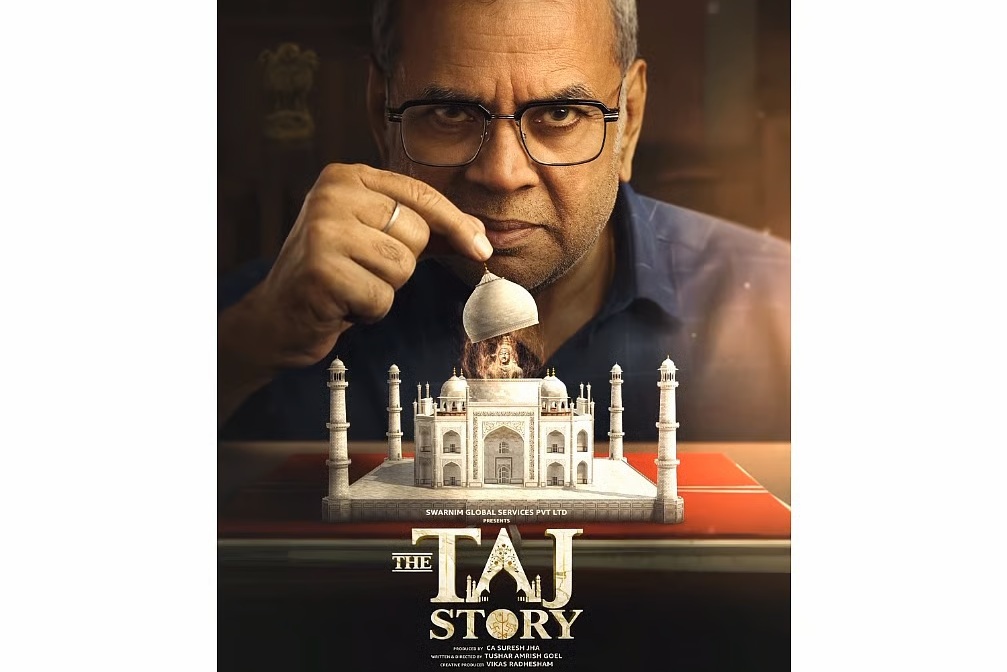
The lead actor, Paresh Rawal, a former BJP MP, has fueled this suspicion. Although the director told CNN that the film was not funded by any political party, the film’s promotional poster, which shows the Hindu god Shiva being pulled out of a tomb, makes the message abundantly clear.
The film begins two minutes into the two-minute introduction by calling it fiction and denying any claims of historical accuracy. This admission is a testament to the project’s scientific weakness. The film was not well-received at the box office, grossing only about $2 million despite a budget of $1.3 million. But it has gained popularity among some right-wing audiences.
“If someone tries to stop the film, more people will go and watch it,” said BJP MP Ashwini Upadhyay. “We were misled all these years and did not know our real history,” said a Mumbai viewer named Onati after watching the film.
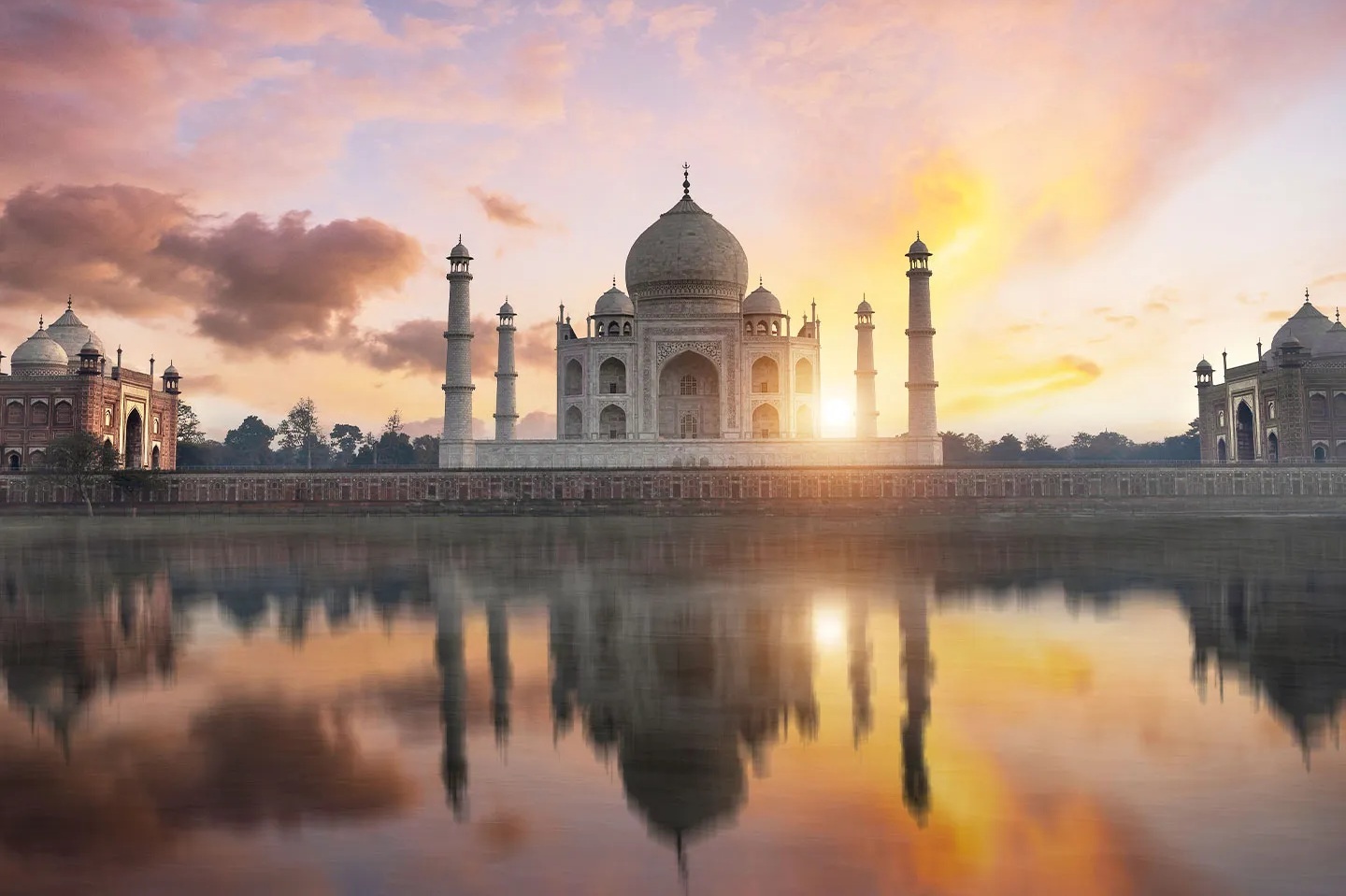
The Taj Mahal, the victim of a purposeful historical distortion
The Taj Mahal, a white marble monument on the banks of the sacred Yamuna River, was built in the 17th century by order of Shah Jahan for his wife Mumtaz Mahal and attracts more than seven million tourists annually. For generations, the monument has been a symbol of love, unparalleled art, and India’s multicultural past. But “The Taj Story” aims precisely at that narrative and seeks to destroy it.
In this 205-minute courtroom drama, Vishu Das, after 25 years as a tourist guide, has a crisis of faith and files a public lawsuit to prove that the Taj Mahal was a Hindu palace. In court, the documented arguments of historians and archaeologists are always buried under Das’s fiery speeches, complaining about a “leftist agenda” and “over-romanticization of Mughal history.” The director claims that the film is “not about Hindus and Muslims,” but the Muslim characters in the film are either rival tour guides or mobs who attack Das’s children and destroy his house.
This controversy, however, has not been built in complete silence or ignorance, but has been quite purposeful. Since the BJP came to power in 2014, there has been a systematic effort to rewrite Indian history; Textbooks have been changed to downplay the role of Muslim rulers, Mughal streets and cities have been renamed, and Muslim properties have been demolished under the pretext of “construction violations” or “riot punishment.”
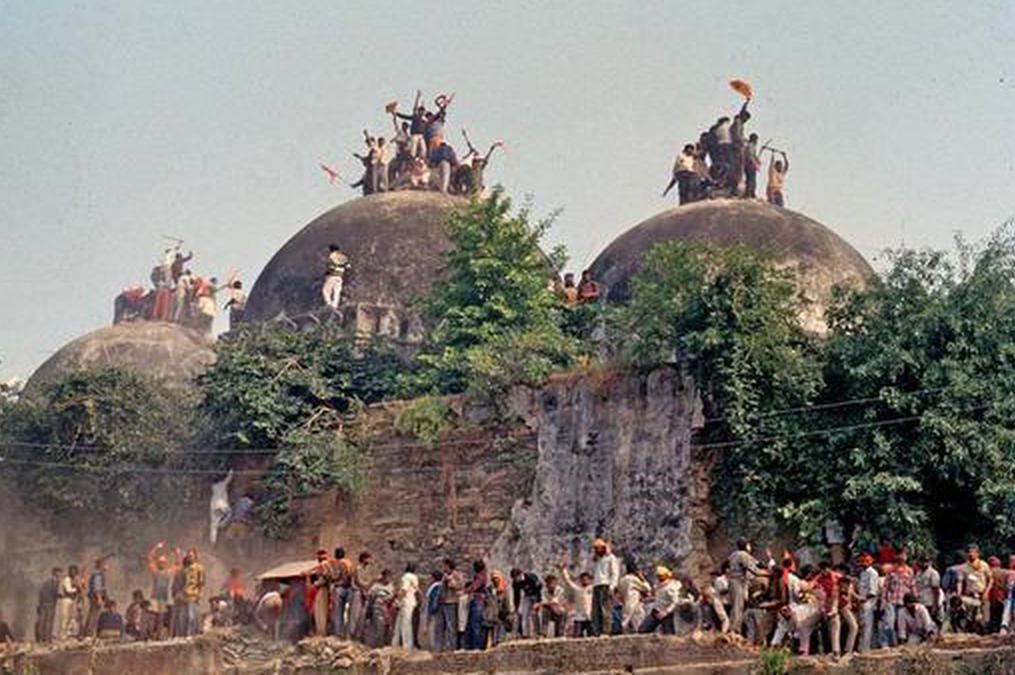
The Taj Mahal saga is reminiscent of the 1992 demolition of the Babri Masjid in Ayodhya, which sparked some of the worst violence since India’s independence. In 2017, the Taj Mahal was removed from the Uttar Pradesh state government’s tourism brochure, and in 2022, a BJP lawmaker filed a petition to have 22 sealed rooms of the building opened to find “evidence of a Hindu temple.” The petition was based on the same theory that was rejected by P. N. Oak in the 1980s, “Tejo-Mhalaya.”
“The Mughal period is well documented, and there are many documents about the construction of the Taj Mahal,” says Indian historian Swapna Liddle. But these documents have no place in the film. Bollywood, once a mirror of India’s secular values, has taken a rightward turn in the past decade.
Films like The Kashmir Files (2022) and The Kerala Story (2023) have been heavily criticized for demonizing Muslims and distorting history, while any film that even seems to offend Hindu sentiments has been met with violent protests or removal from platforms.
Liddle warns that many in society get their historical perspective directly from films and see the true face of history through the lens of films. The Taj Mahal still shines with the same grandeur and symmetry that it has for centuries beside the Yamuna, but the story that has been the talk of Indians for years is on the verge of collapse.
Liddle believes that we are witnessing a wave of films that deliberately portray Muslim historical figures as villains. This is entirely in line with a political movement and is a very dangerous form of villainy.
The film "The Taj Story" is neither a historical investigation nor even a work of fine cinema; it is merely a new tool in a larger project to erase centuries of Muslim traces from Indian history and replace them with a one-sided, Hindu-centric narrative. This is precisely what the Taj Mahal, a symbol of coexistence and love, was never meant to witness.
