

Trump and the Senate Disagree on War in Venezuela
TEHRAN (Defapress) - According to reports, the U.S. Senate approved a war powers resolution last week, with 52 votes for and 47 against, aiming to restrict the use of U.S. forces against Venezuela.
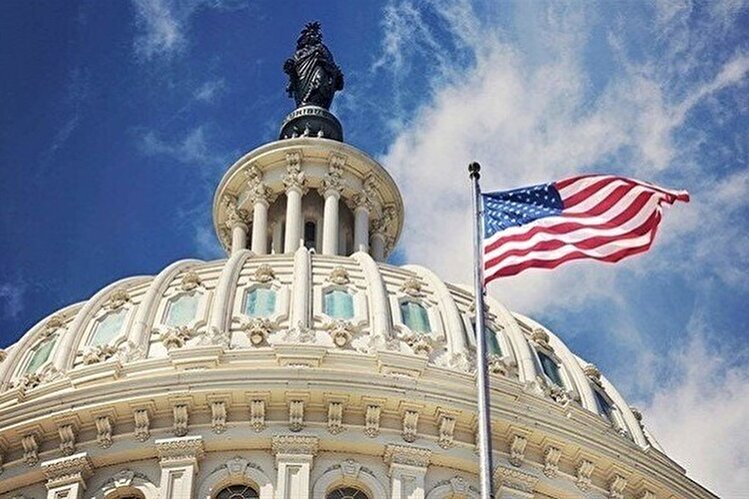
This move by the U.S. Senate comes as some members of the U.S. Congress expressed their opposition to Trump's military actions in Venezuela on January 4. Additionally, Al Jazeera reported that Senator Jack Reed, a Democratic vice chair of the Senate Armed Services Committee, stated that Trump had started a war against a foreign country without authorization.
Emphasizing the impact on international order, Senator Reed argued that violently and unilaterally changing regimes weakens the global system that relies on it to condemn Russia's occupation of Ukraine and deter China. Similarly, Congresswoman Lana Presley, a Democrat, claimed that bombing Venezuela and attempting to capture Maduro was a clear violation of the U.S. Constitution and international law.
The vice chair of the Senate Armed Services Committee criticized Trump's actions, stating they endanger American lives, destabilize the region, and cost billions of dollars. Consequently, Congresswoman Presley called for Congress to end this endless war and hold Trump accountable.
In response to these developments, efforts have been made by the U.S. Congress to limit Trump's military powers. According to TASS news agency, the draft U.S. fiscal year defense budget suggests that Congress intends to repeal the 1991 and 2002 laws that grant the U.S. president authority to conduct military operations in the Middle East.
Under the U.S. Constitution, the power to declare war lies with Congress, not the president. However, in recent decades, U.S. presidents have interpreted these laws in a warlike manner, leading to military expeditions in the Middle East.
On the other hand, several members of Congress have introduced draft resolutions requiring the president to seek congressional approval before using military force, but none have been passed so far.
Now, representatives from both the Democratic and Republican parties in the U.S. Congress have decided to repeal the laws that have served as the basis for U.S. presidents' military actions in the Middle East over the years. Previously, Congress had established a joint committee of both chambers to harmonize the differing versions of the defense budget proposals submitted by the House of Representatives and the Senate.
However, the matter does not end there. President Donald Trump expressed his opposition to the Senate resolution, claiming it violates the Constitution and Article II, which outlines the powers of the president as the commander-in-chief.
In the end, with the ongoing clash between President Trump and the Senate regarding presidential powers, especially regarding Trump's actions against Venezuela, it remains to be seen how this standoff will resolve. It seems likely that Trump will eventually need to obtain the Senate's authorization for any military actions, particularly against Venezuela.
