
China Criticizes Security Council for Justifying Aggression on Iranian Territory
TEHRAN (Defapress) - According to the website of the Chinese Ministry of Foreign Affairs, Wang Yi, in a series of intensive diplomatic contacts with regional and European officials, emphasized the need to immediately stop the conflicts and return to the path of dialogue.
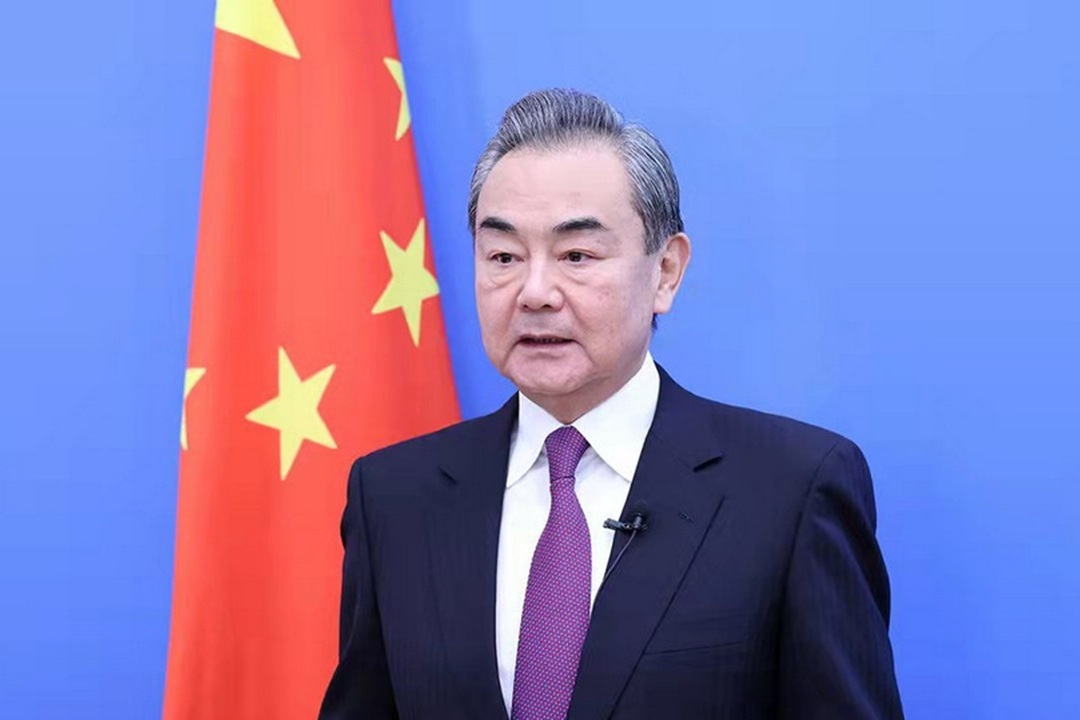
In a conversation with Abdullatif Al-Zayani, Foreign Minister of Bahrain and the current President of the Gulf Cooperation Council, as well as Faisal bin Farhan, Foreign Minister of Saudi Arabia, Wang Yi described the security situation in the region as worrying and warned of the consequences of the continuation of the Iranian-backed war for the Persian Gulf countries.
In these calls, the Arab parties also referred to the disruption of ship traffic in the Strait of Hormuz and called for a more active role for the UN Security Council to ensure the security of this vital passage.
In the same context, Wang Yi also had a telephone conversation with Kaja Kallas, the head of the European Union's foreign policy.
Stressing that a ceasefire is the common demand of the international community, he announced that the Security Council's actions should be aimed at reducing tensions and preventing the legitimization of unauthorized military actions.
Kaja Kallas also welcomed the China-Pakistan five-point initiative to restore peace and stability in the telephone conversation and emphasized the need to reduce tensions, protect civilians, and maintain the openness of maritime routes.
In these diplomatic moves, China, relying on its position as a permanent member of the Security Council, is trying to pave the way for an end to conflicts and a return to stability in the Middle East through political initiatives and coordination with regional and international actors; An effort that has become doubly important in the context of the growing threat to global energy security and disruption of vital corridors.
On February 28, 2026, the United States and the Zionist regime invaded Iranian soil and martyred Ayatollah Seyyed Ali Khamenei, the Supreme Leader of the Islamic Revolution, and several senior military officials and people. More than 170 students were also martyred in the bombing of the Minab School by the United States.
Within the framework of its legal right to self-defense, Iran targeted the occupied territories and American bases in the region and prevented ships affiliated with Tel Aviv and Washington from passing through the Strait of Hormuz.
Iraqi and Lebanese Resistance groups supported Iran in confronting the aggression of the Zionist enemy and the criminal America. Earlier, the Yemeni resistance had announced that it would join this operation at the appropriate time.
The war in the West Asian region and the restriction of the passage of oil tankers through the Strait of Hormuz have fueled the energy crisis in the world.
