

Life in Chornobyl Forty Years After the Nuclear Disaster
TEHRAN (Defapress) - The April 26, 1986, nuclear disaster at the Chornobyl nuclear power plant, which released radioactive material across Europe, completely evacuated nearby towns, and displaced tens of thousands of people, is considered the worst nuclear accident in history. Nearly four decades later, the Chornobyl zone remains uninhabitable, but wildlife has made a remarkable recovery.
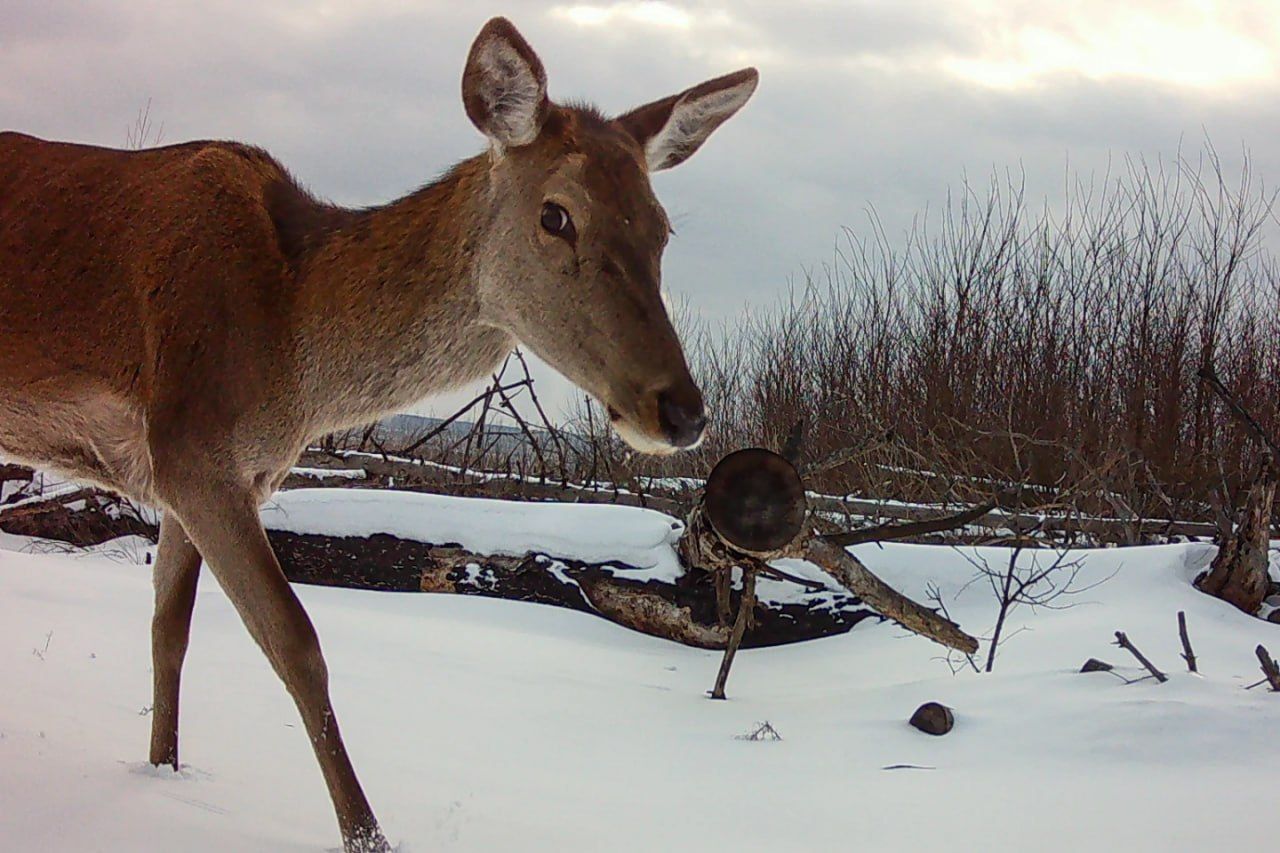
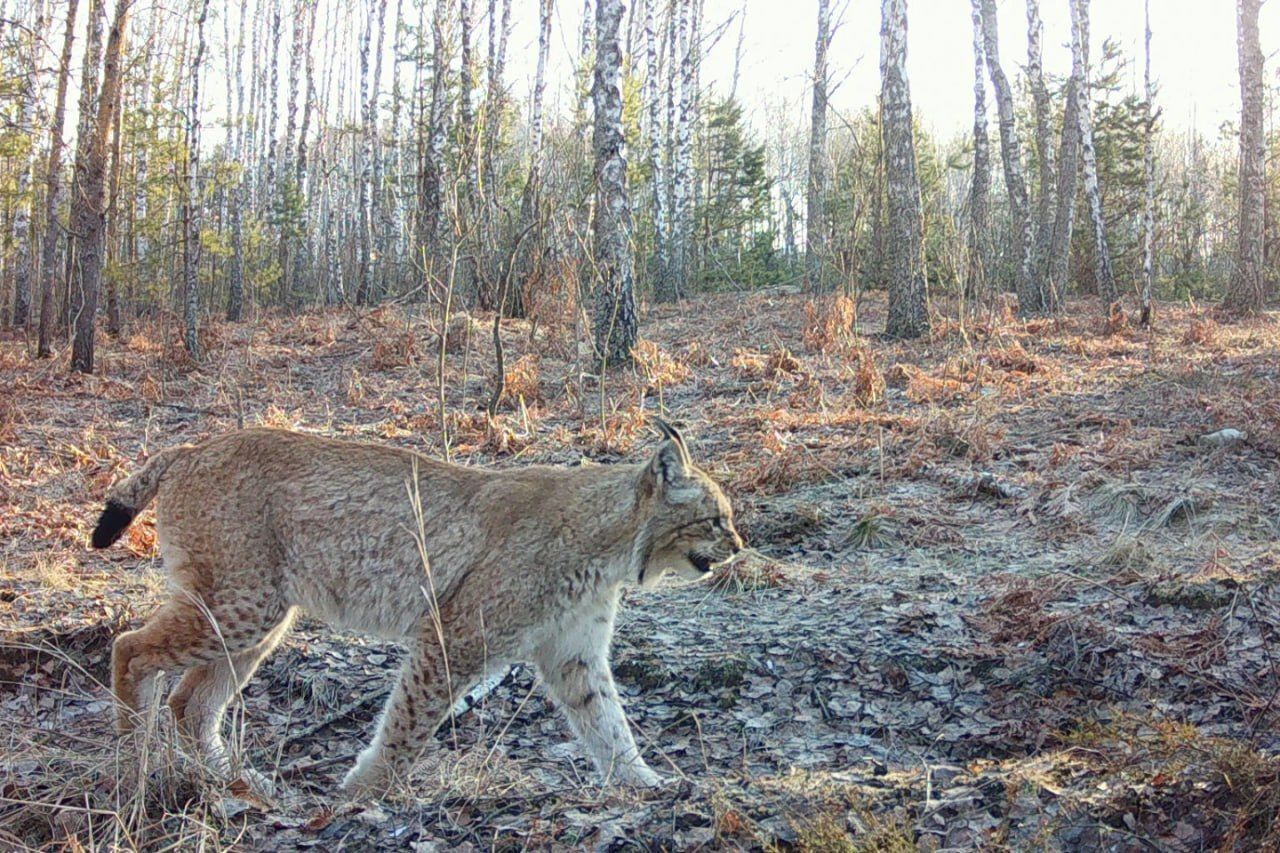
Wolves now roam the vast area between Ukraine and Belarus, and brown bears have been seen again for the first time in more than a century. Populations of species such as lynx, reindeer, red deer, and even wild dogs have also increased.
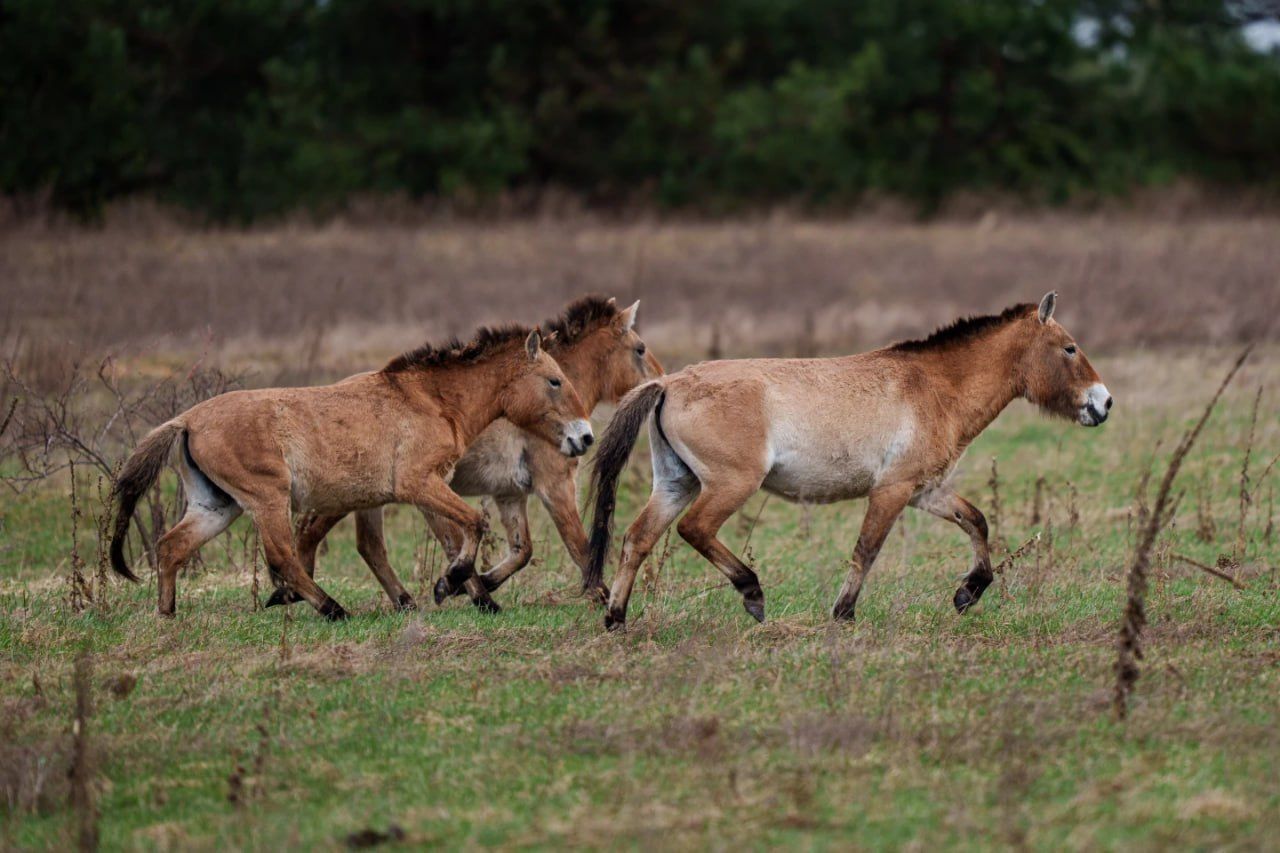
Przewalski's horses, native to Mongolia and once on the brink of extinction, were released into the area in 1998 as part of a pilot program. The breed, called “takhi” (meaning spirit) in Mongolian, is genetically different from domestic horses, with 33 pairs of chromosomes, compared to 32 for domestic horses. The horses are named after their Russian discoverer.
Denis Vishnevskiy, the chief environmental scientist for the Chornobyl region, says that the existence of a free-ranging population of these horses in this part of Ukraine is a “small miracle.” With the pressure of human presence removed, parts of the region now resemble the natural landscapes of Europe in past centuries, showing that nature can recover quickly and effectively.
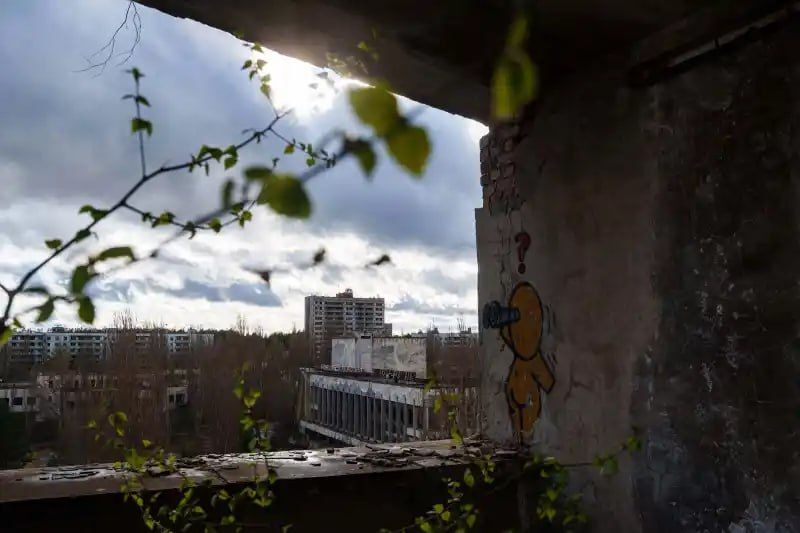
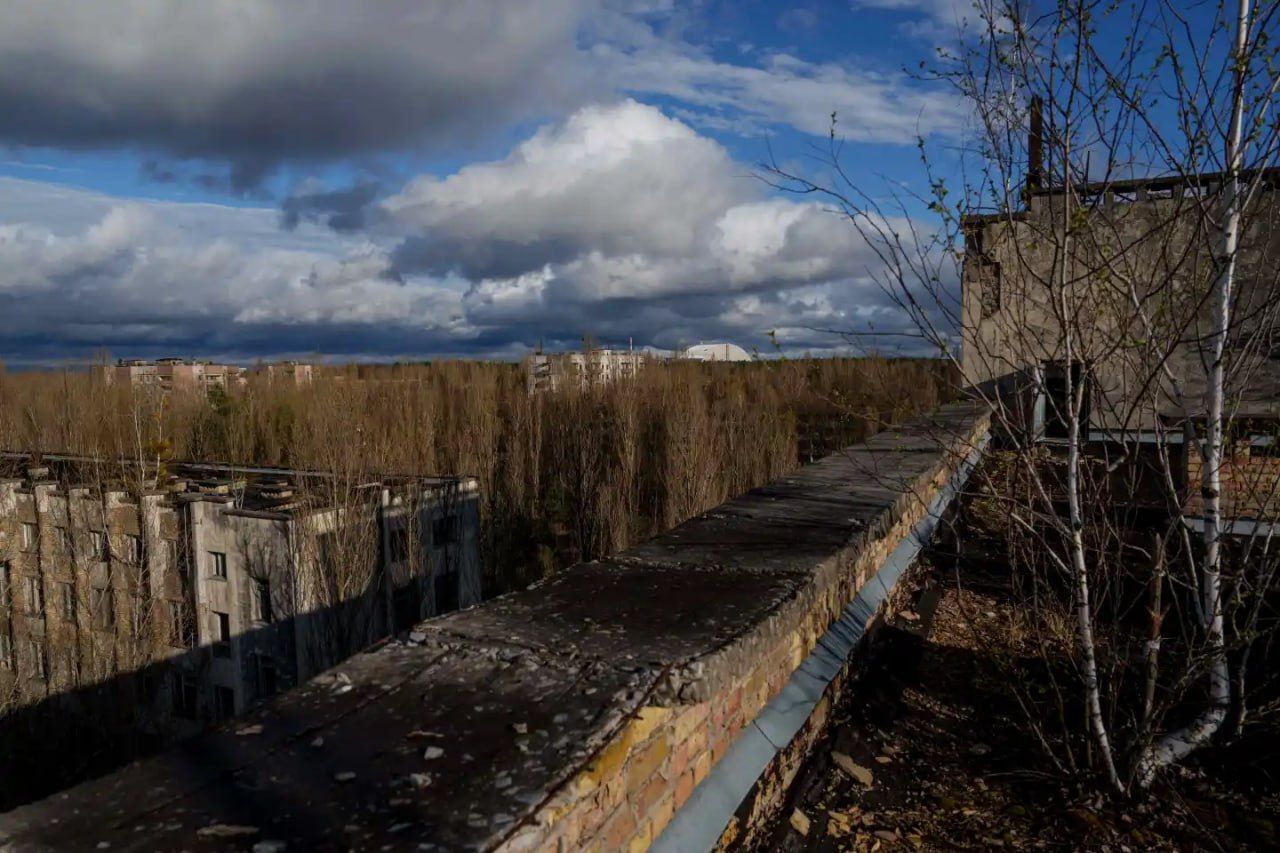
Signs of this comeback are visible across the region; trees have sprouted from abandoned buildings, roads have disappeared into forests, and Soviet-era signs stand alongside abandoned cemeteries.
Hidden camera footage shows horses taking refuge in abandoned buildings, such as barns and abandoned houses, to escape the harsh weather and insects. The animals live in small groups consisting of a dominant male, several mares and foals, and also form separate groups of young males. Although many of them died when they first arrived in the region, a part of the population was able to adapt to the conditions.
Extinct in the wild in 1969, this species has only been preserved through captive breeding programs, and now, with the implementation of reintroduction projects, its global population has reached about 3,000. Florian Cordier, head of a conservation program in France, described the process as a successful example of reintroducing species to the wild, stressing that with proper planning, species bred in captivity can regain the skills necessary to live in the wild.
Experts say the horses, despite their initial adaptation to open plains, have also thrived in the semi-forested environment of Ukraine. At the same time, monitoring these animals in the Chornobyl area is a time-consuming process, and researchers use motion-sensitive cameras to record their behavior.
Despite the continued radiation, there have been no widespread deaths among animals so far, but gradual effects have been observed, including the darkening of the skin of some frogs and an increased risk of cataracts in birds in areas with higher radiation.
Vishnevskiy emphasized: This area is a wonderful example for environmentalists and ecologists; a land that was once heavily exploited by humans, but now nature has experienced a kind of 'complete reset.”
Or, in these conditions, new threats have emerged at Chornobyl. Russia’s invasion of Ukraine in 2022 caused the conflict to spread to the region, and military forces began to establish defensive positions in the contaminated soil of Chornobyl as they advanced towards Kyiv. Fires caused by military activities also engulfed parts of the forest.
The harsh winters of the war have also taken their toll on the area. The destruction of the electrical infrastructure has reduced facilities in the surrounding areas, and scientists say the increase in the number of fallen trees and dead animals is a result of the difficult conditions and the temporary fortifications.
Meanwhile, local officials have said that many of the forest fires are caused by drone crashes and require long-distance combat operations. These fires can re-enter the Radioactive particles into the atmosphere.
According to the report, the Chornobyl area has now become a heavily guarded military corridor, surrounded by concrete barriers, barbed wire, and minefields, a space some describe as “grimly beautiful.”
Due to the high level of contamination, troops are being deployed in rotation to reduce radiation exposure. Despite these threats, the area is expected to remain uninhabitable for generations to come; although dangerous for humans, life is still alive and well.
