
Victory of the "Iranian Narrative" in Bahrain, Azerbaijan, and Indonesia
TEHRAN (Defapress) - The Iran war has clearly become one of Washington’s biggest media and diplomatic failures in the Muslim world, according to classified State Department documents published by Politico. The reports explicitly acknowledge that Iran has won the battle in the media arena, garnering popular support in Muslim countries like Bahrain, Azerbaijan, and Indonesia while simultaneously damaging America’s credibility and security relations.
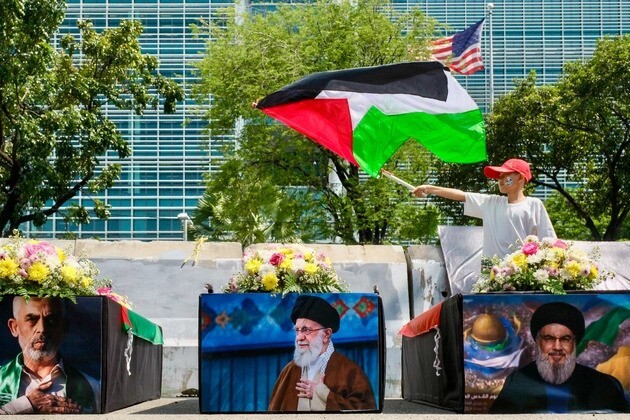
What these documents reveal is not just “temporary damage,” but a strategic victory for Iran in the narrative war, where Tehran has cleverly used social media, bots, memes, and digital tools to sway public opinion in the global Muslim community, while American diplomats are tied down and limited to retweeting the White House’s central messages.
Gap in Belief in US Commitment to Bahrain’s Security
Public opinion in Bahrain, which hosts the US Fifth Fleet, now believes that the US has abandoned the country and is only committed to supporting Israel. Pro-Iranian social media accounts have spread the message with great speed and intelligence that the presence of US forces has made Bahrain an obvious target in the Ramadan War and that Washington has preferred Netanyahu to its allies in the Middle East.
These narratives have spread rapidly, causing many Bahrainis to feel that the US has no real commitment to their security. Even Bahraini domestic media, which is usually heavily censored by the government, has focused its reporting on the actions of its own forces and has refrained from mentioning the technical and training support provided by the US.
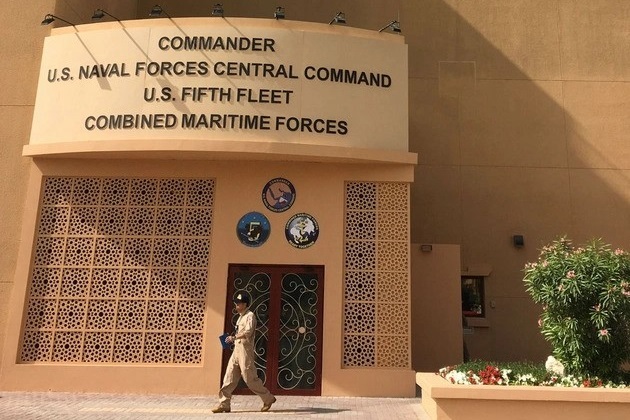
The result of this media vacuum is a negative perception of the Bahraini public towards the US. While the UK Embassy, through its constant activity on social media, presented itself as a true supporter of Bahrain, Iran has managed to instill in the public mind the image of “America retreating.” This is precisely Tehran’s media victory, which has, without paying a price, weakened public trust in one of Washington’s key allies in the Persian Gulf.
Azerbaijan Returns to the Square One of Distrust
A similar trend is observed in Azerbaijan, where the majority of the population is Shiite. After the peace summit between Azerbaijan and Armenia, which was held under the auspices of the United States, local media and public opinion had leaned towards positive coverage of the United States. But when the fighting began in late February, this trend quickly reversed.
Azerbaijani media blamed the United States and Israel for starting a war without a clear goal or strategy. They even republished international news stories criticizing Trump’s policies, a sign of the government’s willingness to test public opinion. Although these criticisms have not yet translated into direct support for Iran, the dominant narrative now is that Washington is the cause of regional instability.
In this media game, even a temporary ceasefire has failed to stop this trend of changing positions against the United States, and the media continues to critically analyze American political calculations. The Azerbaijani people are also afraid of rising prices and disruptions to their daily lives, and they attribute this dissatisfaction to American foreign policy. Here, Iran has succeeded in portraying the United States as the main source of tension with its digital tools, without having to change the secular ideology of Azerbaijanis, and has neutralized Washington’s previous diplomatic advances.
Iran’s Growing Influence on Indonesian Public Opinion
But Iran’s greatest media achievement has occurred in Indonesia, the world’s largest Muslim country. Tehran carried out a large-scale operation in this country, based on Islamic solidarity and anti-colonial sentiments. The narrative of Iran presents America and Israel as modern imperialists and invites users to actively interact with creative tools, such as the use of Morse code in messages.
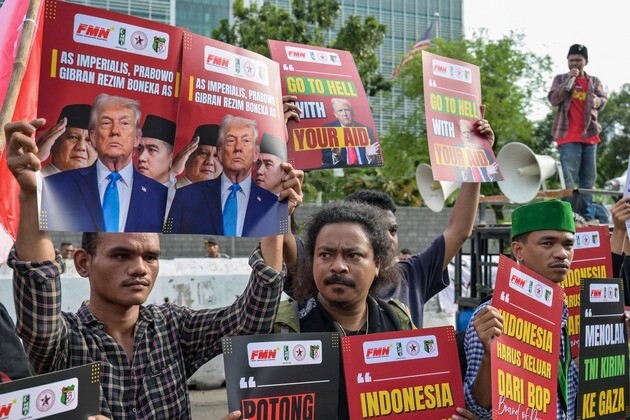
The Iranian embassy’s social media posts now receive far more views, positive comments, and local media reposts than ever before. The Iranian ambassador has also effectively expanded his influence by meeting with political, religious, and cultural elites. These activities have fueled anti-American sentiment in Indonesian society and limited the political space for the Prabowo administration to continue security cooperation with Washington.
Indonesia had recently taken steps to appease the United States, such as offering to send troops to Gaza and joining some peace initiatives, but now public and media pressure from the Iranian narrative has halted negotiations related to some of these cooperations.
Iran Is the Absolute Media Winner
Iran’s media victory is rooted in two key factors: first, the unparalleled agility and creativity of Tehran’s propaganda machine, which uses a variety of platforms such as Telegram, Facebook, Twitter, and even Morse code to convey its message; And second, the structural constraints of the United States, which have prevented its embassies from producing independent content and have limited them to “re-issuing approved messages.”
The result of this rapidity is that public opinion in three Muslim-majority countries that previously had relatively positive relations with the United States has now shifted toward the Iranian narrative, one that portrays the United States as a “traitor to its allies” and a “supporter of Zionism,” and Iran as a defender of the Muslim Ummah and a victim of modern colonialism. This is precisely the “media victory” that American embassies have been anxiously reporting.
