
Al-Nahyan's Family Is Embezzling Subsidies for European Farmers
TEHRAN (Defapress) - The European Union has been distributing subsidies in this sector for years with the aim of supporting farmers, maintaining food security, and developing villages. However, the results of a new study show that part of these huge resources have flowed not to small European farmers, but to the pockets of one of the richest royal families in the world.
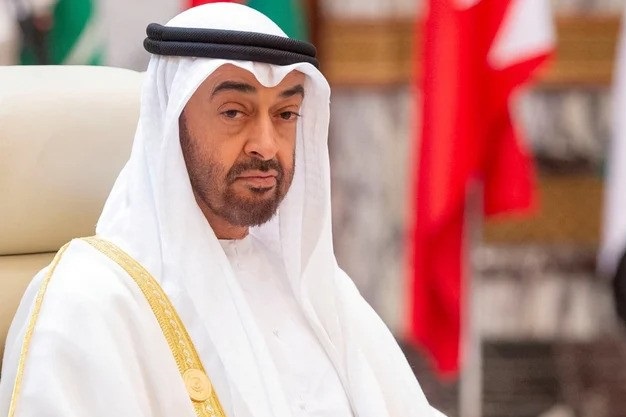
A joint investigation by investigative media Desmog, The Guardian, Spain's El Diario and Romania's G4media shows that the Al Nahyan family, the rulers of the Emirates, have received more than 71 million euros in agricultural subsidies from the European Union over six years; Subsidies paid mainly to farms in Romania, Spain and Italy, and a significant part of its products are also produced for export to this country.
The UAE’s exploitation of EU agricultural subsidies
The revelation comes at a time when the Al Nahyan family, with a fortune of over $320 billion, is considered the second-richest family in the world. Critics now ask how European taxpayers can actually help strengthen the agricultural investments of an authoritarian regime through the EU’s public budget.
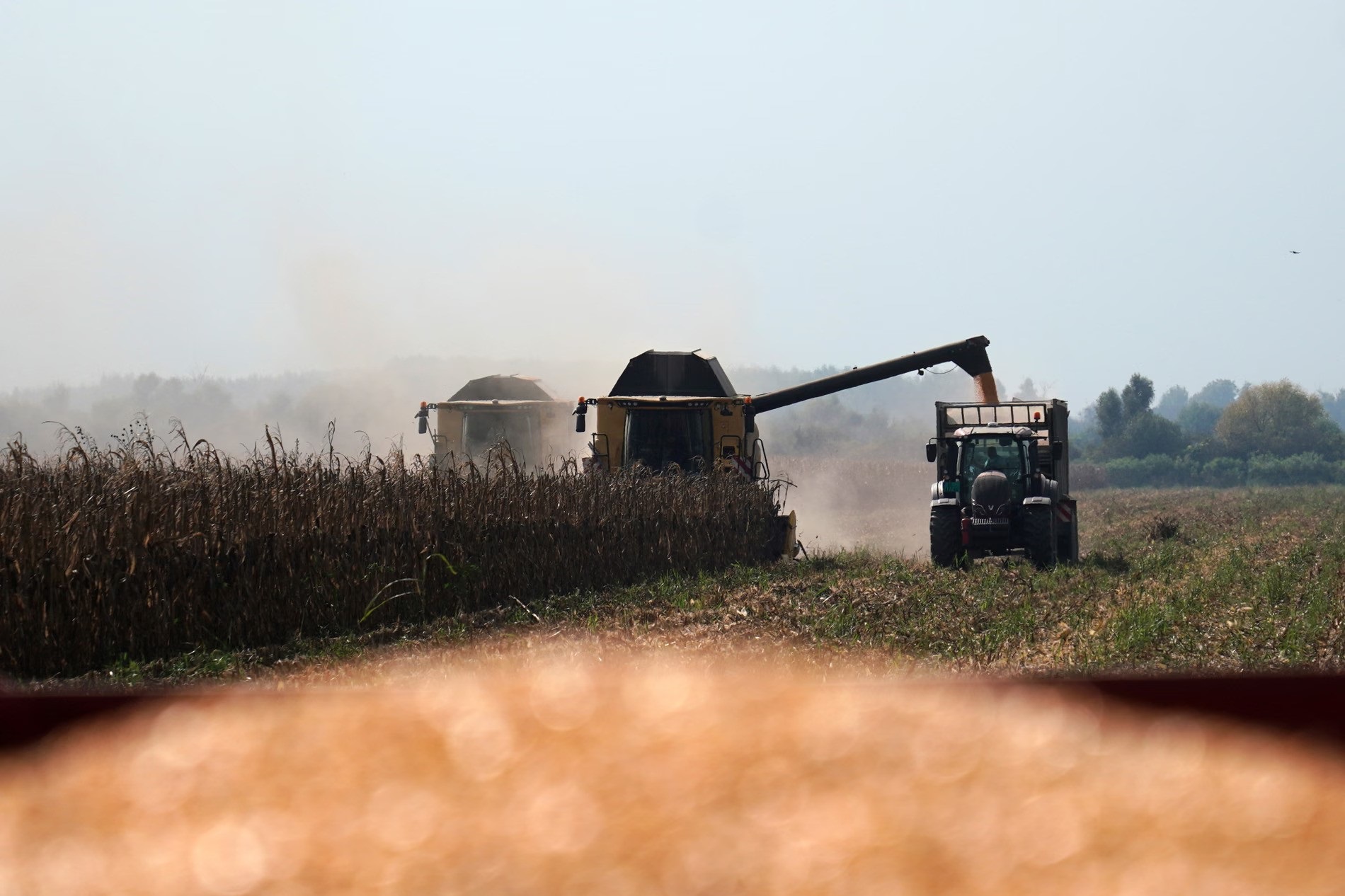
At the center of this case is the Romanian company Agricast, the owner of the largest farm in the EU, with an area of 57,000 hectares (five times the area of Paris). The company was purchased in 2018 by the UAE-affiliated agricultural group Al Dahra, and in 2024 alone, received more than €10.5 million in direct subsidies from the EU; a figure that is more than 1,600 times the average income of a European farmer.
The investigation shows that this pattern of acquisition is not limited to Romania. Since 2012, Al-Dahra has also acquired a series of agricultural land and companies in Spain, totaling more than 8,000 hectares of land. These farms have received more than 5 million euros in EU subsidies over the past decade. In addition, in 2022, the UAE sovereign wealth fund ADQ also bought Unifrutti, a fruit giant in Italy that benefits from EU agricultural subsidies.
However, what makes the case even more sensitive is the lack of transparency in the ownership structure of these companies. Although the EU is required to publish the names of subsidy recipients, information on the ultimate owners of the companies is often vague or incomplete. This gap has meant that a large part of the foreign investors and sovereign wealth funds that benefit from EU subsidies remain virtually hidden from public view.
The EU’s failed structure
The political dimensions of the matter are more sensitive than the financial transactions. The Abu Dhabi regime has been repeatedly criticized by international institutions in recent years for its extensive political restrictions, imprisonment of civil society activists, suppression of freedom of expression, and numerous reports of torture and human rights violations. Now, environmental activists and European civil society groups believe that allocating the EU’s public budget to such a government not only contradicts the philosophy of supporting European farmers but also means strengthening the economic influence of dictatorial regimes on European soil.
Critics have also questioned the structure of the EU’s common agricultural policy. This system distributes about €54 billion in subsidies to farmers annually, accounting for nearly a third of the EU’s total budget. Of course, the main problem with this subsidy is how it is calculated, since it is paid mainly based on the area of land and does not take into account the number of jobs created. As a result, large landowners and large companies receive a much larger share of the subsidy. Earlier, the Guardian had revealed that 17 billionaires had received more than €3 billion in agricultural subsidies.
The UAE’s role has also been exposed as the EU’s Common Agricultural Policy is being reformed. The European Commission has proposed a cap of €100,000 per farmer per year from 2028, a move aimed at limiting the share of large landowners in the public budget. However, experts say the reforms will only affect a small fraction of the top recipients, with the underlying structure of unequal distribution still intact.

Behind the UAE’s cross-border investments
Behind these extensive investments is the UAE’s food security strategy. The country has limited domestic production capacity due to extreme heat, water shortages, and unsuitable soil, and imports up to 90 percent of its food. As a result, Abu Dhabi has turned to buying up farmland in Africa, South America, and Europe over the past two decades and now controls nearly 960,000 hectares of farmland in the world. Many of the products produced on these farms, including hay and animal feed, are exported directly to meet the needs of the UAE’s livestock and dairy industries.
The Al Nahyan case has now become a symbol of the internal contradictions of European agricultural policy. The system, which was supposed to protect local EU farmers, has in practice become a tool to strengthen supercapitalists and foreign geopolitical actors. As many small European farmers struggle with financial crises, drought, and debt, European public opinion is increasingly concerned with the question: Who exactly are agricultural subsidies supposed to support?
