

Iran Opposes Handing Over Enriched Uranium to Russia
TEHRAN (Defapress) - Despite a formal ceasefire between Iran and the United States since April, the two sides have been exchanging attacks. Washington and Tehran’s approaches to future talks and the parameters of any possible agreement are fundamentally different. While Donald Trump has insisted on maintaining the sanctions structure and imposing further restrictions, and is also seeking to close airports and refuel Iranian airline planes, Tehran considers the lifting of sanctions to be vital and is demanding the release of its frozen foreign assets.
Ivan Bocharov, program director of the Russian International Affairs Council, believes that Iran has adapted to living under sanctions, but this is not normal, and Tehran is demanding the complete lifting of restrictions.
International relations expert Hadi Issa Dalloul also believes that the likelihood of a full-scale direct military conflict is limited and that the US is avoiding it, but there is a risk of the conflict spreading with the entry of actors such as Yemen that could target US assets in the region.
On May 28, the US attacked Iranian military installations that it claimed were a threat to US troops. The targets included a drone launch pad and four suicide drones that were fired at a Navy ship and a merchant vessel.
In response, Iranian armed forces attacked a US military base in Kuwait, describing it as a warning to Washington. The Islamic Revolutionary Guard Corps announced that the base had attacked Iranian targets a few hours earlier and warned that if US pressure continues, a stronger and more extensive response would be forthcoming.
The ongoing conflict has posed a threat to foreign civilians. Rosatom has canceled the return of Russian specialists to the Bushehr nuclear power plant due to security concerns.
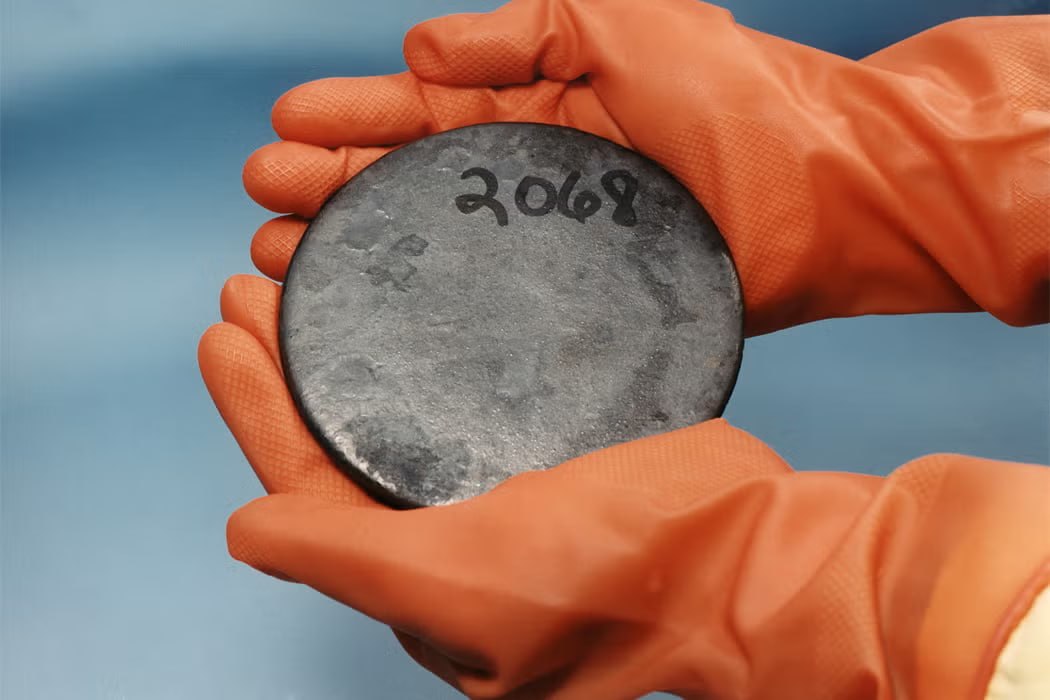
Washington and Tehran are conducting active indirect talks while the military conflict continues. One of the controversial issues is the withdrawal of enriched uranium from Iran.
Alexey Likhachev, head of the Russian Atomic Energy Organization, told Izvestia that the Russian side has not yet received a response on the withdrawal of enriched uranium from Iran. According to him, Russia has conveyed its point of view to the interested parties; however, Tehran is not ready to discuss this issue.
Ali Bagheri-Kani, deputy secretary of Iran’s Supreme National Security Council, emphasized that the main issue on the agenda is ending the conflict with the United States. Despite media reports that the two sides have almost reached an agreement for a 60-day ceasefire and the start of negotiations on the nuclear program, the United States and Iran have continued to exchange attacks, and Tehran has announced that it will not yield to the conditions imposed by Washington.
