
Uranium Dilution: The Enemy’s Diplomatic Plot After the Historic Defeat in the Mahyar Plain
TEHRAN (Defapress) - In its recent report, Reuters acknowledged that despite the intense attacks by the American-Zionist coalition against Iran, new assessments by the US intelligence community show that there has been no change in Iran’s nuclear deterrence. According to these estimates, which have remained more or less constant since last summer, the 40-day attacks by the US and Israel have not been able to determine the fate of Iran’s enriched uranium reserves.
Before the 12-day war, US intelligence agencies had estimated that Iran would be able to produce 90% enriched uranium within three to six months. After the US and Israeli attacks on the Natanz, Fordow, and Isfahan enrichment facilities in the war, this estimate increased to nine months to a year.
After these attacks, which damaged Iran’s nuclear facilities, Iran’s uranium reserves became the most important issue related to nuclear energy. According to the International Atomic Energy Agency, Iran has about 440 kilograms of 60% enriched uranium, which is enough to ensure Iran’s nuclear deterrent.
Reuters has claimed that about half of this enriched uranium is stored in the tunnels of the Isfahan Nuclear Research Center. Former CIA senior analyst Eric Brewer says: Iran still has all its nuclear materials, and these materials are probably located in deep underground sites that current US missiles are unable to penetrate.
US President Donald Trump launched a regional war on Iran on February 28 to collapse Iran. After proving the US’s inability to carry out “regime change”, the war think tank set the minimum goal of destroying or removing 440 kilos of Iran’s enriched uranium on the agenda.
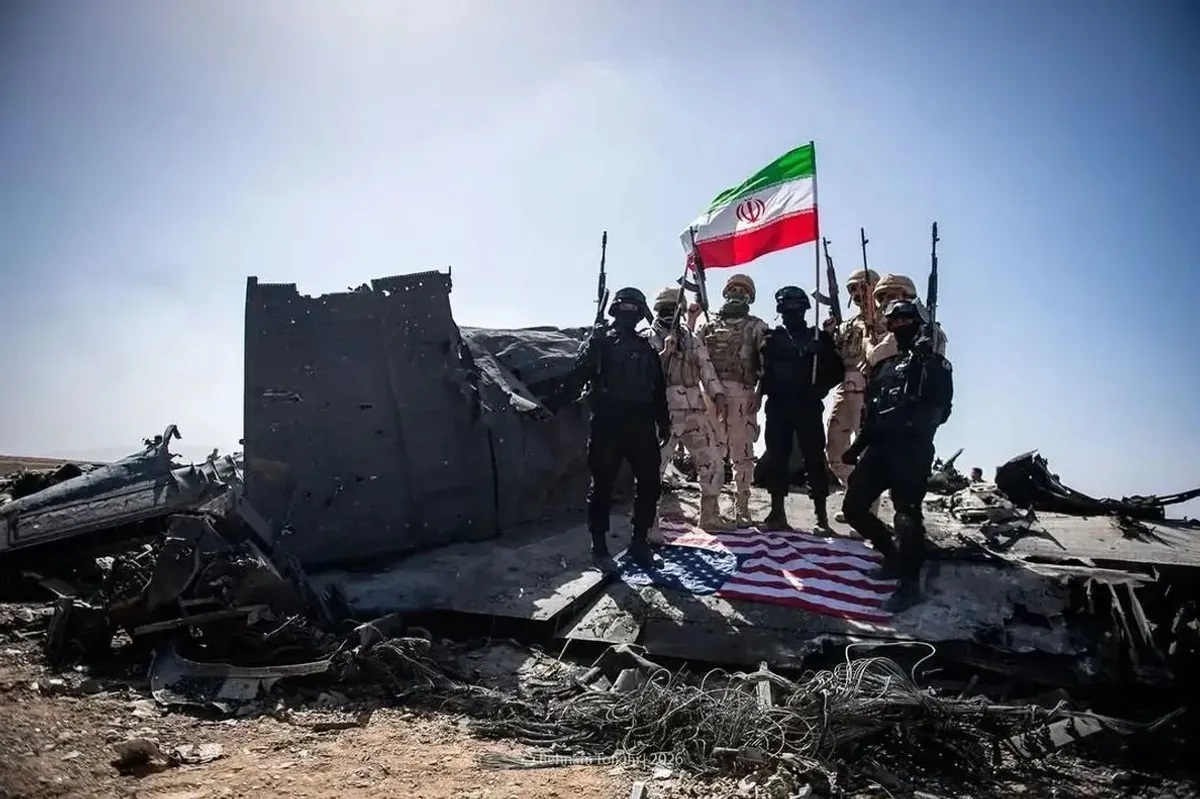
Following the failure of the US and Israeli airstrike campaign to destroy these reserves, the US launched a helicopter landing of its forces in the Mahyar Plain of Isfahan to steal the uranium reserves through a ground operation, but the US military failed in this attempt due to the reaction of the Iranian armed forces and, having suffered heavy losses, left the region.
Following the US failure to obtain uranium reserves in military operations and the declaration of a ceasefire on April 8, the US government is trying to force Iran to hand over its uranium reserves through negotiations, an action that has not yet been successful with the Iranian resistance. However, now the US conspiracy continues in the form of a request for “uranium dilution”, the disastrous result of which is no different from handing over uranium to the enemy.
American officials have so far taken different positions regarding these reserves and have not hidden their thirst for acquiring these reserves. The US President claimed in a speech that the US will acquire Iran’s enriched uranium reserves by any means necessary. Whether this transfer is through negotiations or by resorting to military force. For Trump, leaving this war without determining the fate of this volume of uranium means leaving a “time bomb” in the hands of the enemy that could lead to the revival of nuclear deterrence at any moment.
The positions and efforts of American officials clearly show that preserving the stockpile of enriched uranium and refusing to negotiate its delivery or dilution are of great importance to Iran in any ceasefire or peace negotiations. As long as these nuclear materials are kept inside Iranian territory, Iran has powerful bargaining leverage and maintains its timetable. Any agreement without real guarantees for the survival of these stocks could mean unilateral disarmament and the loss of deterrence. Therefore, safeguarding uranium is naturally a red line for Iran’s national security; something that the other side understands well and uses to exert more pressure.
