
Martyr Imam Khamenei Is a Symbol of Fighting for God, Asceticism, and Defense of the Oppressed
TEHRAN (Defapress) - Elnaz Rahmatnezhad - In today's world, where power equations are ruthlessly determined, there are figures who, beyond geographical borders, capture the hearts of millions of free human beings. Examining the life and practical conduct of the martyred Ayatollah Seyyed Ali Khamenei is a narrative of the indissoluble bond between faith, politics, and ethics, one that has kept the spirit of resistance alive among nations. This powerful Leader was a refuge for the deprived and a voice for the voiceless across the world.
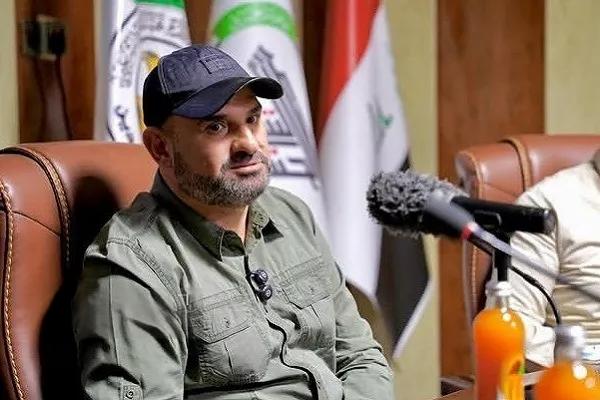
In this regard, the Defapress correspondent has conducted an interview with "Mohammed al-Aqabi," the media director of the Popular Mobilization Forces, the full text of which follows:
Al-Aqabi, in describing the character of the martyred Leader, said: When we think of the personality of Imam Khamenei, the martyr, we do not merely envision a politician; rather, we speak of a complete school of thought shaped by faith, jihad, and self-sacrifice. Perhaps the most prominent feature of this character is the gathering of qualities that are rarely found together in one human being. He was brave and powerful; storms did not shake him, and he remained steadfast in major positions. He faced challenges with unshakable faith and a resolve that brooked no retreat.
He added: At the same time, he was a divinely learned scholar who bore the burden of religion and the nation on his shoulders, combining intellectual depth with spiritual purity and wisdom with insight. He was known for his asceticism and humility; despite his great status, he remained close to the people and led a simple life. He regarded the pains of the poor and the deprived as his own personal pains. He did not work for a particular group, ethnicity, or sect; rather, he carried the concerns of humanity wherever it was, and for this reason, his influence extended beyond the borders of Muslims.
The media director of the Popular Mobilization Forces counted compassion and mercy among the other outstanding traits of the martyred Leader and stated: The martyred Imam was considered a spiritual father to many; he consoled the oppressed, stood by the disadvantaged, and gave hope to nations exhausted by wars and oppression. He lived as a fighter, present in the arenas of intellectual, political, and human confrontation, and remained faithful to his principles until the very last moment of his life. Truly, he was a man who lived as a fighter and departed as a fighter, leaving behind a legacy of resistance and faith that will remain alive in the conscience of millions.
Al-Aqabi continued: The secret of Imam Seyyed Ali Khamenei's ability to influence regional equations and the consciences of nations far beyond his country's borders was that he never lived for himself; rather, he devoted his entire life to serving humanity and defending the oppressed. Figures who leave a trans-border impact are not merely those who hold power, but those who possess ideals and a mission. He was able to transcend geography because, above all, he addressed human nature and became a refuge for the oppressed and a voice for the voiceless.
He said: Throughout the years of his blessed life, his influence extended to tens of millions of people outside his country's borders, people who found in him hope in times of despair, help in times of hardship, and a steadfast stance when many retreated. The most prominent feature of this character was the martyred Imam's human dimension. He believed that human dignity knows no nationality, color, or race, and for this reason, his concerns transcended the borders of his homeland. Perhaps the secret of this great presence lies in the fact that his path was inspired by the path of the Prophet of Islam (PBUH), the path of mercy, justice, and support for the oppressed.
The media director of the Popular Mobilization Forces stated: The support that Imam Seyyed Ali Khamenei provided to the oppressed was not transient or linked to fleeting political circumstances; rather, it was a complete human and ethical project based on restoring confidence to the oppressed human being and empowering him to defend his dignity and future. He did not merely provide material or political support; he gave "hope" and emphasized the reinforcement of a culture of trust in God and self-confidence, so that nations would believe they are capable of shaping their own destiny.
Al-Aqabi added: This support was comprehensive, combining the human, spiritual, intellectual, and social dimensions. He stood by the oppressed in their afflictions, helped them in their issues, and above all provided moral support, because when a human being regains his dignity and will, he becomes able to overcome the most difficult conditions. Whoever reads his path will realize that the compass of his support did not move according to narrow interests, but was based on aiding the oppressed and standing by the needy.
He said: The results of this support were not limited to the political or military aspect; rather, they contributed to reshaping the destiny of nations facing existential dangers. In Lebanon, this support helped consolidate the deterrence equation and gave the nation the ability to resist aggressions. In Iraq, this support came at the most dangerous stages, when terrorism threatened the existence of the state and society, and financial, military, and experiential backing prevented the country's collapse. In Yemen, a besieged nation found someone who stood by it spiritually, politically, and humanely and preserved its will.
The media director of the Popular Mobilization Forces emphasized: What distinguished this support was its fusion with self-sacrifice and generosity. Seyyed Khamenei stood by the nations of the region with all his capabilities and considered defending the oppressed a religious, ethical, and human responsibility. This was not merely a slogan; it manifested throughout his entire path, to the point that he ended his life along with members of his family in the cause of Palestine. The most prominent effect of this support was the protection of the region's nations from projects of domination and division, and the revival of the spirit of resistance and dignity among them.
Al-Aqabi added: The character of the martyred Khamenei was inspirational for some and a subject of controversy for others, because he was a man of position who could not pass without influence or objection. His admirers saw him as a symbol of resistance and a refuge for the oppressed, while his opponents were concerned about his impact on regional equations. This type of leader confuses his enemy because his presence is measured by his impact. Small figures are forgotten, but those who change the direction of history leave behind great love and great enmity.
The media director of the Popular Mobilization Forces emphasized: If I were to summarize the legacy of the martyred Seyyed Ali Khamenei in one image, that image would be of a man who devoted his life to others, lived ascetically, was present in the nation's affairs, and remained steadfast in his positions despite challenges. What most draws attention is the rare combination of firmness and mercy: he was decisive against arrogance and occupation, yet at the same time, he remained close to the pains of the oppressed and made their defense part of his path.
He said: The martyred Imam presented a model of leadership in which leadership was not a position or power, but rather responsibility, sacrifice, and service. For this reason, he remained in the conscience of his admirers as a man of principle and origin, and his name became a symbol of resistance, stability, and self-sacrifice for many. The image that will remain in memories is that of a leader who lived for his cause, sacrificed for the people, and remained steadfast in his principles until the last moments of his life.
It is worth mentioning that, in response to the request of millions of Iraqis to participate in the funeral procession of the purified body of Imam Khamenei, and with the prudent planning and worthy cooperation of the Iraqi government, the purified body of Grand Ayatollah Imam Khamenei will be paraded on Wednesday, July 8, in Najaf, Karbala, Kazimayn, and Baghdad.
