
Dongfeng-41 Missile: China’s Trump Card Against the US
TEHRAN (Defapress) - The Dongfeng-41 (DF-41) missile is a symbol of China’s strategic power in the field of nuclear weapons. This intercontinental ballistic missile, with the ability to carry Multiple Independently-targetable Reentry Vehicles (MIRVs) and a range of more than 12,000 km, is known as the main pillar of China’s nuclear deterrent.
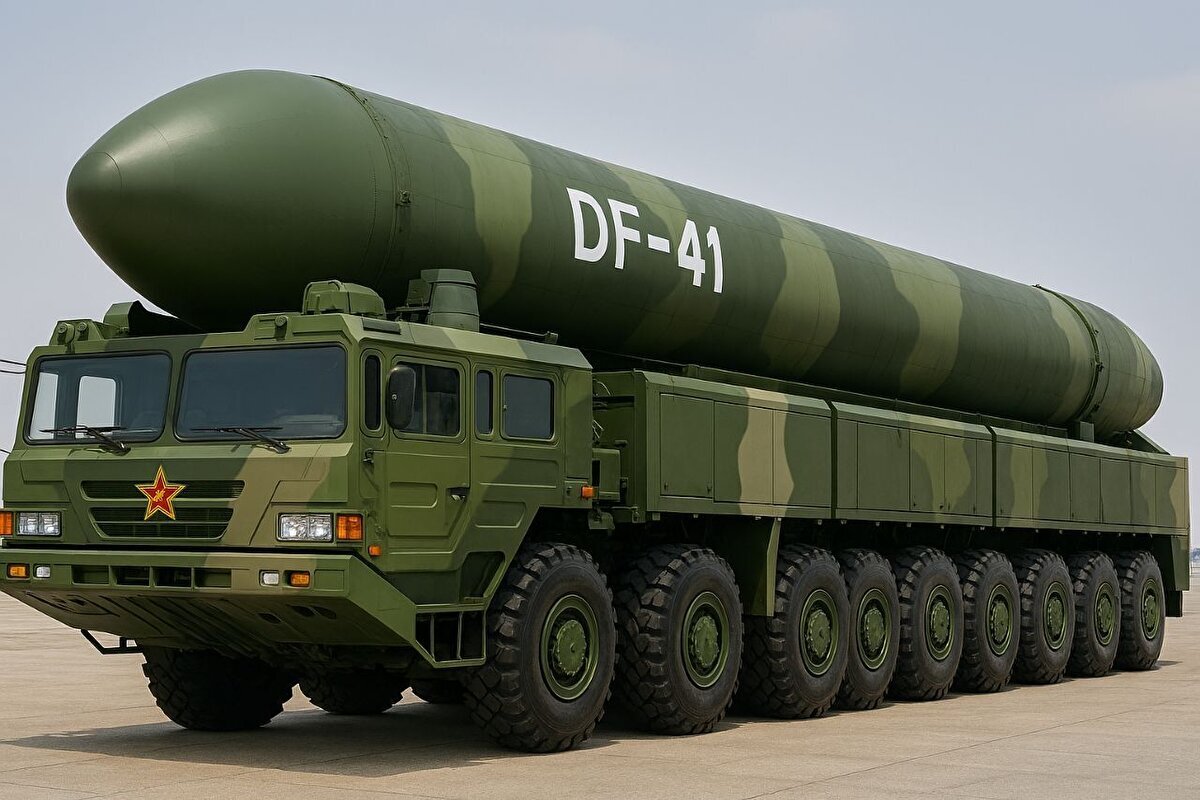
In this report, we examine its development history, technical characteristics, key technologies, position in China’s military doctrine, and geopolitical implications.
The DF-41 project began in 1986 and was intended to replace the older DF-5 missiles. The first flight tests were conducted in the 1990s, but full development did not take place until the 2010s. In 2019, the missile was officially unveiled at the 70th anniversary parade of the founding of the People's Republic of China. The development of the DF-41 was a direct response to the deployment of US missile defense systems, as China needed to maintain its penetration and deterrence capabilities.
Technical and performance characteristics
This missile, with a length of about 22 meters, a diameter of 2.25 meters, a launch weight of nearly 80 tons, a three-stage solid-fueled propulsion system, an operational range of 12,000 to 15,000 kilometers, a maximum speed of about Mach 25 (more than 31,000 kilometers per hour), a probable error of about 100 meters (CEP), and warheads capable of carrying eight to 10 independent nuclear warheads with a power of 150 to 250 kilotons, has special capabilities for a possible confrontation with the United States. These characteristics place the "Dong Feng 41 (DF-41)" in the category of the most powerful ballistic missiles in the world, on par with the Russian "RS-24 Yars" and the American "LGM-30" missiles.
This missile has the ability to carry multiple warheads, each of which can hit a different target. The guidance systems of the Dongfeng missile are a combination of inertial navigation and the BeiDou positioning system. This powerful missile can be launched from fixed silos, mobile road launchers, and even rail systems. The use of decoys and anti-interceptor systems to bypass missile defense shields is one of the extraordinary capabilities of this intercontinental missile.
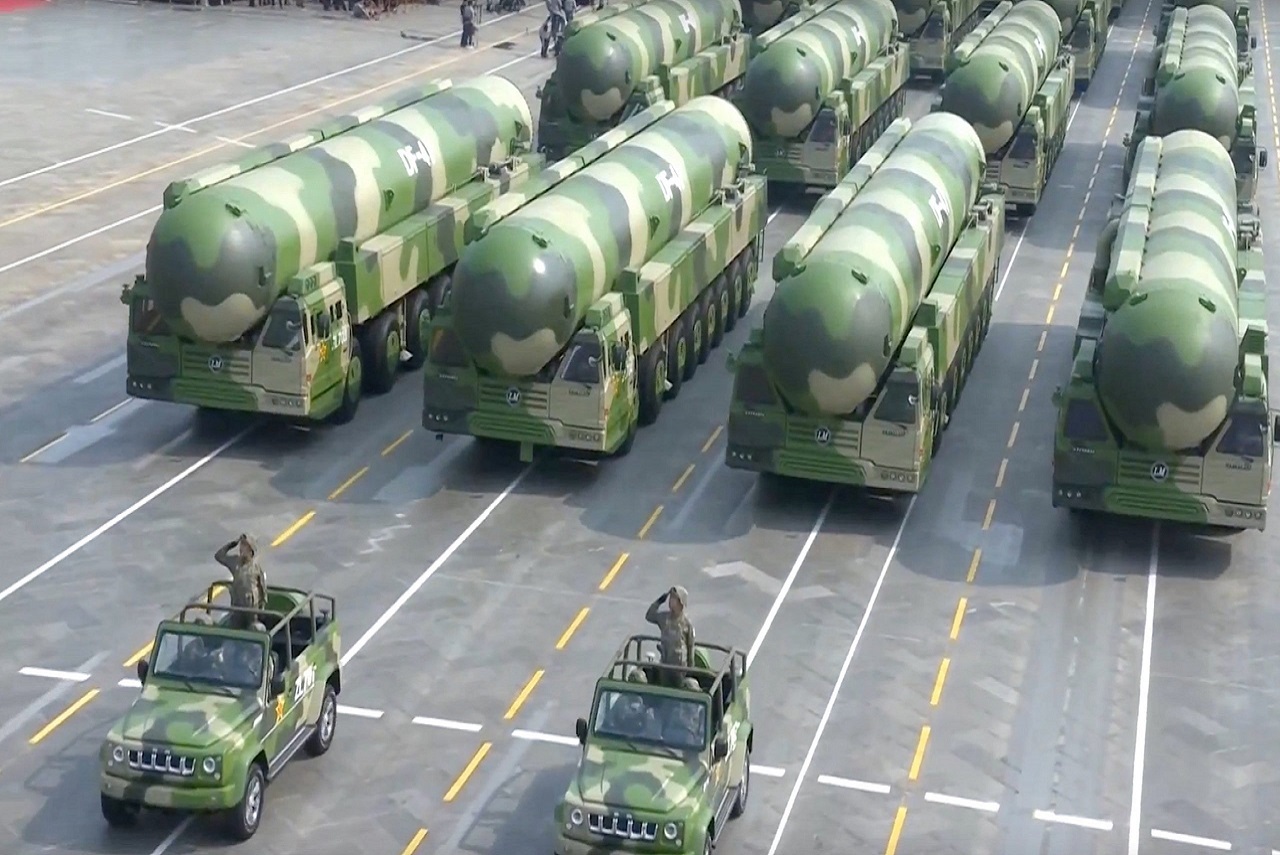
Is this missile capable of countering US military missiles?
The Dongfeng 41 (DF-41) missile is not only a nuclear weapon, but also a political and geopolitical deterrent tool that China has deployed to maintain the balance of power with the US and Russia, ensure the ability to "respond second", and also strengthen its national security against external pressures.
Geopolitical and International Implications
This missile would allow China to respond to any nuclear threat; certainly, the existence of such a missile would increase the United States’ concerns about a long-term conflict and would likely complicate the future of disarmament treaties.
In today’s world, where the balance of global power is heavily influenced by nuclear and missile capabilities, the Dongfeng missile China’s Dongfeng 41 (DF-41) missile has attracted the attention of many military analysts as one of the most advanced intercontinental ballistic missiles; but the key question is whether this missile can stand up to the United States, with all its defense infrastructure and vast arsenal of weapons?
Global range and coverage; Strategic Strength of Dongfeng Missiles
With a range of 12,000 to 15,000 kilometers, the Dongfeng 41 (DF-41) missile is capable of targeting any point on American territory, from New York to Los Angeles, from Alaska to Hawaii. This range enables China to create a direct and effective threat against the United States from deep within its territory, without the need for foreign bases. This feature is considered a vital advantage in the doctrine of nuclear deterrence.
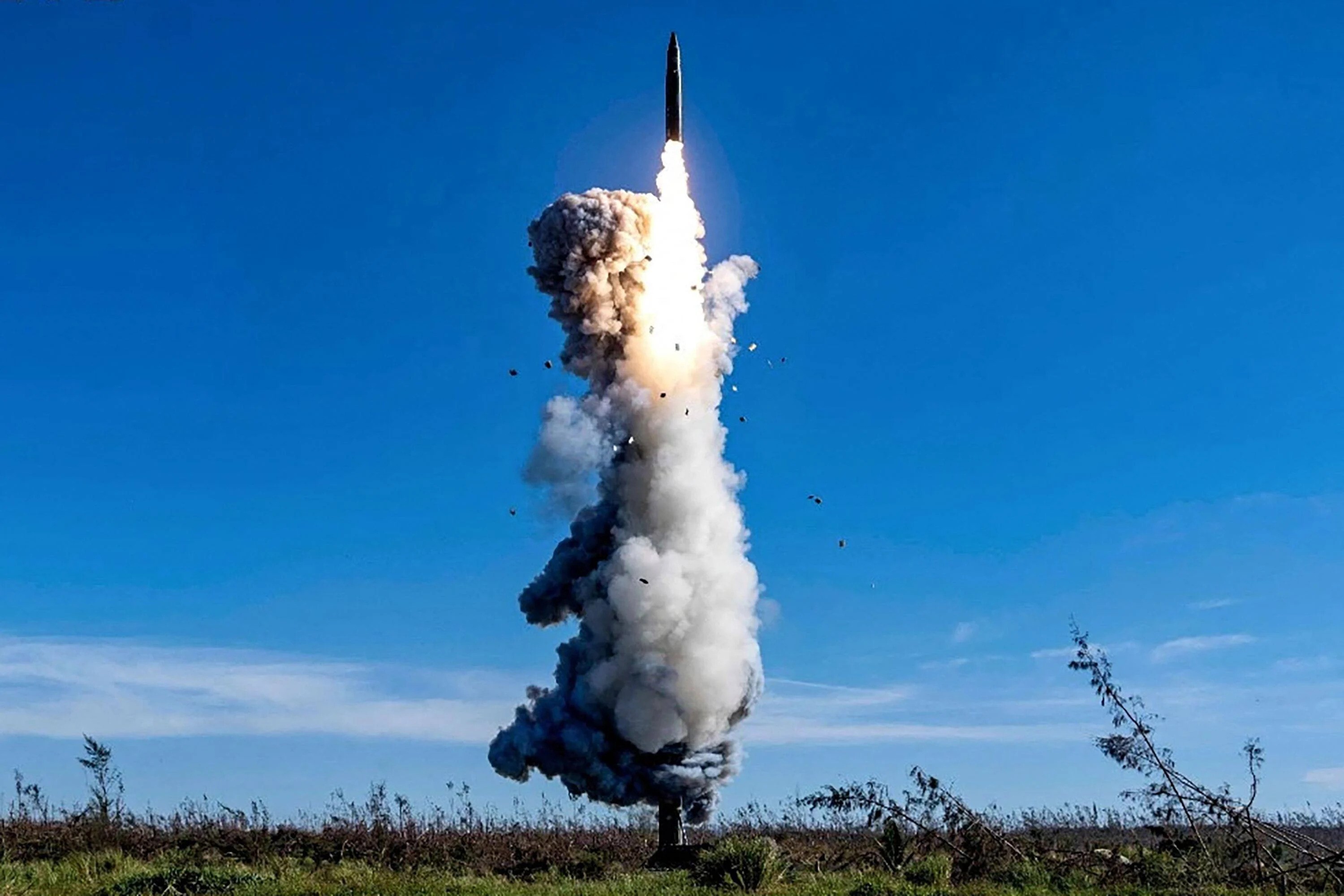
Ability to carry Multiple Independently-targetable Reentry Vehicles (MIRV)
One of the most important features of the DF-41 is the ability to carry eight to 10 independent nuclear warheads; this means that with a single launch, it can hit several targets at different points; this capability not only increases the destructive power, but also poses a serious challenge to American missile defense systems; Also, simultaneously intercepting multiple warheads on different trajectories will require a fast, accurate, and costly response.
High mobility and mobile launchers
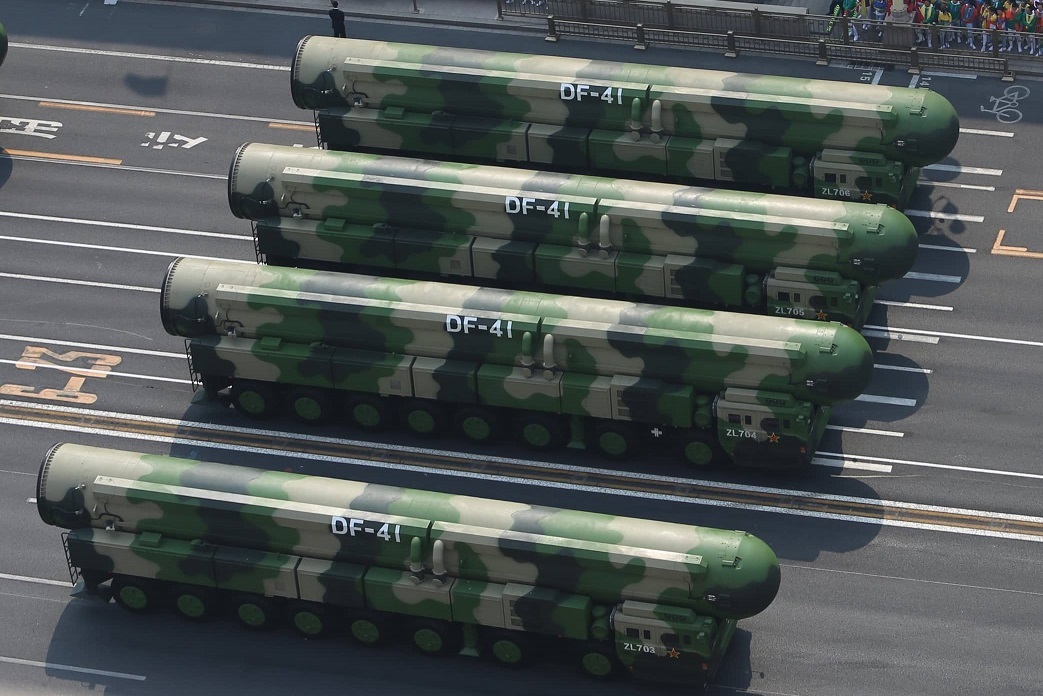
The Dongfeng 41 (DF-41) uses mobile road-based launchers, unlike fixed silo missiles; this mobility makes it difficult for satellites and spy drones to detect and target it. Also, in wartime conditions, this capability can ensure China's survivability and responsiveness, especially in scenarios where a preemptive attack by the enemy is likely.
Penetration of the US missile defense shield
US missile defense systems such as THAAD and GMD are designed to intercept ballistic missiles; however, the DF-41 increases the probability of passing through these shields by using decoys, trajectory maneuvers, and high speed. Especially if multiple missiles with MIRV are launched simultaneously, the probability of penetrating at least some of the warheads will be very high.
China-US confrontation in the field of intercontinental ballistic missiles
While the US has hundreds of Minuteman III missiles and nuclear submarines, China is still developing its arsenal; but the "Dongfeng-41 (DF-41)" as a new generation missile is competitive with American missiles in terms of technology, accuracy, range, and destructive power; although the number of Chinese missiles is smaller, their quality is approaching Western standards. It should be noted that the DF-41 is designed more for deterrence. China traditionally follows the doctrine of a “second response,” meaning the use of nuclear weapons only in the event of a first-strike attack by the enemy; therefore, this missile plays more of a role of counter-threat and survival guarantee than a preemptive strike tool.
What are the geopolitical implications of equipping China with the DF-41?
The deployment of the DF-41 has caused the United States and its allies, especially in Asia, to worry about China’s increasing nuclear capabilities. These concerns may lead to a new arms race; on the other hand, by displaying this missile in military parades, China has sent a clear message to the world that it has the power to respond to US threats.
The DF-41 is undoubtedly one of the main pillars of China’s strategic power. With its long range, ability to carry multiple warheads, mobility, and penetration, this missile could present itself to the United States not as a means of attack but as a symbol of deterrence and guarantee of survival.
